Termites are often referred to as the ‘silent destroyers’ due to their ability to chew through wood, flooring, and even wallpaper undetected. In Sydney, where the climate is conducive to termite activity, homeowners must remain vigilant. Effective termite pest control services are essential for safeguarding your property from these destructive pests. This article delves into the various aspects of termite control, including prevention strategies, treatment options, and the importance of professional services in Sydney.
Understanding Termites: The Threat to Your Home
Termites are social insects that live in colonies, and they primarily feed on cellulose, which is found in wood and plant materials. There are several species of termites, but the most common in Sydney are the Eastern Subterranean Termite and the Drywood Termite. Each species poses unique challenges and requires specific termite control sydney measures.
Types of Termites in Sydney
The Eastern Subterranean Termite is the most destructive species in Australia, known for its extensive tunnelling and nesting habits underground. These termites can cause significant structural damage if left unchecked. On the other hand, Drywood Termites infest dry wood and do not require contact with the soil, making them harder to detect.
Understanding the specific type of termite infesting your property is crucial for effective treatment. Each species has different behaviours and nesting preferences, which influence the control methods employed.
Signs of a Termite Infestation
Recognising the signs of a termite infestation early can save homeowners from extensive damage and costly repairs. Common indicators include:
Wood that sounds hollow when tapped.
Discarded wings near windows or doors.
Frass, or termite droppings, resembling sawdust.
Visible mud tubes along walls or foundations.
If you notice any of these signs, it is imperative to act quickly and seek professional pest control services.
Proven Termite Pest Control Strategies
Effective termite control involves a combination of prevention, detection, and treatment. The following strategies are recommended for homeowners in Sydney to keep termites at bay.
Prevention Techniques
The best way to deal with termites is to prevent them from entering your home in the first place. Here are some effective prevention techniques:
Regular Inspections: Schedule annual inspections with a licensed pest control professional to identify potential risks.
Moisture Control: Termites are attracted to moisture. Ensure proper drainage around your home and fix any leaks promptly.
Wood Treatment: Use treated timber for construction and renovations to deter termite activity.
Installing termite monitoring systems can provide an additional layer of protection. These systems consist of bait stations placed around the perimeter of your home. They help in detecting termite activity early and can be an effective deterrent.
Regular monitoring allows for timely intervention, which is crucial in preventing extensive damage. Many pest control companies in Sydney offer these monitoring services as part of their pest management plans.
Professional Termite Treatment Options
If termites are detected, immediate action is necessary. Professional pest control services in Sydney offer a variety of treatment options tailored to the specific needs of your property.
Chemical Treatments
Chemical treatments are one of the most common methods for termite control. These treatments involve applying insecticides to the soil around your home to create a barrier that prevents termites from entering. There are two main types of chemical treatments:
Liquid Barrier Treatments: These involve the application of a chemical solution to the soil, creating a protective barrier.
Baiting Systems: Bait stations are placed around the property, containing a slow-acting insecticide that termites consume and share with their colony.
Both methods require professional application to ensure effectiveness and safety. It is essential to choose a licensed pest control service that adheres to Australian standards for chemical use.
Non-Chemical Treatments
For those seeking environmentally friendly options, non-chemical treatments are available. These may include:
Heat Treatment: This method involves raising the temperature of the infested area to a level that is lethal to termites.
Electrocution: This technique uses electrical currents to eliminate termites in wooden structures.
Fumigation: For severe infestations, fumigation may be necessary. This involves sealing the home and introducing a gas that penetrates all areas, killing termites.
Non-chemical treatments can be effective but often require more extensive preparation and professional expertise.
The Importance of Professional Pest Control Services
While DIY methods may seem appealing, termite control is best left to professionals. Licensed pest control companies in Sydney have the expertise, tools, and knowledge to effectively manage termite infestations.
Expertise and Experience
Professional pest controllers are trained to identify the signs of termite activity and understand the behaviour of different species. Their experience allows them to develop tailored treatment plans that address the specific needs of your property.
Moreover, they stay updated on the latest pest control techniques and products, ensuring that you receive the most effective solutions available. Click here to learn about what to expect from professional pest control.
Long-Term Solutions
Professional services not only address current infestations but also provide long-term solutions to prevent future issues. Regular inspections and ongoing monitoring can help maintain a termite-free environment.
Additionally, pest control companies often offer warranties and guarantees on their services, providing peace of mind for homeowners.
Conclusion: Protecting Your Home from Termites
Termites pose a significant threat to homes in Sydney, making effective pest control services essential. By understanding the types of termites, recognising the signs of infestation, and implementing preventive measures, homeowners can protect their properties from these destructive pests.
Engaging professional pest control services ensures that you receive expert advice and effective treatment options tailored to your specific situation. With the right approach, you can keep termites out and safeguard your home for years to come.
With the increase in residential break-ins, home security has become a crucial concern for property owners worldwide. Recent crime statistics show that a burglary occurs every 30 seconds in the UK, highlighting the urgent need for strong security measures.
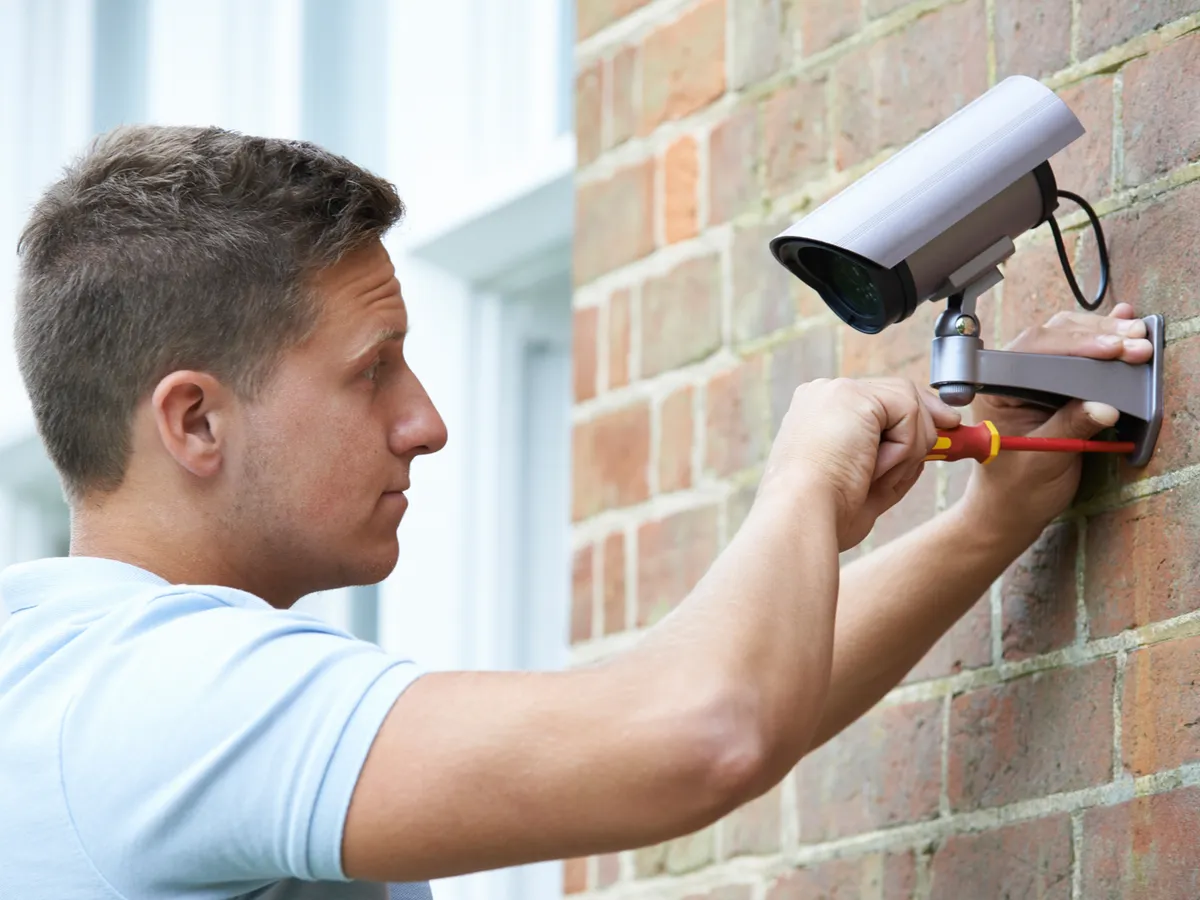
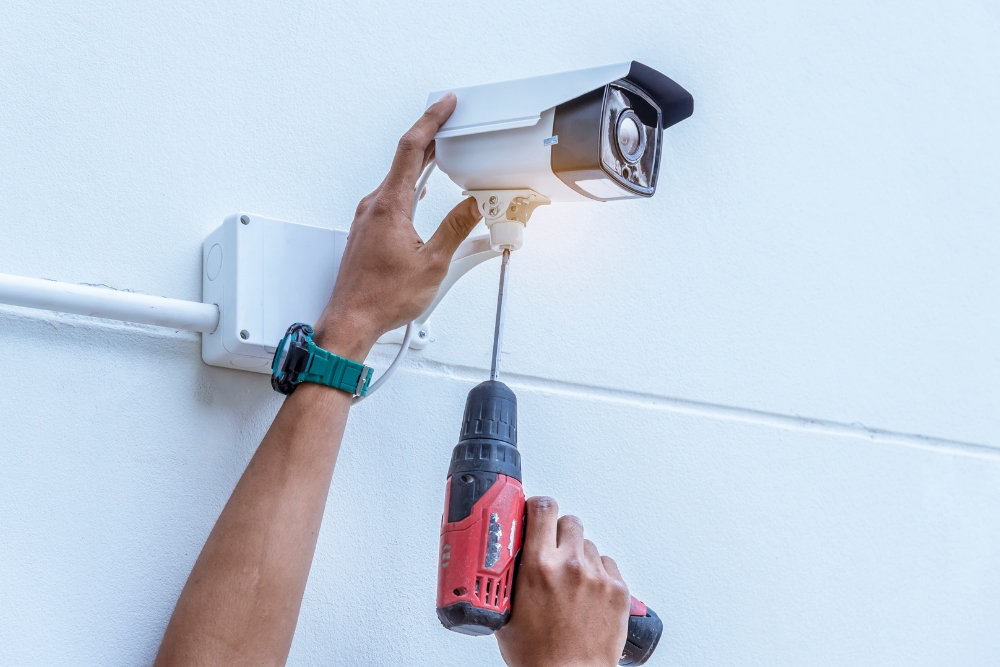
One of the most effective ways to protect homes from unwanted intrusions is by installing security cameras. These electronic devices act as both a visible deterrent and an active security measure, making potential burglars think twice before targeting a property with cameras.
Research supports the effectiveness of security cameras in preventing break-ins:
Properties with visible security cameras experience up to 50% fewer break-in attempts
60% of burglars avoid homes with security systems
Areas with widespread camera coverage report significant drops in property crime rates
In addition to basic surveillance, modern security cameras offer several benefits:
24/7 monitoring capabilities
Real-time alerts to homeowners’ smartphones
High-definition video recording for evidence collection
Integration with other smart home security features
As criminals become more sophisticated, the need for comprehensive home protection becomes even more important. Installing security cameras is a proactive way to protect homes, families, and valuable belongings from the growing threat of break-ins.
Understanding Home Security Systems
Modern integrated security systems serve as comprehensive protection networks, combining multiple components to safeguard properties against unauthorized access and criminal activities. These sophisticated systems operate through interconnected devices that work in harmony to detect, deter, and document potential security threats.
Essential Components of an Integrated Security System:
1. CCTV Surveillance Cameras
High-resolution video capture
Night vision capabilities
Remote viewing access
Motion-activated recording
2. Motion Detection Systems
Infrared sensors
Microwave detection
Dual-technology sensors
Pet-immune options
3. Alarm Systems
Audible sirens
Silent alerts
Mobile notifications
Back-to-base monitoring
4. Access Control Mechanisms
Keypad entry systems
Biometric scanners
Smart card readers
Video intercoms
Smart integration elevates these components through automated responses and centralised control. When motion sensors detect movement, cameras automatically focus on the area, lights activate, and homeowners receive instant smartphone notifications. This synchronised approach creates a robust security shield that adapts to real-time threats.
The integration of artificial intelligence and machine learning enables these systems to distinguish between routine activities and genuine security threats, reducing false alarms while maintaining vigilant protection. Cloud connectivity ensures continuous monitoring and data storage, allowing property owners to access their security feeds from anywhere in the world.
Additionally, the rise of smart home technology has further enhanced the effectiveness of these security systems. With features like remote access, automated alerts, and AI-driven analytics, homeowners can now enjoy a level of control and security that was previously unimaginable. The future of home security lies in this seamless integration of advanced technology into our everyday lives.
How Security Cameras Deter Break-Ins
Home security camera installation are more than just tools for recording; they play a crucial role in preventing break-ins. Studies show that potential burglars actively steer clear of properties with visible security cameras, viewing them as risky targets.
The Impact of Visible Cameras
A detailed investigation by the University of North Carolina uncovered a startling fact: 60% of burglars would immediately skip over a house displaying security cameras. This finding highlights the significance of having visible surveillance systems in place.
The mere sight of cameras creates a psychological barrier for criminals, compelling them to confront the heightened danger of being recognised and apprehended.
Understanding the Deterrent Effect
The deterrent effect of security cameras operates through various psychological processes:
Immediate Recognition: When criminals see visible cameras, they understand that someone is actively monitoring the area and they are being watched.
Evidence Creation: Burglars are aware that security cameras capture footage that can be used as evidence against them.
Risk Assessment: The presence of cameras suggests that there may be additional security measures in place, making the property less appealing to potential intruders.
The Risk Assessment Process
Research on criminal behaviour reveals that burglars carefully evaluate the risks before attempting a break-in. They consider factors such as the likelihood of getting caught, identified, or arrested. Properties with visible security measures indicate:
Higher chance of detection
Increased likelihood of identification
Greater probability of arrest
Risk of facing longer sentences due to video evidence
Creating a Zone of Deterrence
The impact of security cameras goes beyond individual homes. When multiple houses in a neighbourhood install these devices, it creates what is known as a zone of deterrence. This phenomenon discourages criminal activity throughout the entire area.
The Power of Statistics
Recent statistics reveal that homes with visible security cameras experience up to 50% fewer break-in attempts compared to unprotected residences. This significant reduction can be attributed to a fundamental principle: criminals prefer easy targets with minimal risk of being detected.
By understanding how security cameras deter break-ins through psychological mechanisms and risk assessments, homeowners can make informed decisions about their own security measures and contribute to creating safer communities.
Outdoor Versus Indoor Cameras: Which is More Effective?
The strategic placement of security cameras plays a vital role in maximising deterrence effectiveness. Both outdoor and indoor cameras serve distinct yet complementary functions in a comprehensive security system.
Outdoor Cameras:
Act as visible deterrents to potential intruders
Provide wide-angle coverage of property perimeters
Monitor entry points and blind spots
Weather-resistant construction for durability
Indoor Cameras:
Track movement within the property
Guard valuables in specific rooms
Monitor internal entry points
Provide backup coverage if outdoor cameras are compromised
Strategic placement at key entry points amplifies the effectiveness of both camera types. High-traffic areas such as front doors, ground floor windows, and garage entrances benefit from dual coverage through both outdoor and indoor cameras.
Modern high-resolution CCTV systems enhance surveillance capabilities through:
4K video quality for clear identification
Night vision capabilities
Wide-angle lenses for comprehensive coverage
Cloud storage for secure footage backup
Real-time mobile notifications
Two-way audio communication
The most robust security solutions incorporate both outdoor and indoor cameras in a layered approach. This dual-camera strategy creates multiple barriers against potential break-ins whilst providing comprehensive surveillance coverage of the entire property.
Advanced Features Enhancing Camera Deterrence
Modern security cameras come equipped with sophisticated features that transform passive surveillance into active deterrence systems. Motion detection technology serves as the cornerstone of these advanced capabilities, triggering immediate responses when suspicious activity is detected. Click here to learn about a guide to choosing the right monitored security for your property.
Instant activation of connected security protocols
The combination of bright floodlights and security cameras creates a powerful deterrent effect. When motion sensors detect movement, they trigger intense illumination that:
Startles and exposes potential intruders
Enables clear video capture in low-light conditions
Creates a visible security presence
Reduces shadowy areas where criminals might hide
Smart Device Integration
Real-time smartphone notifications put homeowners in control of their security system:
Instant alerts with video clips of detected motion
Live video feed access from anywhere
Two-way audio communication capabilities
Remote activation of sirens and lights
Ability to contact authorities directly through security apps
These interconnected features create a robust security ecosystem that actively deters break-ins through immediate response protocols and visible deterrence measures. The integration of motion detection with automated responses significantly reduces the window of opportunity for potential intruders while maintaining constant vigilance.
Moreover, advancements in night vision technology have further enhanced the effectiveness of these surveillance systems, allowing for clear visibility even in complete darkness.
Comprehensive Security Through System Integration
Modern security systems achieve maximum effectiveness through seamless integration of multiple protective layers. A well-designed system connects surveillance cameras with smart access controls and alarm mechanisms, creating an impenetrable security shield.
Layered Protection Components:
Digital door locks with remote access capabilities
Motion-activated cameras linked to alarm systems
Smart lighting systems responding to detected movement
Mobile-controlled access management
Real-time security notifications
Back-to-base monitoring adds a critical layer of protection by connecting the home security system to professional monitoring centres. When threats are detected, trained security personnel assess the situation and dispatch emergency services within minutes.
Smart home integration elevates security effectiveness through automated responses:
Doors automatically lock when security systems are armed
Lights activate in response to suspicious activity
Cameras begin recording when motion sensors are triggered
Access logs track entry attempts and system interactions
The interconnected nature of these systems creates multiple barriers against potential intruders. When one component detects a threat, the entire system responds in coordination. A triggered motion sensor can activate cameras, illuminate the area, sound alarms, and alert both homeowners and monitoring centres simultaneously.
This integrated approach transforms individual security components into a comprehensive protection network, significantly reducing vulnerability to break-ins while providing enhanced control and monitoring capabilities.
Additional Measures Complementing Camera Installation
Security cameras work best when paired with robust physical security measures. High-quality deadbolts and reinforced door frames create formidable barriers at entry points, while window locks and security screens add crucial layers of protection.
The power of community vigilance amplifies camera effectiveness through neighbourhood watch programmes. Active participation creates a network of watchful eyes, with residents:
Reporting suspicious activities
Sharing security camera footage when needed
Coordinating holiday house checks
Maintaining communication through dedicated social media groups
Occupancy simulation stands as a vital deterrent when properties are vacant. Smart home automation enables:
Scheduled TV or radio sounds during peak break-in hours
Automated curtain movements
Timed garden sprinkler activation
These measures create an illusion of occupancy that complements security camera systems. Strategic placement of motion-activated lights around entry points adds another layer of deterrence, flooding potential intruders with bright illumination while triggering camera recordings.
The combination of sturdy physical barriers, community surveillance, and convincing occupancy simulation transforms a camera-equipped property into a highly secure environment that actively discourages criminal attempts.
Benefits Beyond Deterrence: Evidence Collection and Remote Management
Security cameras are powerful tools for investigating incidents after they occur and for monitoring in real-time. High-quality footage captured during break-in attempts provides law enforcement with crucial evidence for identifying and apprehending perpetrators. The recorded video can reveal:
Entry and exit points used
Physical descriptions of intruders
Vehicles involved
Timeline of events
Items taken or damaged
Secure Storage of Evidence
Modern security systems use cloud storage technology to protect recorded footage. This secure digital preservation method ensures evidence remains intact and accessible even if cameras are damaged or stolen during a break-in. Law enforcement can receive immediate access to relevant clips through secure sharing features.
Transforming Property Monitoring
The integration of smartphone connectivity changes how homeowners keep an eye on their properties. Through dedicated mobile apps, users can:
View live camera feeds from any location
Receive instant motion detection alerts
Save and share important footage
Communicate with visitors through two-way audio
Adjust camera settings remotely
These remote management capabilities prove invaluable for:
Checking on pets during work hours
Monitoring deliveries
Verifying children’s safe arrival home
Keeping watch during holidays
Responding to security alerts in real-time
The combination of evidence collection and remote access creates a comprehensive security solution that extends well beyond simple deterrence.
Addressing Privacy and Security Concerns
The integration of surveillance technology into homes raises legitimate privacy considerations that require careful attention. Modern security cameras can capture sensitive information about daily routines, personal interactions, and private moments within residential spaces.
Key Privacy Challenges:
Unauthorised access to camera feeds
Data breaches exposing stored footage
Potential misuse of surveillance information
Impact on household members’ privacy
Modern security systems incorporate robust privacy safeguards to address these concerns. Advanced encryption protocols protect video feeds and stored data from unauthorised access. Multi-factor authentication adds an extra layer of security, requiring verified credentials for system access.
Built-in Privacy Features:
Customisable privacy zones
Scheduled recording times
Encrypted data transmission
Secure cloud storage solutions
User access management controls
To maintain optimal security while protecting privacy, implementing specific measures proves essential:
Regular password updates
Network security assessment
Firmware updates installation
Access log monitoring
Camera placement optimisation
The placement of cameras requires strategic consideration to balance security needs with privacy protection. Positioning cameras to avoid capturing neighbours’ properties or private areas within the home helps maintain appropriate boundaries while ensuring effective surveillance of critical entry points.
In professional AV settings, the importance of security cannot be overstated. This principle also extends to the use of surveillance technology in healthcare environments, where protecting patient privacy with secure video and voice conferencing is paramount.
Cost Effectiveness and Insurance Benefits
Installing a comprehensive home security camera system represents a strategic financial investment that pays dividends in multiple ways. The initial setup costs are offset by significant long-term savings:
Protection Against Financial Losses
Average burglary losses amount to £3,000-£5,000 per incident
Security cameras help prevent theft of valuable items and irreplaceable personal belongings
Documented reduction in break-in attempts saves potential repair costs from property damage
Insurance Premium Benefits
Many UK insurance providers offer up to 20% discount on home insurance premiums
Additional discounts available when combining cameras with:
Smart door locks
Motion sensors
Professional monitoring services
Enhanced claim support through video evidence
Cost-Saving Features
Modern systems include:
Energy-efficient LED indicators
Motion-activated recording to save storage space
Cloud storage options eliminating need for local hardware
Remote monitoring reducing need for security personnel
The return on investment becomes apparent when comparing the one-time installation cost against potential theft losses and reduced insurance premiums. A basic camera system starting at £500 can lead to insurance savings of £100-£200 annually, while protecting assets worth thousands of pounds.
Conclusion
The evidence shows that security camera installations are highly effective in preventing break-ins and burglaries. A complete home security system with strategically positioned cameras provides multiple layers of protection, making properties much less appealing to potential intruders.
Modern security technology offers:
Real-time monitoring capabilities
High-definition video evidence collection
Smart device integration
Remote access convenience
Insurance premium benefits
The combination of visible deterrence, advanced features, and integrated monitoring turns homes into fortified sanctuaries. Professional security camera installation is a valuable investment in protecting families, properties, and valuables.
Taking action to protect homes with security camera systems brings both immediate and long-term advantages. The peace of mind that comes from knowing a property is secured 24/7 is priceless. By choosing to install comprehensive security measures today, we can create a safer and more secure living environment for many years ahead.
Monitored security systems are like watchful guardians for properties, providing constant protection through integrated electronic services. These advanced systems can detect intruders, monitor activities, and respond to security concerns in real-time, making them a strong defence against potential threats.
What Does a Monitored Security System Include?
A comprehensive monitored security system includes several important parts:
Surveillance Cameras (CCTV) – High-resolution video monitoring with cloud connectivity
Motion Detectors – Advanced sensors for movement detection
Access Control Systems – Secure entry management through keypads, cards, or biometric scanners
Alarm Systems – Immediate threat detection with automated response protocols
24/7 Monitoring Centre – Professional surveillance and emergency response coordination
What Are the Benefits of Monitored Security Systems?
The integration of monitored security systems into properties brings significant advantages for both residential and commercial settings:
Enhanced protection against break-ins and vandalism
Real-time alerts and emergency response capabilities
Remote monitoring through mobile applications
Valuable evidence collection for security incidents
Potential reduction in insurance premiums
Peace of mind for property owners and occupants
How Do Modern Monitored Security Systems Work?
Modern monitored security systems adapt to specific property needs, whether it’s securing a family home or safeguarding a large commercial facility. These systems work well with smart home technologies, creating an intelligent security network that can adjust to changing safety requirements while still being easy to use.
Assessing Security Needs for Your Property
A thorough security needs assessment forms the foundation of an effective monitored security system. The evaluation process requires careful consideration of multiple factors specific to each property.
Property Layout Analysis
Building dimensions and floor plans
Entry and exit points
Blind spots and concealed areas
Landscape features affecting visibility
Adjacent properties and shared spaces
Critical Asset Identification
High-value equipment and inventory
Sensitive data storage areas
Cash handling locations
Restricted access zones
Utility infrastructure points
Risk Assessment Checklist
Historical crime rates in the area
Past security incidents on the property
Peak activity hours and usage patterns
Staff or resident occupancy levels
Environmental hazards
It’s essential to conduct a comprehensive risk assessment, which can be facilitated by following guidelines such as those outlined in this NIST special publication. This document provides valuable insights into assessing various risks associated with your property.
Regulatory Requirements
Industry-specific security standards
Local building codes
Insurance policy mandates
Data protection regulations, including those outlined in data protection impact assessment templates, which are crucial for properties handling sensitive information.
Emergency response protocols
The assessment should account for both internal and external threats. A retail property might prioritise surveillance of customer areas and stockrooms, while a residential complex may focus on perimeter security and access control systems.
A professional security audit can reveal vulnerabilities that might be overlooked during casual observation. These assessments often uncover critical weak points such as inadequate lighting, unsecured maintenance access, or outdated locking mechanisms that require immediate attention.
Understanding Components of Monitored Security Systems
A monitored security system consists of multiple integrated components working together to create a comprehensive security solution.
Surveillance Cameras (CCTV)
High-Resolution Cameras: 4K resolution cameras with night vision capabilities for crystal-clear footage
PTZ Cameras: Pan-tilt-zoom functionality for dynamic monitoring of large areas
Dome Cameras: Discreet surveillance suitable for indoor spaces
Bullet Cameras: Weather-resistant options for outdoor perimeter monitoring
Strobe Lights: Visual warning signals during security breaches
Mobile Notifications: Real-time alerts sent directly to connected devices
Back-to-Base Monitoring: Direct connection to security response centres
Each component can be customised based on specific security requirements and integrated into a unified system for seamless operation and management.
Types of Monitored Security Systems
Modern security solutions range from basic standalone systems to sophisticated integrated platforms. Understanding these options helps property owners make informed decisions based on their specific needs.
Standalone Security Systems
Standalone systems serve as fundamental property protection tools:
1. Basic Alarm Systems
Motion sensors and door contacts
Local sirens for intruder deterrence
Mobile notifications through dedicated apps
Battery backup capabilities
2. Video Doorbells
HD video and two-way audio communication
Motion-activated recording
Night vision capabilities
Cloud storage for footage
Integrated Smart Security Solutions
Smart home security systems deliver comprehensive protection through seamless component integration:
1. Core Features
Central hub controlling multiple devices
Remote management via smartphone apps
Automated routines and schedules
Real-time alerts and notifications
2. Advanced Capabilities
Voice control through virtual assistants
Environmental monitoring (smoke, carbon monoxide)
Smart lighting integration
Automated door locks
Temperature and humidity sensors
Energy management features
These integrated systems adapt to varying security needs while offering scalability for future expansions. The interconnected nature of smart security solutions enables property owners to monitor and control their security setup from anywhere, creating a robust defence against potential threats.
Monitoring Options: Self-Monitored vs. Professional Monitoring Services
Self-monitored security systems connect directly to mobile devices through dedicated apps, putting control directly in the property owner’s hands. These systems send real-time alerts and live video feeds when triggered, allowing users to assess situations and decide appropriate actions.
Self-Monitoring Characteristics:
Direct smartphone notifications
Live video streaming capabilities
No monthly monitoring fees
Personal responsibility for emergency response
Requires constant internet connectivity
Limited to user availability and response
Professional monitoring services maintain constant vigilance, with typical response times under 30 seconds for alarm verification and emergency dispatch. Click here to learn about how home security camera installation can deter break-ins.
Professional Monitoring Benefits:
24/7 dedicated monitoring centre staffing
Trained security professionals handling alerts
Direct communication with emergency services
Backup monitoring during power/internet outages
Verified response protocols
Regular system health checks
Response time marks a critical difference between these options. Self-monitored systems rely on the user’s ability to check notifications and react promptly.
Reliability factors also differ significantly. Self-monitoring depends on stable internet connections and user attention, which can be compromised during travel or busy periods.
The choice between these options often balances cost considerations against desired security levels. Self-monitoring eliminates monthly fees but demands more personal involvement, while professional monitoring provides comprehensive protection with the assurance of expert intervention.
Installation Considerations for Monitored Security Systems
The method of installation chosen for a security system affects how well it works and how dependable it is. Both DIY and professional installations have their own advantages and challenges.
Benefits of DIY Installation:
Cost-effective solution without labour fees
Flexible installation timeline
Direct system familiarity
Simple wireless systems suitable for DIY
Challenges of DIY Installation:
Risk of incorrect component placement
Limited technical support
Potential warranty implications
Time-consuming learning curve
Advantages of Professional Installation:
Expert system configuration
Optimal component positioning
Full warranty coverage
Technical support availability
Proper wire concealment
Drawbacks of Professional Installation:
Higher upfront costs
Scheduling dependencies
Limited control over installation process
The complexity of the security system plays a crucial role in the installation decision. Basic wireless systems with minimal components suit DIY enthusiasts, while integrated systems with multiple sensors, cameras, and access points benefit from professional expertise. Properties with specific wiring requirements or architectural challenges require professional assessment to ensure proper system functionality and aesthetic integration.
Scalability, Budgeting, Brand Reputation & Service Provider Selection for Monitored Security Systems
System Scalability
Modular security system designs enable property owners to expand protection as needs evolve. Key scalability features include:
Open architecture platforms supporting third-party device integration
Expandable control panels with additional zone capacity
Cloud storage options with flexible data retention periods
API compatibility for future smart home integrations
Cost Analysis & Budgeting
A comprehensive security investment encompasses several cost elements:
Initial Expenses
Equipment costs: £500-£3000+
Installation fees: £200-£800
System programming: £100-£300
Recurring Costs
Monthly monitoring: £20-£50
Cloud storage: £5-£25
Maintenance: £100-£300 annually
Battery replacements: £20-£50 per device
Potential Savings
Insurance premium reductions: 5-20%
Tax deductions for business installations
Reduced security staff requirements
Prevention of theft-related losses
It’s noteworthy that the integration of advanced security systems could lead to substantial insurance premium reductions, further enhancing cost-effectiveness.
Evaluating Brands & Providers
Brand Assessment Criteria
Market presence duration
Product warranty terms
Technical support availability
Software update frequency
Third-party certifications
Service Provider Selection A reliable security provider should demonstrate:
Valid security licenses
Professional certifications
Comprehensive insurance coverage
Documented emergency response protocols
Transparent service level agreements
Due Diligence Steps
Review customer testimonials
Check industry ratings
Verify business registration
Examine complaint history
Request reference contacts
The selection of scalable systems from reputable providers creates a foundation for long-term security success. Professional monitoring services enhance system effectiveness through rapid incident response and regular maintenance support.
Conclusion
Selecting the right monitored security system is a critical investment in protecting your property. Professional security consultants bring invaluable expertise to this decision-making process through:
Understanding of new security technologies
Ability to assess risks thoroughly
Knowledge of industry compliance requirements
Experience in matching solutions to specific property needs
A tailored security approach, developed with expert guidance, ensures comprehensive protection while avoiding costly oversights or unnecessary features. These specialists can identify potential weaknesses that property owners might overlook and recommend appropriate countermeasures.
The process of choosing the right monitored security system requires careful consideration of multiple factors – from technical specifications to long-term maintenance requirements. Working with qualified security professionals helps navigate these complexities, resulting in a strong security solution that brings peace of mind and reliable protection for years to come.
In the bustling real estate market of Sydney, the role of a property lawyer is crucial for both buyers and sellers. Property transactions can be complex, involving a myriad of legal documents, regulations, and negotiations. Understanding the specific functions of a property lawyer can help individuals navigate these challenges effectively. This article delves into the various responsibilities of property lawyers in Sydney, shedding light on their essential contributions to real estate transactions.
Understanding the Role of a Property Lawyer
A property lawyer Sydney, also known as a conveyancer, is a legal professional who specialises in property law. Their primary responsibility is to facilitate the buying and selling of real estate, ensuring that all legal requirements are met throughout the process. This role encompasses a wide range of tasks, from conducting due diligence to preparing and reviewing contracts.
Conducting Due Diligence
One of the first steps a property lawyer takes is conducting thorough due diligence on the property in question. This involves investigating the legal status of the property, including any existing encumbrances, zoning restrictions, or potential disputes. By scrutinising these elements, a property lawyer can identify any issues that may affect the transaction.
For instance, if a property has unresolved boundary disputes or outstanding council approvals, a property lawyer will inform their client about these risks. This information is vital for buyers, as it can significantly impact their decision-making process and financial investment. Additionally, property lawyers often liaise with local authorities and other relevant agencies to gather necessary information, ensuring that their clients are fully informed about the property’s history and any obligations that may arise post-purchase. This proactive approach not only safeguards the buyer’s interests but also streamlines the transaction process, reducing the likelihood of complications down the line.
Preparing and Reviewing Contracts
Once due diligence is complete, the property lawyer moves on to preparing and reviewing contracts. This is a critical phase in the property transaction process. A well-drafted contract protects the interests of both parties and outlines the terms of the sale, including the purchase price, settlement dates, and any special conditions.
Property lawyers ensure that all contractual obligations are clear and enforceable. They also advise clients on any legal implications of the contract terms, helping them avoid potential pitfalls. For example, if there are specific conditions that must be met before the sale can proceed, the lawyer will ensure these are adequately documented. Furthermore, they may negotiate terms on behalf of their clients, striving to achieve the most favourable conditions possible. This can involve amending clauses related to deposit amounts, completion timelines, or even contingencies that protect the buyer’s interests in the event of unforeseen circumstances, such as issues arising during a property survey or financing delays.
Navigating Legal Regulations
The real estate sector in Australia is heavily regulated, with various laws governing property transactions. A property lawyer plays a vital role in ensuring compliance with these regulations. This includes understanding local laws, state legislation, and federal requirements that may impact property transactions.
Understanding Local Laws
Each state in Australia has its own set of property laws. In New South Wales, where Sydney is located, property lawyers must be well-versed in the Conveyancing Act 1919 and the Real Property Act 1900, among other legislation. These laws dictate how property transactions should be conducted, including the rights and responsibilities of buyers and sellers.
A property lawyer’s knowledge of local laws is essential for ensuring that all aspects of the transaction comply with legal requirements. This not only protects clients but also helps to prevent future disputes or complications that may arise from non-compliance. Furthermore, understanding local zoning laws and land use regulations is crucial, as these can significantly affect property values and the potential for future development. For instance, a property lawyer must be aware of any restrictions on land use that could limit a buyer’s intended use of the property, such as heritage listings or environmental protections.
Handling Disputes
In the event of a dispute during the property transaction process, a property lawyer is equipped to handle negotiations and resolve conflicts. Disputes may arise over contract terms, property conditions, or even financial disagreements. A skilled property lawyer will work diligently to mediate these issues, aiming for a resolution that satisfies all parties involved.
If negotiations fail, the lawyer may need to represent their client in court. This requires a deep understanding of property law and the ability to advocate effectively on behalf of their client’s interests. The goal is always to achieve the best possible outcome, whether through negotiation or litigation. In addition, property lawyers often have access to alternative dispute resolution methods, such as mediation or arbitration, which can provide a more cost-effective and timely resolution compared to traditional court proceedings. These methods not only save time and resources but also help maintain relationships between the parties involved, which can be particularly important in the close-knit communities often found in the real estate market.
Assisting with Settlement Processes
Once all legal aspects of the property transaction have been addressed, the focus shifts to the settlement process. This is the final step in the buying or selling of property, and it involves the transfer of ownership from the seller to the buyer. Learn more about Injury Compensation Lawyers Canberra: what they can do for you.
Preparing for Settlement
A property lawyer plays a crucial role in preparing for settlement. This includes ensuring that all necessary documents are in order and that any financial obligations, such as deposits or fees, are settled. The lawyer will also liaise with financial institutions to confirm the availability of funds for the transaction.
Additionally, the lawyer will conduct a final inspection of the property to ensure it is in the agreed-upon condition before settlement occurs. This step is vital, as it protects the buyer from any unexpected issues that may arise at the last minute.
Completing the Settlement
On the day of settlement, the property lawyer coordinates the final exchange of documents and funds. They ensure that the transfer of ownership is legally recognised and that all parties fulfil their contractual obligations. This process can be intricate, involving multiple stakeholders, including real estate agents, banks, and government agencies.
Once settlement is complete, the property lawyer will typically register the new ownership with the Land and Property Information (LPI) office, ensuring that the buyer’s name is officially recorded as the new owner of the property. This step is crucial for establishing legal ownership and protecting the buyer’s rights.
The Importance of Legal Advice
Engaging a property lawyer in Sydney is not just about navigating the complexities of a property transaction; it is also about receiving sound legal advice. Property lawyers are trained to identify potential risks and provide guidance on how to mitigate them.
Advising on Investment Risks
For those looking to invest in property, a property lawyer can offer invaluable insights into market trends and potential risks associated with specific properties. They can advise clients on whether a property is a sound investment based on its legal standing and market conditions.
Furthermore, a property lawyer can help clients understand the implications of different types of property ownership, such as freehold versus leasehold, and the associated risks. This knowledge is essential for making informed decisions that align with the client’s financial goals.
Providing Ongoing Support
The relationship between a property lawyer and their client often extends beyond a single transaction. Many clients return to their property lawyer for ongoing support, whether for future transactions, property disputes, or general legal advice related to property ownership.
This ongoing support can be particularly beneficial for investors or individuals who frequently engage in property transactions. Having a trusted legal advisor can streamline future dealings and provide peace of mind, knowing that legal matters are being handled by a professional.
Conclusion
In summary, the role of a property lawyer in Sydney is multifaceted and essential for anyone involved in property transactions. From conducting due diligence and preparing contracts to navigating legal regulations and assisting with settlements, property lawyers provide critical support throughout the entire process.
Engaging a property lawyer not only ensures compliance with legal requirements but also provides clients with the confidence that their interests are being protected. Whether buying, selling, or investing in property, the expertise of a property lawyer can make a significant difference in achieving a successful outcome.
As the Sydney real estate market continues to evolve, the importance of having a knowledgeable property lawyer by one’s side remains paramount. Their expertise can help navigate the complexities of property law, ultimately leading to informed decisions and successful transactions.
In the unfortunate event of an injury, navigating the legal landscape can be daunting. Injury compensation lawyers in Canberra play a crucial role in helping individuals secure the compensation they deserve. Understanding the various aspects of their services can empower victims to make informed decisions about their claims.
Understanding Injury Compensation
Injury compensation refers to the financial remuneration awarded to individuals who have suffered harm due to the negligence or wrongful actions of another party. This compensation can cover a range of expenses, including medical bills, lost wages, and pain and suffering.
The Importance of Legal Representation
Engaging an injury compensation lawyer Canberra is vital for several reasons. Firstly, these professionals possess a deep understanding of the legal system and the complexities involved in personal injury claims. They can navigate the intricacies of the law, ensuring that all necessary documentation is correctly filed and deadlines are met.
Moreover, injury compensation lawyers have the expertise to assess the true value of a claim. This includes not only immediate medical expenses but also long-term implications such as rehabilitation costs and potential loss of future earnings. Their insights can significantly enhance the chances of securing a fair settlement.
Furthermore, having a skilled lawyer by your side can alleviate the emotional burden that often accompanies personal injury cases. The process of seeking compensation can be daunting, especially when dealing with insurance companies that may attempt to minimise payouts. A dedicated lawyer acts as an advocate for the injured party, allowing them to focus on recovery while ensuring that their rights are protected throughout the legal proceedings.
Types of Personal Injury Claims
Injury compensation lawyers in Canberra handle a variety of personal injury claims. Common types include motor vehicle accidents, workplace injuries, medical negligence, and slips and falls. Each category presents unique challenges and requires tailored legal strategies to effectively pursue compensation.
For instance, in the case of motor vehicle accidents, establishing liability is crucial. A lawyer will gather evidence, such as police reports and witness statements, to build a strong case. On the other hand, workplace injuries may involve navigating employer liability and workers’ compensation laws. In addition, medical negligence claims often require expert testimony to demonstrate that the standard of care was not met by healthcare professionals, which can be a complex and lengthy process. Each type of claim necessitates a thorough understanding of specific legal precedents and regulations, highlighting the importance of specialised legal expertise in achieving a successful outcome.
The Role of Injury Compensation Lawyers
The role of injury compensation lawyers extends beyond mere representation in court. They serve as advocates for their clients, ensuring that their rights are protected throughout the legal process. This advocacy can significantly alleviate the stress associated with pursuing a claim.
Initial Consultation and Case Assessment
Most injury compensation lawyers offer an initial consultation, often free of charge. During this meeting, the lawyer will assess the details of the case, including the nature of the injury, circumstances surrounding the incident, and any evidence available. This assessment is crucial in determining the viability of the claim and the potential compensation amount.
Furthermore, this initial consultation provides an opportunity for clients to ask questions and understand the legal process better. It sets the foundation for a trusting relationship between the lawyer and the client, which is essential for effective representation.
Gathering Evidence and Building a Case
Once retained, the lawyer will begin gathering evidence to support the claim. This may involve collecting medical records, accident reports, and witness testimonies. The strength of a personal injury claim often hinges on the quality and quantity of evidence presented.
In addition to collecting evidence, lawyers will also liaise with medical professionals to obtain expert opinions on the injury and its long-term effects. This comprehensive approach ensures that all aspects of the case are covered, enhancing the likelihood of a successful outcome.
Navigating the Legal Process
The legal process for personal injury claims can be lengthy and complex. Injury compensation lawyers are equipped to navigate this process efficiently, ensuring that clients are informed at every stage. From filing the initial claim to negotiating settlements, their guidance is invaluable.
Negotiating Settlements
Many personal injury claims are resolved through negotiation rather than going to trial. Lawyers play a pivotal role in this process, utilising their negotiation skills to secure the best possible settlement for their clients. They understand the tactics that insurance companies may employ and are prepared to counter them effectively.
During negotiations, lawyers will present the evidence gathered to support the claim, articulating the client’s needs and the impact of the injury on their life. This advocacy is crucial in persuading the opposing party to reach a fair settlement. Learn more about what does a Property Lawyer Sydney actually do?.
Litigation and Court Representation
In cases where a settlement cannot be reached, injury compensation lawyers are prepared to take the matter to court. They will represent the client throughout the litigation process, presenting the case before a judge and jury. This includes preparing legal documents, filing motions, and conducting examinations.
Court representation requires a thorough understanding of legal procedures and the ability to think on one’s feet. Lawyers are trained to handle the pressures of the courtroom, ensuring that their clients receive a robust defence of their rights.
Choosing the Right Injury Compensation Lawyer
Finding the right injury compensation lawyer is a critical step in the claims process. With numerous options available, it is essential to consider several factors to ensure the best fit for individual needs.
Experience and Specialisation
When selecting a lawyer, it is important to consider their experience and specialisation in personal injury law. A lawyer with a proven track record in handling similar cases will have the necessary skills and knowledge to navigate the complexities of the claim.
Moreover, specialisation in a particular area, such as medical negligence or workplace injuries, can be beneficial. These lawyers will be familiar with the nuances of the relevant laws and regulations, providing clients with a significant advantage.
Client Reviews and Testimonials
Client reviews and testimonials can provide valuable insights into a lawyer’s reputation and effectiveness. Prospective clients should take the time to research feedback from previous clients, as this can highlight the lawyer’s communication style, success rate, and overall client satisfaction.
Additionally, personal recommendations from friends or family can also be invaluable. Word-of-mouth referrals often lead to finding trustworthy legal representation.
The Importance of Timely Action
In personal injury cases, time is of the essence. Each claim is subject to a statute of limitations, which sets a deadline for filing a claim. In Australia, this period can vary depending on the nature of the injury and the jurisdiction. Therefore, seeking legal advice promptly is crucial to ensure that rights are protected.
Understanding Statutes of Limitations
The statute of limitations for personal injury claims in the Australian Capital Territory is typically three years from the date of the injury. However, there are exceptions, particularly in cases involving minors or those who were unaware of their injury at the time it occurred.
Failure to file a claim within the specified time frame can result in losing the right to seek compensation. Therefore, consulting with an injury compensation lawyer as soon as possible after an incident is essential to avoid missing critical deadlines.
Gathering Evidence Promptly
In addition to adhering to legal deadlines, gathering evidence promptly is vital for the success of a claim. Over time, evidence can deteriorate or become more difficult to obtain. Witnesses may forget details or become unavailable, and physical evidence may be lost or damaged.
By acting quickly, clients can ensure that their lawyers have access to the best possible evidence to support their case. This proactive approach can significantly influence the outcome of a claim.
Conclusion
Injury compensation lawyers in Canberra provide essential services for individuals seeking justice and compensation for their injuries. From initial consultations to court representation, these professionals guide clients through the complexities of the legal process, ensuring their rights are protected.
Understanding the role of these lawyers, the types of claims they handle, and the importance of timely action can empower individuals to make informed decisions. With the right legal representation, victims of negligence can secure the compensation they deserve, allowing them to focus on recovery and rebuilding their lives.
In a world where accidents can happen at any moment, having a knowledgeable and experienced injury compensation lawyer by one’s side can make all the difference in navigating the path to justice.
Property buyers agents play a crucial role in the real estate market, particularly for first-time buyers navigating the complexities of purchasing a home. These professionals act on behalf of the buyer, providing expert advice and support throughout the entire buying process. Their primary goal is to ensure that clients make informed decisions and secure the best possible property for their needs.
In the Eastern Suburbs of Australia, where the property market can be highly competitive, the expertise of a Eastern Suburbs property buyers agent can be invaluable. They possess in-depth knowledge of local market trends, property values, and neighbourhood dynamics, enabling them to offer tailored guidance to their clients.
Benefits of Engaging a Buyers Agent
One of the most significant advantages of hiring a buyers agent is the time and effort saved during the property search. First-time buyers often find the process overwhelming, with numerous properties to consider and a plethora of information to sift through. A buyers agent streamlines this process by identifying suitable properties that meet the buyer’s criteria, thus saving valuable time.
Additionally, buyers agents have access to off-market listings, which may not be available to the general public. This can provide first-time buyers with unique opportunities to secure a property before it becomes widely known, potentially avoiding bidding wars and inflated prices.
Expert Negotiation Skills
Negotiating the purchase price is one of the most critical aspects of buying property. Buyers agents are skilled negotiators who understand the nuances of the market and can advocate effectively on behalf of their clients. They are adept at assessing a property’s true value and can help first-time buyers avoid overpaying.
Furthermore, a buyers agent can manage the negotiation process, ensuring that the buyer’s interests are prioritised. This can alleviate the stress and anxiety often associated with negotiations, allowing first-time buyers to focus on other aspects of their purchase.
Navigating the Eastern Suburbs Property Market
The Eastern Suburbs of Sydney are renowned for their stunning beaches, vibrant culture, and proximity to the city. However, this popularity has led to a competitive property market, making it essential for first-time buyers to be well-prepared. Understanding the local market dynamics is crucial for making informed decisions.
Property prices in the Eastern Suburbs can vary significantly depending on the suburb, property type, and current market conditions. Buyers agents are equipped with the latest market data and insights, enabling them to provide clients with accurate information regarding property values and trends.
Identifying the Right Suburb
Choosing the right suburb is a critical decision for first-time buyers. Factors such as proximity to public transport, schools, amenities, and lifestyle preferences all play a role in determining the ideal location. Buyers agents can assist in evaluating different suburbs based on these criteria, helping clients find a neighbourhood that aligns with their lifestyle and budget.
Moreover, buyers agents can provide insights into future developments and infrastructure projects that may impact property values. This foresight can be invaluable for first-time buyers looking to make a sound investment.
Understanding Property Types
The Eastern Suburbs offer a diverse range of property types, from apartments and townhouses to freestanding homes. Each option comes with its own set of advantages and disadvantages, making it essential for buyers to understand what best suits their needs.
Buyers agents can provide detailed information about the different property types, including their potential for capital growth, maintenance considerations, and suitability for various lifestyles. This guidance can help first-time buyers make informed choices that align with their long-term goals.
The Buying Process: Step by Step
The process of buying a property can be complex, particularly for first-time buyers. Engaging a buyers agent can simplify this journey by providing step-by-step guidance. From initial research to final settlement, a buyers agent will be there to support their clients at every stage.
Initially, buyers agents will conduct a thorough assessment of the buyer’s needs and financial situation. This includes determining a budget, understanding financing options, and identifying preferred property features. Once these factors are established, the search for suitable properties begins.
Conducting Property Inspections
Once potential properties have been identified, buyers agents will arrange inspections to assess the condition and suitability of each property. This is a vital step, as it allows buyers to evaluate the property firsthand and consider any necessary repairs or renovations.
During inspections, buyers agents will provide valuable insights, highlighting both the strengths and weaknesses of each property. This objective perspective can help first-time buyers make more informed decisions, ensuring they choose a property that meets their needs and expectations.
Due Diligence and Research
Before making an offer, conducting thorough due diligence is essential. This includes researching the property’s history, checking for any potential issues, and understanding local regulations. Buyers agents are well-versed in these processes and can guide their clients through the necessary checks, ensuring that all bases are covered. Click here to learn about how Buyers Agency Eastern Suburbs helps you find hidden gems in the market.
Additionally, buyers agents can assist in obtaining building and pest inspections, which are crucial for identifying any hidden problems that may affect the property’s value or livability. This level of diligence can save first-time buyers from costly surprises down the line.
Financing Your Property Purchase
Understanding financing options is a critical aspect of the property buying process. First-time buyers often face challenges when it comes to securing a mortgage, and buyers agents can provide valuable assistance in this area.
Buyers agents can recommend reputable mortgage brokers who can help clients navigate the lending landscape. They can also provide insights into government grants and schemes available for first-time buyers, such as the First Home Owner Grant and the First Home Loan Deposit Scheme.
Preparing for the Offer
Once a suitable property has been identified, the next step is preparing an offer. Buyers agents will assist in determining a fair and competitive offer price based on market analysis and the property’s condition. This ensures that first-time buyers are well-positioned to secure the property without overextending their budget.
In addition to the offer price, buyers agents can advise on other terms and conditions that may be included in the offer, such as settlement dates and inclusions. This comprehensive approach helps to present a strong offer that aligns with the buyer’s goals.
Managing the Settlement Process
The settlement process can be daunting for first-time buyers, but buyers agents are equipped to manage this stage effectively. They will liaise with solicitors, conveyancers, and other parties involved to ensure a smooth transaction.
Throughout the settlement period, buyers agents will keep their clients informed, providing updates and addressing any concerns that may arise. This level of support is invaluable for first-time buyers, who may feel overwhelmed by the complexities of the process.
Post-Purchase Support
The role of a buyers agent does not end once the property purchase is complete. Many agents offer post-purchase support, providing clients with guidance on property management, renovations, and future investment opportunities.
For first-time buyers, this ongoing support can be instrumental in ensuring a successful transition into homeownership. Buyers agents can provide recommendations for reliable tradespeople, help with budgeting for renovations, and offer insights into the local rental market if the buyer is considering investment options.
Building a Long-Term Relationship
Establishing a relationship with a buyers agent can be beneficial for first-time buyers looking to invest in property in the future. As clients become more familiar with the market and their own property preferences, they can rely on their buyers agent for ongoing advice and support.
This long-term relationship can lead to better investment opportunities, as buyers agents can keep clients informed about market trends and emerging suburbs. By fostering this connection, first-time buyers can continue to build their property portfolio with confidence.
Conclusion
For first-time buyers in the Eastern Suburbs, engaging a property buyers agent can significantly enhance the home-buying experience. With their expertise, market knowledge, and negotiation skills, buyers agents provide invaluable support throughout the entire process.
From identifying suitable properties to navigating the complexities of financing and settlement, a buyers agent acts as a trusted advisor, ensuring that first-time buyers make informed decisions. By leveraging their services, buyers can approach the property market with confidence, ultimately securing a home that meets their needs and aligns with their long-term goals.
In a competitive market like the Eastern Suburbs, the guidance of a buyers agent can make all the difference, transforming the daunting task of purchasing a property into a rewarding and successful journey.
The property market in Australia, particularly in the Eastern Suburbs of Sydney, is renowned for its vibrancy and competitiveness. With a plethora of options available, potential buyers often find themselves overwhelmed. This is where a buyers agency can make a significant difference, especially when it comes to uncovering hidden gems in the market. This article explores the role of a buyers agency in the Eastern Suburbs and how they assist clients in navigating this complex landscape.
The Role of a Buyers Agency
A buyers agency serves as a professional intermediary between property buyers and sellers. Their primary objective is to represent the interests of the buyer throughout the purchasing process. This can include everything from identifying suitable properties to negotiating prices and ensuring a smooth transaction.
Expertise in the Local Market
One of the key advantages of engaging a buyers agency Eastern Suburbs is their deep understanding of the local market. These agencies employ experts who are well-versed in the nuances of different neighbourhoods, property types, and market trends. They can provide invaluable insights into which areas are on the rise and which properties may offer better long-term value.
Moreover, buyers agencies often have access to off-market listings, which are properties not publicly advertised. This can be a game-changer for buyers looking for unique opportunities that are not available to the general public. By leveraging their connections and market knowledge, buyers agencies can help clients discover these hidden gems that might otherwise go unnoticed.
Tailored Property Searches
Every buyer has unique preferences and requirements when it comes to purchasing property. A buyers agency takes the time to understand these individual needs and tailors their property search accordingly. Whether it’s a family home, an investment property, or a luxury apartment, a buyers agency will curate a list of properties that meet the client’s criteria.
This personalised approach not only saves buyers time but also ensures that they are considering properties that align with their goals. Instead of sifting through countless listings, clients receive a focused selection of properties that are genuinely worth their attention.
Negotiation and Purchase Strategy
Negotiating the purchase of a property can be one of the most daunting aspects of the buying process. A buyers agency brings a wealth of experience to the table, allowing them to negotiate effectively on behalf of their clients. Their familiarity with the local market dynamics enables them to craft compelling offers that stand out to sellers.
Understanding Market Value
Determining the right price for a property requires a nuanced understanding of market value. Buyers agencies conduct thorough market analyses to assess the fair value of properties. This involves comparing similar properties, analysing recent sales data, and considering the unique features of the property in question.
With this information, buyers agencies can advise their clients on the best offer to make. This not only helps in securing the property at a fair price but also instils confidence in the buyer, knowing they are making an informed decision.
Managing the Purchase Process
The process of purchasing a property involves numerous steps, including inspections, financing, and legal considerations. A buyers agency manages these aspects on behalf of their clients, ensuring that everything proceeds smoothly. They coordinate with solicitors, inspectors, and lenders, allowing buyers to focus on the excitement of finding their new home.
Additionally, a buyers agency can help identify potential issues during inspections, providing clients with a comprehensive understanding of the property’s condition. This proactive approach can save buyers from unexpected costs and complications down the line.
Investment Opportunities in the Eastern Suburbs
The Eastern Suburbs is not only a desirable place to live but also a prime location for investment. With its proximity to the city, beautiful beaches, and vibrant community, the area attracts both local and international investors. A buyers agency can help clients identify lucrative investment opportunities that align with their financial goals.
Identifying Growth Areas
One of the key roles of a buyers agency is to identify areas with strong growth potential. This involves analysing various factors such as infrastructure development, demographic trends, and economic indicators. By understanding these elements, buyers agencies can pinpoint suburbs that are likely to experience significant appreciation in property values.
For instance, emerging suburbs with new transport links or upcoming developments may present excellent investment opportunities. Buyers agencies keep a pulse on these trends, ensuring their clients are well-positioned to capitalise on future growth.
Rental Yield Analysis
For those looking to invest in rental properties, understanding rental yields is crucial. A buyers agency can provide detailed analyses of rental markets in the Eastern Suburbs, helping clients make informed decisions about potential investments. This includes assessing average rental prices, vacancy rates, and tenant demand. Click here to learn about Eastern Suburbs Property Buyers Agents: expert guidance for first-time buyers.
By providing this information, buyers agencies empower clients to select properties that not only meet their lifestyle needs but also offer strong rental returns. This dual focus on personal satisfaction and financial viability is essential for successful property investment.
Streamlined Buying Process
Engaging a buyers agency can significantly streamline the property buying process. From initial consultations to finalising the purchase, these agencies provide a structured approach that minimises stress and maximises efficiency.
Comprehensive Research and Due Diligence
Before making an offer, a buyers agency conducts comprehensive research on the property and its surrounding area. This includes checking zoning laws, future development plans, and any potential issues that could affect the property’s value. Such due diligence is vital in ensuring that clients are making sound investments.
Furthermore, buyers agencies can provide insights into the local community, including schools, amenities, and transport options. This holistic view helps clients make informed decisions that align with their lifestyle and investment goals.
Post-Purchase Support
The role of a buyers agency doesn’t end once the property is purchased. Many agencies offer post-purchase support, assisting clients with property management, renovations, or even future investment strategies. This ongoing relationship can be invaluable, particularly for first-time buyers navigating the complexities of home ownership.
By providing continued support, buyers agencies help clients maximise their investment and ensure they are satisfied with their property purchase long after the deal is done.
The Benefits of Using a Buyers Agency
Engaging a buyers agency in the Eastern Suburbs offers numerous benefits that extend beyond simply finding a property. From expert negotiation to comprehensive market analysis, these agencies play a crucial role in the buying process.
Saving Time and Reducing Stress
One of the most significant advantages of using a buyers agency is the time saved throughout the buying process. Instead of spending countless hours researching properties and attending open houses, clients can rely on their agency to do the legwork. This not only reduces stress but allows buyers to focus on other important aspects of their lives.
Additionally, the expertise of a buyers agency can help avoid common pitfalls that many buyers face. Their guidance can prevent costly mistakes, ensuring a smoother and more enjoyable buying experience.
Access to Exclusive Listings
As mentioned earlier, buyers agencies often have access to off-market listings that are not available to the general public. This exclusivity can provide clients with unique opportunities to purchase properties that may not be on the radar of other buyers. This competitive edge can be particularly advantageous in a hot market like the Eastern Suburbs.
Furthermore, having access to a wider range of properties increases the chances of finding that perfect hidden gem, whether it’s a charming cottage or a modern apartment with stunning views.
Conclusion
In the competitive landscape of the Eastern Suburbs property market, a buyers agency serves as an invaluable ally for prospective buyers. Their expertise, tailored approach, and comprehensive support can help clients discover hidden gems that may otherwise remain elusive. By leveraging the knowledge and resources of a buyers agency, individuals can navigate the complexities of property purchasing with confidence and ease.
Whether seeking a family home or a lucrative investment opportunity, engaging a buyers agency can make all the difference in achieving property goals. The Eastern Suburbs is a vibrant area with much to offer, and with the right support, buyers can find their ideal property in this sought-after market.
In the complex world of construction, the role of a construction surveyor is often overlooked. However, these professionals are integral to the success of any building project. From the initial planning stages to the final touches, construction surveyors provide critical insights and services that ensure projects are completed on time, within budget, and to the required standards. This article delves into the various ways construction surveyors contribute to successful builds across Australia.
The Role of Construction Surveyors
Construction surveyors, also known as land surveyors, are responsible for measuring and mapping land and structures. Their expertise is vital in various stages of a construction project, ensuring that everything is aligned with legal and safety standards. They utilise advanced technology and methodologies to gather precise data, which is essential for informed decision-making.
Pre-Construction Surveys
Before any construction begins, surveyors conduct comprehensive pre-construction surveys. These surveys assess the land’s topography, boundaries, and existing structures. By identifying potential issues early on, such as land instability or zoning restrictions, surveyors help developers avoid costly mistakes later in the project.
Additionally, pre-construction surveys provide crucial information for designing the project. Understanding the land’s characteristics allows architects and engineers to create plans that are not only feasible but also optimally utilise the available space. This collaboration between surveyors and designers is vital for the overall success of the build. Moreover, surveyors often liaise with local authorities to ensure compliance with planning regulations, which can vary significantly across different regions. Their knowledge of local laws and environmental considerations can greatly influence the project’s direction, ensuring that it adheres to all necessary guidelines and mitigates any potential legal challenges.
Setting Out
Once the design phase is complete, the next step is the setting out process. This is where the construction surveyor marks the exact locations of structures, utilities, and other essential elements on the site. Accurate setting out is critical; even a minor error can lead to significant issues during construction, such as misaligned foundations or incorrect utility placements.
Surveyors employ various tools, including total stations and GPS technology, to ensure precision during the setting out process. Their expertise helps to maintain the integrity of the project, ensuring that all elements are built according to the approved plans. Furthermore, the setting out phase is not just about marking points; it also involves continuous monitoring and adjustments throughout the construction process. As the build progresses, surveyors frequently return to the site to verify that the work aligns with the original specifications, making real-time corrections as necessary. This ongoing oversight is crucial in preventing deviations that could compromise the project’s structural integrity or lead to costly rework, ultimately safeguarding the investment made by developers and stakeholders alike.
Compliance and Regulations
In Australia, the construction industry is heavily regulated, with numerous laws and standards that must be adhered to. Construction surveyors play a key role in ensuring compliance with these regulations, which helps to protect public safety and the environment.
Understanding Local Legislation
Each state and territory in Australia has its own set of building codes and regulations. Construction surveyors are well-versed in these local laws, which allows them to guide developers through the complex landscape of compliance. They ensure that all necessary permits are obtained and that the project adheres to zoning laws, environmental regulations, and safety standards.
This knowledge not only helps to mitigate legal risks but also enhances the reputation of the construction firm. A project that is completed in compliance with regulations is less likely to face legal challenges or public scrutiny.
Quality Assurance
Construction surveyors also contribute to quality assurance throughout the build. They conduct regular inspections to ensure that the work being carried out meets the required standards and specifications. This ongoing oversight helps to identify any issues early, allowing for timely corrections and reducing the likelihood of costly rework.
By maintaining high standards of quality, construction surveyors help to ensure that the final product is safe, durable, and fit for purpose. This commitment to quality not only benefits the project stakeholders but also enhances the overall reputation of the construction industry.
Cost Management
One of the most significant challenges in construction is managing costs. Construction surveyors play a pivotal role in this aspect by providing accurate measurements and data that inform budgeting and financial planning.
Accurate Measurements
Accurate measurements are fundamental to effective cost management. Construction surveyors use advanced technology to gather precise data on land and structures, which helps to create reliable cost estimates. This information is essential for project managers when allocating budgets and resources.
Moreover, by identifying potential issues early in the process, surveyors can help prevent budget overruns caused by unforeseen complications. Their expertise in land assessment and project planning allows for a more accurate financial forecast, which is crucial for the success of any construction project.
Value Engineering
Value engineering is another area where construction surveyors can make a significant impact. This process involves evaluating the project’s design and construction methods to identify opportunities for cost savings without compromising quality. Surveyors can provide insights into alternative materials, construction techniques, and design modifications that can reduce costs while maintaining the project’s integrity.
By collaborating with architects and engineers during the value engineering phase, construction surveyors help to optimise the project’s budget, ensuring that resources are used efficiently and effectively.
Risk Management
Construction projects are inherently risky, with numerous factors that can lead to delays, budget overruns, and safety hazards. Construction surveyors play a crucial role in risk management by identifying potential risks and implementing strategies to mitigate them.
Identifying Potential Risks
Through their detailed surveys and assessments, construction surveyors can identify potential risks associated with the site and the project. This includes factors such as unstable soil conditions, environmental hazards, and compliance issues. By addressing these risks early in the planning process, surveyors help to minimise the likelihood of complications during construction.
Furthermore, their expertise in local regulations ensures that the project complies with all legal requirements, reducing the risk of fines or legal disputes. This proactive approach to risk management is essential for the successful completion of any construction project.
Safety Protocols
Safety is a paramount concern in the construction industry. Construction surveyors contribute to safety protocols by ensuring that all aspects of the project adhere to safety standards. They conduct regular inspections and assessments to identify potential hazards and recommend corrective actions.
By fostering a culture of safety on the construction site, surveyors help to protect workers and the public, thereby reducing the risk of accidents and injuries. This commitment to safety not only benefits the workforce but also enhances the overall reputation of the construction firm.
Technological Advancements in Surveying
The field of construction surveying has evolved significantly with the advent of new technologies. Modern surveyors now utilise advanced tools and software that enhance accuracy and efficiency in their work.
Use of Drones
Drones have become an invaluable tool in construction surveying. They allow surveyors to capture high-resolution aerial images and data of construction sites, providing a comprehensive view of the area. This technology enables surveyors to conduct surveys more quickly and accurately than traditional methods.
Additionally, drones can access hard-to-reach areas, making them particularly useful for large or complex sites. The data collected can be used for various purposes, including topographical mapping, site inspections, and progress monitoring.
3D Modelling and BIM
Building Information Modelling (BIM) is another technological advancement that has transformed the construction industry. Surveyors can create detailed 3D models of the project, which provide a visual representation of the design and construction process. This allows for better collaboration among stakeholders and helps to identify potential issues before construction begins.
By integrating survey data into BIM, construction surveyors can ensure that the project is accurately represented, leading to improved planning and execution. This technology not only enhances efficiency but also contributes to better decision-making throughout the project lifecycle.
Conclusion
Construction surveyors are essential to the success of building projects in Australia. Their expertise in land assessment, compliance, cost management, risk mitigation, and technological advancements ensures that projects are completed efficiently, safely, and to the highest standards. As the construction industry continues to evolve, the role of construction surveyors will remain vital in navigating the complexities of modern builds.
Investing in skilled construction surveyors is not just a matter of compliance; it is a strategic decision that can lead to significant cost savings, enhanced safety, and improved project outcomes. For developers and construction firms looking to achieve success in their projects, the value of construction surveyors cannot be overstated.
In the realm of property ownership, clarity regarding boundaries is paramount. Boundary surveys, conducted by skilled cadastral surveyors, play a crucial role in defining and protecting property lines. These surveys not only establish the limits of a property but also help prevent disputes between neighbours and ensure compliance with local regulations. This article delves into the intricacies of boundary surveys, their importance, and how cadastral surveyors safeguard property rights.
The Role of Cadastral Surveyors
Cadastral surveyors are professionals trained in the art and science of measuring land and establishing property boundaries. Their expertise is essential in a variety of contexts, from residential land development to large-scale commercial projects. These surveyors utilise advanced technology and methodologies to provide accurate and reliable measurements that are legally recognised.
Understanding Cadastral Surveys
A cadastral survey specifically focuses on the boundaries of land parcels. It involves detailed measurements, mapping, and documentation to create a legal description of the property. This process is vital for several reasons:
Legal Protection: A cadastral survey provides the legal foundation for property ownership, ensuring that the boundaries are clearly defined and recognised by law.
Dispute Resolution: In cases of boundary disputes, a cadastral survey can serve as a decisive reference point, helping to resolve conflicts between neighbours.
Development Planning: For new developments, understanding the exact boundaries is crucial for compliance with zoning laws and regulations.
Technological Advancements in Surveying
The field of surveying has evolved significantly with the advent of modern technology. Cadastral surveyors now employ tools such as GPS, drones, and sophisticated software to enhance accuracy and efficiency. These advancements allow for:
Higher Precision: GPS technology provides precise location data, reducing the margin for error in boundary definitions.
Faster Surveys: Drones can cover large areas quickly, enabling surveyors to gather data that would take much longer using traditional methods.
Comprehensive Mapping: Advanced software allows for the creation of detailed maps that visually represent property boundaries and features.
Moreover, the integration of Geographic Information Systems (GIS) has transformed the way cadastral surveyors analyse and interpret land data. GIS technology enables surveyors to layer various information, such as topography, land use, and environmental features, onto a single map. This holistic view not only aids in better decision-making for land development but also assists in urban planning and environmental conservation efforts. The ability to visualise complex data sets in an accessible format has made it easier for stakeholders, including government agencies and private developers, to understand the implications of land use and ownership.
In addition to these technological advancements, the role of cadastral surveyors is increasingly influenced by the need for sustainability. As urban areas expand and the demand for land increases, surveyors are tasked with ensuring that land use is efficient and environmentally responsible. This involves not only accurate boundary delineation but also consideration of ecological impacts, which can lead to more sustainable development practices. By collaborating with environmental scientists and urban planners, cadastral surveyors contribute to the creation of spaces that balance human needs with the preservation of natural resources.
The Importance of Boundary Surveys
Boundary surveys are not merely a formality; they are essential for various reasons that impact property owners directly. Understanding these reasons can help property owners appreciate the value of investing in a boundary survey.
Preventing Disputes
One of the primary benefits of conducting a boundary survey is the prevention of disputes between neighbours. Property lines can often be ambiguous, leading to misunderstandings and conflicts. A clear, professionally conducted survey delineates boundaries, providing a reference point that can help avoid disagreements. In the event of a dispute, having a legally recognised survey can be invaluable.
Enhancing Property Value
For property owners, knowing the exact boundaries can enhance the value of their land. A clear boundary definition can make a property more attractive to potential buyers, as it eliminates uncertainty regarding land ownership. Furthermore, accurate surveys can identify any encroachments or easements that may affect the property’s value, allowing owners to address these issues proactively.
Compliance with Regulations
In Australia, various local and state regulations govern land use and development. A boundary survey is often a prerequisite for obtaining permits for construction or renovations. By ensuring compliance with these regulations, property owners can avoid costly fines and delays in their projects. Additionally, a survey can help identify any zoning restrictions that may apply to the property.
The Boundary Survey Process
The process of conducting a boundary survey involves several key steps, each designed to ensure accuracy and reliability. Understanding this process can demystify the work of cadastral surveyors and highlight the importance of their role.
Initial Consultation
The first step in the boundary survey process is an initial consultation between the property owner and the cadastral surveyor. During this meeting, the surveyor will discuss the property’s history, any previous surveys, and the specific needs of the owner. This information is crucial for planning the survey effectively.
Field Work
Once the initial consultation is complete, the surveyor will conduct fieldwork. This involves physically visiting the property to take measurements and gather data. Using tools such as total stations and GPS, the surveyor will establish reference points and measure distances. This stage is critical for ensuring that the survey is accurate and reflects the true boundaries of the property.
Data Analysis and Reporting
After collecting the necessary data, the surveyor will analyse the information and create a detailed report. This report typically includes a legal description of the property, a map showing the boundaries, and any relevant notes regarding encroachments or easements. The final report is a vital document that property owners can use for legal purposes or future transactions.
Legal Implications of Boundary Surveys
Boundary surveys carry significant legal implications, making them an essential component of property ownership. Understanding these implications can help property owners navigate potential challenges and protect their interests.
Title Insurance and Boundary Surveys
When purchasing property, many buyers opt for title insurance to protect against potential disputes over ownership. A boundary survey can complement title insurance by providing a clear understanding of property lines. In the event of a claim, having a professionally conducted survey can strengthen the buyer’s position and help resolve issues more efficiently.
Dispute Resolution in Court
In cases where disputes escalate to legal proceedings, a boundary survey can serve as critical evidence. Courts often rely on the findings of a qualified cadastral surveyor to make determinations regarding property lines. Having a comprehensive survey report can significantly influence the outcome of a dispute, making it an invaluable asset for property owners.
Updating Property Records
Boundary surveys also play a role in updating property records with local authorities. Accurate records are essential for maintaining the integrity of land ownership and ensuring that property taxes are assessed correctly. By providing updated survey information, property owners can help prevent future disputes and ensure compliance with local regulations.
Selecting a qualified cadastral surveyor is crucial for obtaining an accurate and reliable boundary survey. Property owners should consider several factors when choosing a surveyor to ensure they receive the best possible service.
Qualifications and Experience
When evaluating potential surveyors, it is essential to consider their qualifications and experience. Look for surveyors who are licensed and have a strong track record in conducting boundary surveys. Experience in the local area can also be beneficial, as local surveyors will be familiar with regional regulations and common boundary issues. Click here to get why construction surveyors are essential for successful builds.
Reputation and Reviews
Researching a surveyor’s reputation can provide valuable insights into their reliability and professionalism. Reading reviews from previous clients can help gauge the quality of service provided. Additionally, seeking recommendations from friends, family, or real estate professionals can lead to finding a reputable surveyor.
Cost and Services Offered
Cost is often a significant factor when choosing a cadastral surveyor. While it is important to consider the price, it should not be the sole determining factor. Property owners should seek a balance between cost and the quality of services offered. It is advisable to request quotes from multiple surveyors and compare their services to ensure the best value for money.
Conclusion
Boundary surveys are an essential aspect of property ownership, providing clarity and legal protection for property lines. Cadastral surveyors play a vital role in this process, utilising advanced technology and expertise to deliver accurate and reliable surveys. By understanding the importance of boundary surveys and the role of cadastral surveyors, property owners can make informed decisions that protect their investments and prevent disputes.
Investing in a boundary survey is not just a precaution; it is a proactive step towards securing property rights and ensuring compliance with local regulations. For anyone considering a property purchase or development, engaging a qualified cadastral surveyor is a wise decision that can yield significant long-term benefits.
Tree root and stump removal can be a daunting task for property owners and landscapers alike. To tackle this challenge efficiently, utilizing the right equipment is crucial. Among the various options available, the tree root removal machine stands out as a reliable solution that combines power and precision in clearing unwanted roots and stumps from landscapes.
Understanding the Importance of Tree Root and Stump Removal
Proper maintenance of outdoor spaces often involves dealing with the unsightly remnants of felled trees. Tree roots and stumps can impede growth and affect the overall aesthetics of your landscape. Tree root removal is not merely an aesthetic choice; it is an essential practice for the health and functionality of your garden.
The Impact of Tree Roots and Stumps on Your Landscape
Tree roots can extend deep into the ground, competing with surrounding plants for vital resources like water and nutrients. Stumps, on the other hand, can harbor pests and diseases that may spread to healthy vegetation nearby. Additionally, stumps and roots can create uneven ground, making it difficult to mow lawns or landscape effectively.
Furthermore, hidden roots can obstruct drainage systems, leading to water accumulation that can harm your landscape investment. Therefore, removing tree roots and stumps is essential not just for appearances but for the longevity and health of your outdoor space. The presence of these remnants can also limit the types of plants you can introduce to your garden, as certain species may struggle to thrive in the shadow of decaying stumps or compete with aggressive root systems.
Why Professional Root and Stump Removal is Necessary
While some property owners may consider a DIY approach to root and stump removal, enlisting professional help can significantly minimize risks. Professionals possess the right tools and expertise, ensuring the job is done efficiently and safely. Additionally, they can assess underlying issues that may not be immediately visible, providing solutions that enhance the health of your landscape.
Moreover, professional equipment often includes advanced machinery designed for heavy-duty tasks, which can make light work of what would otherwise be a labor-intensive process. Therefore, engaging experts not only saves time but also reduces the likelihood of property damage or injury. Beyond just removal, professionals can offer valuable advice on soil health and replanting options, ensuring that your landscape is not only cleared but also primed for future growth. They may also provide insights into the types of plants that would thrive in your newly cleared space, taking into account factors like soil composition, sunlight exposure, and local climate conditions.
An Overview of Tree Root Removal Machines
Tree root removal machines are specially designed tools that enhance efficiency and effectiveness in removing roots and stumps. Understanding their operation and types is vital for anyone considering their use.
The Basic Mechanism of Tree Root Removal Machines
These machines typically utilize rotating blades or chains to cut through thick roots and stumps. As they penetrate the ground, they create a clean cut, allowing for easier removal of debris. Many machines are equipped with powerful engines to deliver the required torque and power to tackle even the most stubborn roots.
Some machines also feature adjustable settings, allowing users to customize the cutting depth and angle based on the specific job at hand. This versatility makes them suitable for various sizes of roots and stumps, from small shrubs to large trees. Additionally, many modern machines come with safety features such as emergency shut-off switches and protective guards to minimize the risk of accidents during operation. These enhancements not only improve user safety but also contribute to the longevity of the equipment, making them a wise investment for both professionals and DIY enthusiasts.
Different Types of Tree Root Removal Machines
There are several types of root removal machines, each suited for different applications. The most common include:
Stump Grinders: These machines are used primarily to grind down the stumps left after a tree is cut. They effectively reduce stumps to mulch, which can then be used as a natural ground cover or compost material.
Root Chippers: Designed to shred and chip roots into manageable pieces, these machines are great for clearing out dense areas. The chipping process not only makes disposal easier but also allows for the recycling of organic material back into the landscape.
Excavators: Some landscape projects may benefit from larger excavating machines that can uproot trees and remove roots in one fell swoop. These machines are particularly useful for large-scale operations where multiple trees need to be removed quickly and efficiently.
In addition to these common types, there are also specialized machines designed for specific tasks, such as mini-excavators that can navigate tight spaces or remote-controlled stump grinders that allow for operation in hard-to-reach areas. These innovations have expanded the capabilities of tree root removal machines, making them indispensable tools in both residential and commercial landscaping projects. Furthermore, as environmental considerations grow in importance, many manufacturers are focusing on creating more eco-friendly machines that reduce emissions and minimize soil disruption during the root removal process, aligning with sustainable landscaping practices.
Selecting the Right Tree Root Removal Machine
Choosing the right equipment involves considering various factors tailored to your specific needs. The efficacy and efficiency of the removal process heavily depend on making the right selection.
Factors to Consider When Choosing a Root Removal Machine
When on the hunt for an appropriate tree root removal machine, several key elements come into play:
Size of the Roots/Stumps: Assess whether your project involves large stumps or just surface roots, as the machinery required can differ significantly.
Keep the machine clean, removing debris after each use to prevent rust and damage.
Check oil levels and change lubricants according to manufacturer guidelines.
Troubleshooting Common Issues with Root Removal Machines
Even with proper maintenance, machines may experience issues. Common problems include:
Engine difficulties: If the engine fails to start, check fuel levels and battery connections.
Overheating: If the machine overheats, allow it to cool down, and check for clogged vents.
Uneven cutting: Inspect the blades for wear and ensure they are sharpened regularly.
In conclusion, investing time in understanding tree root removal machines, their benefits, and best practices will enhance the growth and beauty of your landscape. Whether you choose to engage professionals or tackle the job yourself, being well-equipped with knowledge will ensure safe and effective removal of tree roots and stumps.