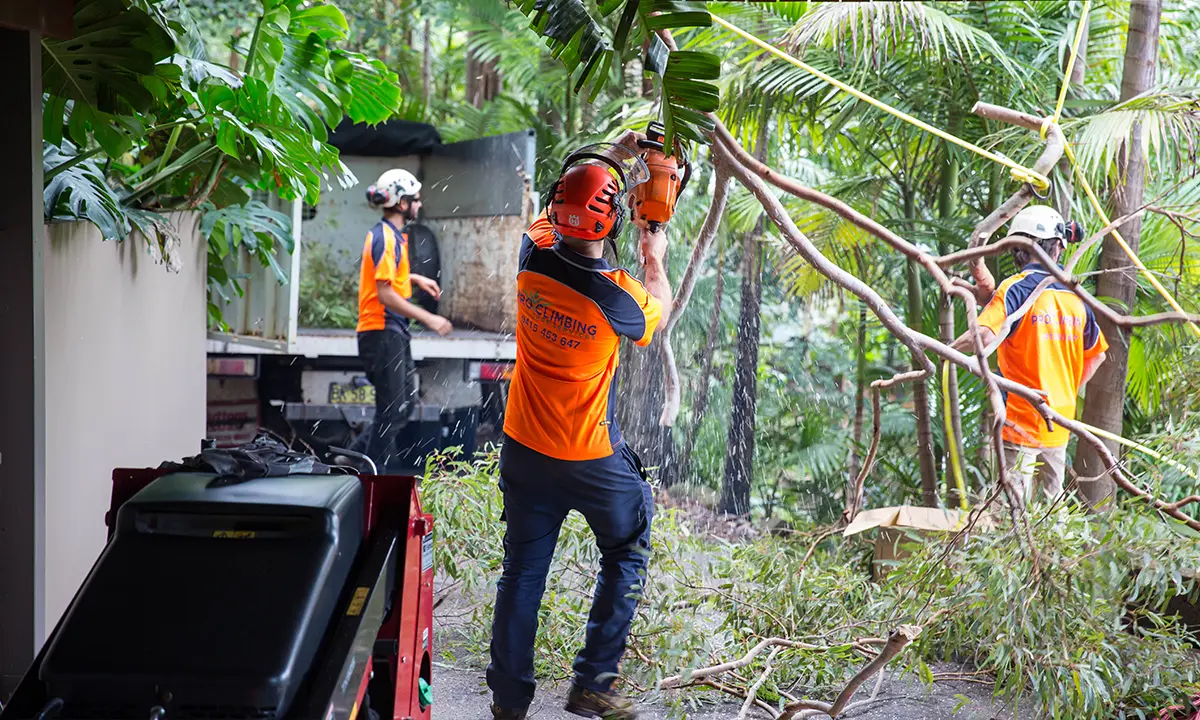
What does a “standard” tree pruning job usually cover?
Most tree pruning services in Sydney include an on-site assessment, a clear pruning plan, safe cutting, and full clean-up. They typically aim to remove dead, damaged, or risky growth while keeping the tree’s shape natural.
A standard job often includes basic crown cleaning and light to moderate reduction, where appropriate. It usually does not include full tree removal unless agreed as a separate scope.
How do they assess the tree before cutting anything?
Before starting, tree pruning services in Sydney generally inspect the tree’s structure, health, and hazards. They look for deadwood, cracks, limb unions, pest issues, and branches interfering with buildings, power lines, or pathways.
They also assess access for climbing or machinery and identify drop zones. This step guides how much pruning is safe without stressing the tree.
Which pruning cuts are normally included?
In most cases, tree pruning services in Sydney include targeted cuts like deadwood removal, selective thinning, and clearance pruning. The goal is to reduce risk and improve canopy condition without over-pruning.
They may remove crossing branches, weak attachments, or limbs rubbing on structures. Good operators avoid topping and focus on correct pruning points to support healthy regrowth.
Do standard services include shaping and canopy reduction?
Many tree pruning services in Sydney include light shaping to maintain a balanced canopy, especially for ornamental trees or those close to structures. If reduction is needed, it is usually modest and done to reduce weight and wind load.
Heavier reductions may be quoted separately, particularly if the tree is large, protected, or already stressed. The provider should explain what is realistic for the species.
How do they handle safety, traffic, and property protection?
Professional tree pruning services in Sydney usually set up the work zone to protect people and property. This can include cones, barricades, spotters, and controlled lowering of branches with ropes.
They typically protect gardens, fences, roofs, and nearby vehicles where possible. If a branch must be rigged down, that is often part of the standard method for tighter suburban sites.
Will they remove green waste and leave the site clean?
Yes, most tree pruning services in Sydney include clean-up as part of a standard job. That normally means chipping small branches, stacking timber as agreed, and raking or blowing debris from lawns, paths, and driveways.
Some clients ask to keep mulch or firewood. If so, the team will usually place it where requested, as long as access allows.
Do they provide advice on ongoing tree care?
Many tree pruning services in Sydney offer basic aftercare advice, such as when to water, what regrowth to expect, and when a follow-up prune may be needed. They may also flag issues like decay, termites, or root problems they noticed during the job.
Are council rules or permits part of the standard service?
Some tree pruning services in Sydney can help clients understand whether a tree is protected and what approvals may be required. However, permits and arborist reports are not always included in a standard prune price.
If council approval is needed, it is usually treated as an add-on service. Clients should ask whether applications, photos, or documentation are included.
What is usually excluded from a “standard” pruning job?
Even with reputable tree pruning services in Sydney, a standard job may exclude stump grinding, major crane work, complex powerline clearance, or removal of large trunks unless specified. Pest treatment, root barrier installation, and soil improvement are also typically outside scope.
If access is difficult, extra machinery or labour may change the quote. The clearest sign of quality is a written scope that spells out inclusions and exclusions.
How can clients tell if they are getting a proper standard service?
The best tree pruning services in Sydney outline the scope in plain language and explain the pruning approach. They should be willing to discuss how much canopy will be removed and how the tree will look afterwards.
A professional standard job is organised, safety-first, and tidy at the end. If the provider cannot explain the plan, that is usually a sign to keep looking.
Why does Hills District air conditioning matter so much to property buyers?
It matters because it changes daily comfort and perceived value straight away. Buyers often treat Hills District air conditioning as a “must-have” during warmer months, especially in family homes with multiple living zones.
It also reduces uncertainty. When buyers see effective cooling already installed, they worry less about future costs, trades, delays, and whether the home will feel comfortable year-round.
Which system types best suit Hills homes and floorplans?
The best choice depends on layout, ceiling height, glazing, and how the household uses the home. In many listings, ducted systems appeal for whole-house coverage, while split systems suit smaller homes, renovations, or targeted zones like bedrooms and living areas.
From a resale perspective, Hills District air conditioning that matches the home’s size and zoning needs tends to present as intentional and “done properly”, rather than a quick add-on.
How can sellers use Hills District air conditioning to lift buyer appeal?
Sellers can treat it as a headline feature, but only if it performs well. Clean filters, quiet operation, responsive thermostats, and strong airflow make inspections feel better, which can subtly raise urgency and confidence.
Marketing also matters. Listing descriptions that mention zoning, recent servicing, or inverter efficiency can make Hills District air conditioning feel like a premium inclusion, not just a basic appliance. “
What efficiency signals do buyers and building inspectors look for?
They look for signs the system is right-sized, well-maintained, and economical to run. Service history, modern controls, and sensible zoning are all reassuring because they suggest fewer surprises after settlement.
If Hills District air conditioning appears older, buyers may start mentally discounting for replacement. If it appears modern and maintained, they are more likely to accept the home’s pricing with less resistance.
Does installation quality affect valuations and negotiations?
Yes, because visible quality reduces risk. Neat outdoor unit placement, clean pipework runs, correct drainage, and compliant electrical work help buyers feel the home has been cared for.
Poor placement or noisy operation can do the opposite. In negotiations, Hills District air conditioning that needs obvious work can become a bargaining tool, even if the rest of the home is presented well.
What should buyers check during an open home or private inspection?
They should test the system, listen for rattles, and confirm airflow in key rooms. They should also look for stains near indoor units, check for musty smells, and ask when it was last serviced.
If they cannot verify performance, they may assume future expense. If Hills District air conditioning is demonstrated confidently, it can strengthen emotional attachment during the inspection.
How does zoning influence comfort and running costs?
Zoning matters because households rarely use every room at once. A zoned setup can cool living areas during the day and bedrooms at night, limiting wasted energy.
For larger homes, Hills District air conditioning with zoning often reads as a thoughtful upgrade that fits real family routines. That can translate into stronger buyer confidence about ongoing affordability.
When is it smarter to repair, service, or replace before selling?
If the system is underperforming, a service is often the simplest win. Cleaning, refrigerant checks, and minor repairs can improve airflow and reduce noise, which helps first impressions.
Replacement makes sense when the system is near end-of-life or visibly dated and unreliable. In that scenario, upgrading Hills District air conditioning can prevent discounting and reduce buyer objections during contract discussions.
How should agents describe air conditioning without overpromising?
They should stick to verifiable details such as system type, zones, controller features, and service dates. If buyers ask about running costs, it is safer to discuss general efficiency features rather than exact bills.
Clear, factual language keeps trust high. When presented correctly, Hills District air conditioning becomes a tangible comfort feature that supports the home’s overall positioning. Check out more about Beaumont Air Conditioning Solutions.
What is the simplest takeaway for maximising comfort and resale impact?
A well-matched system that performs quietly and efficiently tends to support stronger buyer sentiment. Routine servicing, clear documentation, and honest marketing can make it feel like a dependable inclusion rather than a future chore.
In short, Hills District air conditioning is not just about temperature. It is about confidence, comfort, and the sense that the home is ready to live in from day one.
This guide covers five clear symptoms that usually mean it is time for an air conditioning service Blacktown technicians would recommend, plus what they can do next.
Is the airflow suddenly weak or uneven?
Weak airflow usually means the system is struggling to move air through the ducts or indoor unit. They may notice some rooms feel fine while others stay warm, even with the thermostat turned down.
Common causes include clogged filters, blocked vents, a failing fan motor, or duct leaks. An air conditioning service Blacktown specialist can test airflow, clean or replace filters, and confirm whether the issue is mechanical or duct-related.
Are there unusual noises that were not there before?
Rattling, grinding, buzzing, or squealing noises are rarely “normal”. They often point to loose parts, worn bearings, an off-balance fan, or electrical components starting to fail.
If they ignore it, a small part can turn into a major repair. Booking an air conditioning service Blacktown appointment early lets a technician tighten fittings, lubricate moving components, and identify failing parts before they cause damage. To better understand preventive maintenance, common system faults, and professional repair options available in the area, homeowners and businesses can learn more about local air conditioning services more through experienced technicians who specialise in Blacktown systems.
Does the system smell musty, burnt, or chemical?
A musty smell often suggests moisture and mould around the indoor coil or drain line. A burnt smell can indicate overheated wiring or a motor issue, while a chemical-like odour may be linked to refrigerant problems.
Because smells can signal health or safety risks, they should stop running the unit and arrange an air conditioning service Blacktown inspection. During an air conditioning service Blacktown visit, a technician can clean internal components, clear drains, and check electrical and refrigerant systems.
Are energy bills rising even though usage has not changed?
If bills climb without a heatwave or longer run times, the system may be losing efficiency. Dirty coils, blocked filters, incorrect refrigerant levels, and ageing components all force the unit to work harder to cool the same space.
They can confirm the cause by comparing current performance to earlier seasons. An air conditioning service Blacktown check-up typically includes cleaning, testing, and tuning, which often restores efficiency and reduces unnecessary power draw.
Is it short cycling, struggling to reach temperature, or blowing warm air?
Short cycling means the unit turns on and off frequently, which increases wear and reduces comfort. They might also notice it never quite reaches the set temperature, or it blows warm air for long periods.
Possible causes include thermostat issues, dirty components, refrigerant faults, or compressor problems. An air conditioning service Blacktown technician can run diagnostics, check temperature split, test controls, and confirm whether it is a simple maintenance fix or a repair. Check out more about heating and cooling.
What should they do before booking a technician?
They can try a few quick checks, but they should avoid poking inside the unit. First, ensure the thermostat is set to “cool” with a sensible set point, check the filter, and confirm outdoor vents are clear of debris.
If the problem persists, it is time to book an air conditioning service Blacktown team. Regular air conditioning service Blacktown maintenance also helps prevent these issues in the first place, especially before peak summer demand.
How often should they schedule servicing to avoid surprises?
Most systems benefit from at least annual servicing, and some households prefer a pre-summer check plus a lighter mid-season clean. Properties with pets, heavy use, or dusty conditions may need more frequent attention.
By planning an air conditioning service Blacktown visit on a routine schedule, they reduce breakdown risk, protect efficiency, and extend equipment life. A consistent air conditioning service Blacktown routine also helps catch small faults before they become expensive repairs.
Why does acting early matter so much?
Small symptoms often have simple fixes, but delays can damage motors, compressors, and control boards. Early action can also improve indoor air quality and keep the home consistently comfortable.
When they spot any of the five signs above, booking an air conditioning service Blacktown assessment is usually the most cost-effective next step. In many cases, one well-timed air conditioning service Blacktown visit can restore performance before the hottest days arrive.
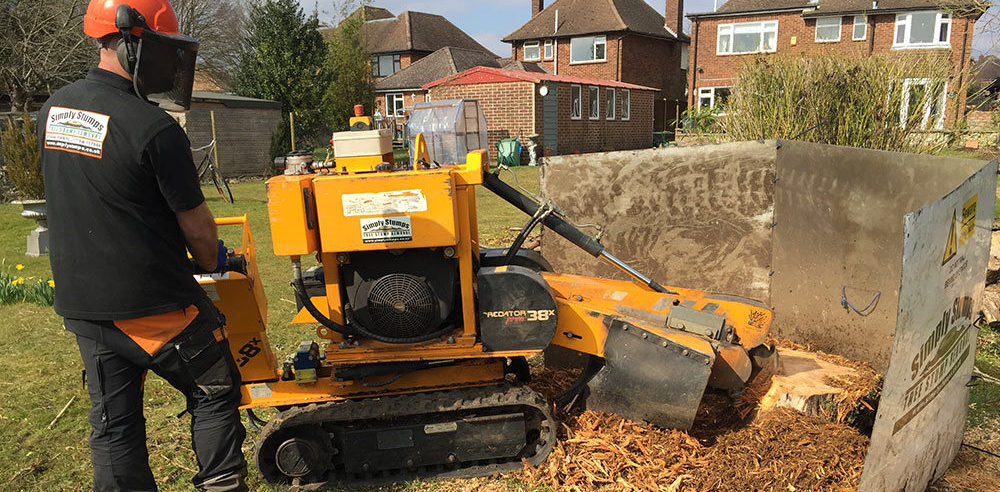
They should start by asking one simple question: do they need the stump gone below ground for building or planting, or do they just want the visible stump removed fast and clean? That one detail usually decides stump grinding vs stump removal.
What is stump grinding vs stump removal, in plain terms?
Stump grinding vs tree and stump removal describes two different ways to deal with what’s left after a tree is cut down. Grinding shaves the stump down with a machine until it sits below the surface, while removal extracts the stump and main roots from the ground.
For many households, stump grinding vs stump removal is a choice between speed and minimal mess (grinding) versus total extraction for future works (removal).
When does stump grinding make more sense for Sydney backyards?
Stump grinding usually makes sense when they want the stump gone quickly without tearing up the lawn. It is commonly chosen for suburban blocks where access is tight and the homeowner wants to keep surrounding landscaping intact.
In stump grinding vs stump removal decisions, grinding often suits those who are not planning to excavate, build, or replant deep-rooted trees in the exact spot.
When is stump removal the better option?
Stump removal is often the better option when they need the ground cleared for construction, retaining walls, new driveways, or deep planting. Because it pulls the root plate out, it can prevent future issues where roots interfere with foundations, pipes, or paving.
In stump grinding vs stump removal, removal is usually chosen when “no roots left behind” is the priority and they are comfortable with more soil disturbance.
How do cost and time compare between the two?
Stump grinding is typically faster and often cheaper for a single stump, especially when access is straightforward. Removal can cost more because it involves heavier digging, more labour, and usually more waste to haul away.
For stump grinding vs stump removal, they should ask for an on-site quote because stump size, timber hardness, access, and proximity to structures can change pricing quickly in Sydney.
How much mess and disruption should homeowners expect?
Grinding usually creates wood chips and a shallow depression where the stump was, with minimal disturbance beyond that area. Removal can leave a larger hole, displaced soil, and visible impact to turf and garden beds.
If they are weighing stump grinding vs stump removal mainly on garden appearance, grinding often looks “neater” immediately, while removal may need backfilling, levelling, and re-turfing.
What happens underground with roots after grinding?
After grinding, the major roots remain, but they typically decay over time. That decay can cause minor settling, which matters if they plan to lay pavers, pour concrete, or build directly over the site.
This is a key stump grinding vs stump removal factor: if they need a stable base soon, removal or additional excavation after grinding may be necessary.
Is regrowth a concern, and does the method affect it?
Regrowth depends on the species and how the tree was cut. Grinding lowers the stump and disrupts the crown, but some species may still send up shoots from remaining roots; removal reduces that risk because the root mass is extracted.
In stump grinding vs stump removal, they should mention the tree type to the contractor, especially if it was known for suckering or aggressive regrowth.
Which option is safer around services, fences, and foundations?
Grinding can be safer near tight spaces because it is controlled and does not require ripping roots out near pipes or footings. Removal can risk disturbing nearby services if roots are entangled with underground lines.
For stump grinding vs stump removal, they should request a services check and ensure the contractor plans around gas, water, stormwater, and electrical pathways common in Sydney properties.
After grinding, they can use the chips as mulch elsewhere or have them removed, then top up with soil and re-turf or plant shallow-rooted plants. After removal, they will usually need proper backfill, compaction, and levelling to avoid future sinkage.
In stump grinding vs stump removal planning, the best approach is to decide the end use first, then choose the method that supports it.
How should Sydney homeowners decide quickly?
They should choose grinding if they want a fast, low-disruption tidy-up and are not building on that spot. They should choose removal if they need the area structurally clear for paving, slabs, or construction.
In short, stump grinding vs stump removal is about the future of the space: cosmetic improvement now, or full ground clearance for what comes next.
Termites are common in many Sydney suburbs, and damage can stay hidden for months. That is why most homeowners focus less on the cheapest quote and more on whether the treatment actually stops the colony and protects the property long term.
What does termite treatment typically cost in Sydney?
In termite treatment Sydney, termite treatment often falls roughly between $300 and $3,500+, depending on the method and property conditions. Localised spot treatments tend to be cheaper, while comprehensive barrier systems and baiting programs cost more.
In termite treatment Sydney, prices vary because termite work is not a one size fits all service. The technician is pricing the time on site, the products used, the size and layout of the structure, and how likely termites are to re enter.
Why do termite treatment prices vary so much?
They vary because termite jobs are priced around risk and access, not just the chemical used. A single active area in an accessible spot is very different from a widespread infestation under a slab or behind finished walls.
Key factors include the type of termites, how much of the building they have reached, whether the subfloor is accessible, soil conditions, garden beds against walls, drainage issues, and how easily a continuous barrier can be installed around the home.
How much does a termite inspection cost in Sydney?
A termite inspection in Sydney commonly costs $150 to $350 for a standard residential property. Some providers discount an inspection if treatment is booked, while others keep it separate to avoid any conflict of interest.
Inspections matter because treatment without proper detection can miss the main activity areas. A good inspection also identifies entry points, moisture problems, and conditions that make the property attractive to termites.
What are the common termite treatment options and their price ranges?
Most Sydney providers offer a mix of chemical barriers, baiting, and foam or dust applications. Each option fits different situations, and that drives cost.
Typical ranges seen across residential jobs include:
Spot treatment (foam, dust, localized chemical): $300 to $900
Chemical perimeter barrier (soil treatment): $1,500 to $3,500+
Baiting program (install plus monitoring): $1,200 to $3,000+ in the first year
Ongoing bait station monitoring: $300 to $800+ per year depending on station count and visit frequency
A property with difficult access, extensive paving, or high risk landscaping may sit at the higher end because it takes more labour to do correctly.
What usually costs more: chemical barriers or baiting?
A full chemical barrier often has a higher upfront price, while baiting can be similar or higher over time due to monitoring fees. Chemical barriers aim to create a treated zone around or under the structure, whereas baiting relies on termites feeding and sharing the bait through the colony.
They are not always either or. Many homes use barriers for immediate protection and baiting where a barrier cannot be installed continuously.
Are there hidden costs they should ask about?
Yes, and asking early prevents quote shock. The main hidden costs are usually access related, not product related.
They should ask whether the quote includes drilling through concrete paths, patios, or internal slab areas, patching, follow up visits, warranties, bait station monitoring, and any additional work needed to fix conducive conditions like leaking pipes, blocked subfloor vents, or soil and garden beds bridging weep holes.
How long does termite treatment last in Sydney conditions?
Most professional treatments are designed to be long lasting, but longevity depends on method and site conditions. Chemical barriers may last for years, while baiting is an ongoing program that works as long as stations are maintained.
Sydney weather, landscaping, renovations, and drainage can all reduce effectiveness. That is why many providers recommend annual inspections even after successful treatment.
Is termite treatment worth it compared to the cost of repairs?
In most cases, yes, because termite damage repairs can easily exceed the treatment cost. Structural timber replacement, wall repairs, flooring work, and repainting can add up fast, especially if damage spreads before detection.
Treatment is also about preventing future loss. Even if they fix visible damage, an untreated or poorly protected property can be reinfested, which means paying twice: once for repairs and again for treatment later.
What signs suggest they should treat immediately rather than wait?
They should treat immediately if there is any evidence of active termites or a high likelihood of ongoing activity. Waiting often means more hidden damage and a larger colony to eliminate.
Common urgent signs include mud tubes, soft or hollow sounding timber, blistered paint, tight doors or windows from warping, discarded wings near windows, and any inspection report that confirms activity or high risk entry points.
How can they make termite treatment more cost effective?
The best way to reduce cost is to make the property easier to protect and less attractive to termites. That lowers both the complexity of treatment and the chance of recurrence.
They can improve value by clearing soil and mulch away from walls, keeping weep holes visible, fixing leaks, improving drainage, ensuring subfloor ventilation, storing timber away from the house, and booking regular inspections so problems are caught early when treatment is simpler.
What should they look for in a Sydney termite treatment provider?
They should look for evidence based recommendations, clear scope, and a plan that matches the building type. A reliable provider explains why a method is chosen, what it does and does not cover, and how they will confirm success.
They should also check licensing, insurance, the written warranty terms, what follow up is included, and whether the provider is recommending property changes to reduce risk rather than selling treatment alone.
So, how much does termite treatment Sydney cost and is it worth it?
Termite treatment in Sydney typically costs hundreds to a few thousand dollars, with the exact price driven by access, infestation extent, and the chosen method. It is usually worth it because the financial downside of untreated termites is far larger than the cost of doing proper treatment and ongoing inspections.
If they want the best outcome, they should treat quickly, choose a method that fits the structure, and keep up annual inspections to protect the investment over time.
What is the typical cost range for termite treatment in Sydney?
Termite treatment in Sydney usually costs between $300 and $3,500+, depending on the treatment method, property size, infestation severity, and access conditions. Localised spot treatments are on the lower end, while comprehensive barrier systems and baiting programs can be more expensive.
Why do termite treatment prices vary so much in Sydney?
Prices vary because termite treatments are priced based on risk factors and site access rather than just the chemicals used. Factors influencing cost include the type of termites, extent of infestation, subfloor accessibility, soil conditions, garden proximity to walls, drainage issues, and feasibility of installing continuous barriers around the home.
How much does a termite inspection typically cost in Sydney?
A standard termite inspection in Sydney generally costs between $150 and $350. Some providers offer discounts if treatment is booked simultaneously, while others keep inspection fees separate to avoid conflicts of interest. Inspections are vital to identify active termite areas, entry points, moisture problems, and conditions that attract termites.
What are common termite treatment options available in Sydney and their price ranges?
Common treatment options include spot treatments (foam, dust, localized chemicals) costing $300 to $900; chemical perimeter barriers (soil treatments) ranging from $1,500 to $3,500+; baiting programs including installation and monitoring priced at $1,200 to $3,000+ for the first year; and ongoing bait station monitoring costing $300 to $800+ annually depending on station count and visit frequency.
Is chemical barrier treatment more expensive than baiting programs?
Typically, chemical barrier treatments have a higher upfront cost due to creating a treated zone around or under the structure. Baiting programs may have similar or higher long-term costs because of ongoing monitoring fees. Many homes use a combination—barriers for immediate protection and baiting where continuous barriers can’t be installed.
Are there hidden costs associated with termite treatment that homeowners should be aware of?
Yes. Hidden costs often relate to site access rather than products. Homeowners should ask if quotes include drilling through concrete paths or slabs, patching work, follow-up visits, warranties, bait station monitoring fees, and additional repairs needed to fix conducive conditions like leaking pipes or blocked subfloor vents to prevent reinfestation.
What are the first signs of mice in a Sydney home?
They usually notice droppings first, often along skirting boards, inside cupboards, or under sinks. Scratching in walls at night, chewed food packaging, and a musty “urine” smell are also common early clues.
They should also look for grease marks along edges where mice travel repeatedly. Shredded paper or fabric in quiet corners can signal nesting.
Why do mice keep coming back even after they’ve “gone”?
They often return in cases requiring mouse removal Sydney because entry points were never sealed, or food and water sources stayed available. Mice follow scent trails, and a single missed gap can reopen the problem.
They also breed quickly. If even a small number remain after mouse removal Sydney, the issue can appear “gone” for a week or two and then surge again.
Where do mice typically enter Sydney houses?
They commonly slip in through gaps under doors, broken vents, weep holes, and cracks around pipes. Roof spaces and garages are frequent access points, especially where weather stripping is worn.
They should assume a mouse can fit through a hole about the size of a 10-cent coin. That includes tiny gaps around NBN cables, air-con lines, and laundry plumbing.
How can they mouse-proof the home without major renovations?
They can start by sealing gaps with steel wool plus sealant, or using metal mesh for vents and weep holes. Door sweeps, draft stoppers, and repairing damaged weather seals usually make a big difference.
They should prioritise the kitchen, pantry, garage, and roof access areas first. These are the highest-traffic zones for rodents.
What cleaning and storage habits reduce mouse activity the most?
They should store all dry foods in hard, airtight containers, not packets or thin plastic tubs. Benchtops should be cleared nightly, and crumbs under appliances should be cleaned regularly.
Bins need tight lids, and pet food should not be left out overnight. Even small, consistent food sources can keep mice active in the same property.
Which outdoor changes help prevent mice indoors?
They can trim vegetation away from exterior walls and keep wood piles off the ground. Compost bins should be sealed, and fallen fruit should be removed quickly.
They should also reduce clutter in sheds and garages, because stored cardboard and fabric make easy nesting material. A tidy perimeter makes the home harder to access and less attractive.
Do traps or baits work better for mouse removal in Sydney?
Traps work well for quick confirmation and targeted removal, especially in smaller infestations. Baits can be effective, but they require careful placement and risk management, particularly around children, pets, and wildlife.
They should avoid random baiting without a plan. Poor bait placement can lead to bait shyness, lingering odours from inaccessible carcasses, or ongoing activity that never fully stops.
Where should they place traps for the best results?
They should place traps along walls, behind appliances, inside cupboards, and near obvious droppings. Mice rarely run through open spaces, so traps placed in the middle of a room often underperform.
They should use multiple traps at once. One or two traps rarely match the pace of an active infestation, especially in roof voids or garages.
When should they call a professional mouse removal service in Sydney?
They should call a professional if there are repeated sightings, heavy droppings, scratching in roof spaces, or signs the problem keeps returning. Professional technicians typically combine inspection, removal, and proofing guidance to stop the cycle.
They should also seek help if baiting is being considered in a complex property. A trained approach reduces risk and usually resolves the issue faster.
What should they expect from a proper mouse removal visit?
They should expect a structured inspection that identifies entry points, nesting zones, and activity trails. A good service will recommend a removal strategy, then outline proofing and hygiene actions that prevent re-entry.
How can they keep the home pest-free after mouse removal?
They can maintain a simple routine: seal new gaps quickly, keep food sealed, reduce clutter, and monitor high-risk areas like garages and pantries. A monthly check for droppings, chew marks, and new holes often catches issues early.
They should also treat mouse-proofing as ongoing maintenance, not a one-time fix. In Sydney, changing weather and building movement can reopen small access points over time.
FAQs (Frequently Asked Questions)
What are the early signs of a mouse infestation in Sydney homes?
Early signs include finding droppings along skirting boards, inside cupboards, or under sinks, hearing scratching noises in walls at night, noticing chewed food packaging, detecting a musty urine smell, observing grease marks where mice travel repeatedly, and spotting shredded paper or fabric in quiet corners indicating nesting.
Why do mice keep returning to Sydney homes even after initial removal?
Mice often return because entry points remain unsealed and food or water sources are still accessible. They follow scent trails, so even a small missed gap can allow re-entry. Additionally, their rapid breeding means a few remaining mice can cause the problem to resurge after appearing gone for a short period.
How do mice typically enter houses in Sydney?
Mice commonly enter through gaps under doors, broken vents, weep holes, cracks around pipes, roof spaces, and garages—especially where weather stripping is worn. They can squeeze through holes as small as a 10-cent coin, including tiny gaps around NBN cables, air-conditioning lines, and laundry plumbing.
What effective mouse-proofing methods can Sydney homeowners use without major renovations?
Homeowners can seal gaps with steel wool combined with sealant or use metal mesh for vents and weep holes. Installing door sweeps, draft stoppers, and repairing damaged weather seals significantly helps. Focusing on high-traffic areas like the kitchen, pantry, garage, and roof access points is essential for effective prevention.
Which cleaning and storage habits help reduce mouse activity in Sydney homes?
Storing dry foods in hard, airtight containers instead of packets or thin plastic tubs is crucial. Clearing benchtops nightly and regularly cleaning crumbs under appliances prevent attraction. Using bins with tight lids and avoiding leaving pet food out overnight also minimize food sources that sustain mice.
When should Sydney residents seek professional mouse removal services?
Professional help is recommended if there are repeated sightings, heavy droppings, scratching noises in roof spaces, or persistent recurring problems. Professionals provide thorough inspections, removal strategies, proofing guidance to stop re-entry cycles, and safe baiting practices especially important in complex properties with children or pets.
How much does it cost to hire Sydney family lawyers for parenting disputes? This question weighs heavily on parents facing separation or custody challenges. Understanding family law fees Sydney upfront helps you make informed decisions during an emotionally difficult time.
The cost to hire Sydney family lawyers varies significantly based on your specific circumstances. Without clarity on potential expenses, families risk financial strain or may delay seeking necessary legal help. Knowing what to expect allows you to budget appropriately and access the support you need.
Why is hiring a family lawyer crucial for parenting disputes in Sydney? Australian family law involves complex legislation governing custody arrangements, parental responsibility, and child welfare. A qualified family lawyer navigates these intricacies while protecting your rights and your children’s best interests.
Attempting to handle parenting disputes without professional guidance often leads to unfavorable outcomes. Family lawyers provide:
Expert interpretation of the Family Law Act 1975
Strategic advice tailored to your situation
Skilled negotiation to reach agreements
Court representation when necessary
Protection from procedural mistakes that could harm your case
The stakes in parenting matters extend beyond immediate costs. Decisions made during these disputes affect your relationship with your children for years to come. Professional legal representation ensures you understand your options, avoid costly errors, and work toward sustainable arrangements that prioritize your children’s wellbeing.
What Factors Influence the Cost of Hiring Sydney Family Lawyers for Parenting Disputes?
The complexity of your case directly determines how much you’ll pay for legal representation. Simple parenting arrangements where both parties largely agree on custody schedules and decision-making responsibilities typically cost less than contentious disputes involving allegations of domestic violence, relocation issues, or complex child welfare concerns.
1. Case Complexity
Case complexity manifests in several ways that impact legal fees:
Cases requiring extensive documentation, multiple court appearances, or coordination with child psychologists and family report writers demand more billable hours.
When disputes involve international parenting orders or cases where one parent has mental health or substance abuse issues, lawyers need additional time to gather evidence, consult experts, and prepare comprehensive legal arguments.
2. Lawyer Experience
The lawyer’s experience and reputation significantly affect pricing structures across Sydney family law firms. Senior practitioners with 15-20 years of specialized family law experience command higher hourly rates than junior associates, often ranging from $400-600 per hour compared to $250-350 per hour for less experienced lawyers.
Lawyer experience translates to tangible benefits that justify higher fees:
Faster case assessment and strategy development
Established relationships with judges and court staff
Proven negotiation skills that may resolve matters more quickly
Deep knowledge of family law precedents and local court procedures
Highly regarded family lawyers who have successfully handled hundreds of parenting disputes bring efficiency that can offset their premium rates. Their ability to anticipate opposing counsel’s strategies and identify the strongest legal arguments often results in better outcomes within shorter timeframes.
3. Scope of Work
The scope of work required for your specific situation creates substantial cost variation. A straightforward consultation to review a proposed parenting plan might cost $300-500, while full representation through contested court proceedings can reach $15,000-50,000 or more depending on the matter’s duration and intensity.
Different service levels include:
Limited scope representation: Lawyer handles specific tasks like drafting consent orders or providing advice on particular issues ($1,500-5,000)
Mediation support: Preparation and attendance at family dispute resolution sessions ($2,500-7,000)
Full trial representation: Complete case management from initial filing
How Do Initial Consultations Affect Overall Legal Costs?
Initial consultations directly reduce uncertainty about legal expenses by providing clear cost estimates before any commitment. Most Sydney family lawyers offer free consultation family lawyers sessions or fixed-fee consultations Sydney ranging from $0 to $330, allowing parents to understand their financial obligations from the outset.
These preliminary meetings serve as critical planning tools. During a initial consultation fees session, lawyers assess the parenting dispute’s specifics and provide realistic projections of total costs based on likely resolution pathways. Parents learn whether their case might settle through negotiation in weeks or require extended court proceedings spanning months.
The upfront advice covers more than numbers. Lawyers explain legal rights regarding custody arrangements, parenting time, and decision-making responsibilities. This knowledge helps parents make informed choices about which legal services they genuinely need versus which they can manage independently.
Budget planning becomes significantly more accurate after these sessions. A parent might discover their dispute qualifies for mediation at $3,000-$5,000 rather than litigation costing $15,000-$30,000. This information allows families to:
Set aside appropriate funds for legal representation
Explore payment plan options with their chosen lawyer
Decide whether to proceed immediately or save additional resources
Compare quotes from multiple family law practices
The consultation investment—whether free or fixed-fee—typically pays for itself by preventing costly missteps. Parents who skip this step often hire lawyers without understanding their billing structure, leading to unexpected invoices and strained attorney-client relationships.
Fixed-fee consultations also demonstrate a lawyer’s transparency. Firms offering these structured sessions signal their commitment to ethical billing practices and client-focused service. Parents can evaluate the lawyer’s communication style, expertise level, and approach to parenting disputes without financial risk.
What Role Does Mediation Play in Reducing Legal Expenses?
Mediation typically costs significantly less than court litigation, making it a preferred option for many families navigating parenting disputes. Family lawyers in Sydney often recommend mediation as the first step, where both parties work with a neutral mediator to reach agreements about parenting arrangements without entering the courtroom.
Cost-effective dispute resolution through mediation can save families thousands of dollars compared to traditional litigation. Court proceedings involve multiple appearances, extensive document preparation, and potentially lengthy trials that accumulate substantial legal fees. Mediation sessions usually require fewer billable hours and can resolve disputes in a matter of weeks rather than months or years.
How Much Can Families Save Through Mediation?
The financial difference between mediation and court proceedings is substantial. Parenting dispute mediation sessions typically range from a few hundred to several thousand dollars depending on the complexity and number of sessions required. Court litigation, by contrast, can easily exceed $20,000 to $50,000 or more for contested matters that proceed to trial.
Families who successfully resolve their disputes through mediation benefit from:
Reduced lawyer preparation time and attendance fees
Fewer court filing fees and administrative costs
Shorter timeframes leading to less accumulated legal expenses
Shared mediation costs between both parties
What Makes Mediation Particularly Effective for Parenting Matters?
Mediation costs family law clients less because the process focuses on collaborative problem-solving rather than adversarial litigation. Parents maintain control over the outcomes and can craft creative solutions tailored to their children’s specific needs. This flexibility often leads to more sustainable agreements that reduce the likelihood of future disputes requiring additional legal intervention.
The informal setting of mediation also reduces stress and emotional costs for families. Children benefit when parents can communicate constructively about parenting arrangements without the formality and tension of courtroom battles.
When Does Mediation Become Unsuitable?
Certain circumstances make mediation inappropriate or ineffective, which impacts the overall cost structure of resolving parenting disputes. Cases involving domestic violence, child abuse, or significant power imbalances between parties typically require court intervention for safety and fairness.
When mediation fails or proves unsuitable, families must proceed to court, resulting in:
Higher legal fees for both parties
Lengthier timelines due to court schedules
Increased emotional strain on children involved
Understanding these dynamics helps families make informed decisions about the most suitable approach for resolving their parenting disputes while considering potential legal expenses.
How Do Court Appearances and Urgent Applications Impact Fees?
The Cost of Going to Court
Going to court is much more expensive than resolving disputes through mediation or negotiation. When parenting disagreements end up in court, legal fees go up because of the time spent preparing, filing documents, and actually being present in court. Family lawyers charge for various tasks such as:
Drafting court documents
Preparing evidence
Attending hearings
Representing clients before judges
The Price Tag on Urgent Legal Matters
Urgent legal applications come with higher costs. If parents need immediate orders for child safety issues or quick changes in custody, lawyers have to prioritize these cases and often work outside regular office hours. In Sydney, short notice lawyer fees usually include:
Rush preparation charges for documents completed within 24-48 hours
After-hours availability for crisis situations requiring immediate legal intervention
Expedited court filing fees for urgent applications submitted to the Family Court
Premium hourly rates when lawyers must rearrange schedules to accommodate emergency matters
The time-sensitive nature of these urgent applications means that lawyers have to focus their resources on specific cases. While a standard parenting order application might take weeks to prepare, urgent matters condense this timeline into days or even hours. This increased intensity leads to significantly higher costs.
Cost Comparison: Mediation vs Court Litigation
The financial difference between resolution methods is substantial. Mediation sessions typically cost between $200-$400 per hour split between parties, with most disputes resolving in 2-4 sessions. On the other hand, court litigation can drag on for months or even years, racking up fees through:
Multiple court appearances at $2,000-$5,000 per day
Extensive document preparation and evidence gathering
Barrister fees if complex legal arguments require specialist advocacy
Expert witness costs for child psychologists or family assessors
Ongoing legal advice throughout the litigation process
A straightforward mediated parenting agreement might cost each party $1,500-$3,000 in total legal fees. However, the same dispute resolved through court could reach $15,000-$50,000 per party, depending on the number of hearings and case complexity.
The Financial Impact of Short-Notice Requirements
Short-notice requirements further add to these expenses. When one parent files urgent court applications, the other parent must quickly find legal representation, often paying higher rates for immediate advice and court preparation. These reactive legal costs create financial pressure that mediation usually avoids through its structured and planned approach.
Are There Flexible Consultation Options Available for Clients Outside Sydney?
Yes, most Sydney family lawyers now offer remote legal consultations through phone and video platforms. These flexible appointment formats allow clients to receive expert advice without traveling to a physical office, making legal services accessible regardless of location.
Phone consultations Sydney provide immediate access to legal guidance for clients who prefer verbal communication or have limited internet connectivity. Lawyers can discuss parenting dispute details, explain legal rights, and outline potential strategies during these sessions. Many firms schedule phone appointments at times convenient for clients, including after standard business hours.
Video appointments family lawyers create a more personal connection while maintaining the convenience of remote access. Platforms like Zoom, Microsoft Teams, or Skype enable face-to-face interactions where lawyers can review documents shared on screen, observe client reactions, and build rapport similar to in-person meetings. This format works particularly well for detailed case discussions requiring visual aids or document review.
Who Benefits Most from Remote Consultations?
Clients living in regional New South Wales, interstate, or overseas gain significant advantages from these flexible options. Parents dealing with parenting disputes while residing outside Sydney can access specialized family law expertise without the expense and time commitment of travel. A parent in Newcastle or Wollongong can consult with a Sydney-based specialist without taking a full day off work or arranging childcare.
People with mobility challenges, chronic health conditions, or disabilities find remote legal consultations eliminate physical barriers to accessing quality legal representation. Parents caring for young children can attend appointments from home without arranging supervision. Those managing demanding work schedules can fit consultations into lunch breaks or between commitments.
Cost Implications of Remote Appointments
Remote consultations often reduce overall legal expenses in several ways. Clients save on travel costs, parking fees, and time away from work. Some lawyers charge the same hourly rate for remote and in-person consultations, meaning the cost structure remains consistent while clients avoid additional expenses.
The efficiency of video and phone appointments can also lower costs. Lawyers can conduct brief check-ins or updates via phone in 15-20 minute increments rather than scheduling full office visits. This flexibility allows clients to pay only for the specific time needed rather than committing to longer appointment blocks that include travel buffer time.
Document sharing through secure online portals during video consultations speeds up the process by allowing lawyers to review important files before meetings and providing clients with an opportunity to present evidence or documentation directly on-screen.
How Do Experienced Family Lawyers Provide Value in Parenting Disputes?
Experienced family lawyers in Sydney provide value by offering personalized legal advice for parenting disputes that takes into account each client’s specific situation. Instead of providing one-size-fits-all solutions, these skilled professionals evaluate the unique dynamics of your family, the needs of your children, and your long-term goals in order to create strategies that protect your interests while prioritizing the well-being of your kids.
Customized Approach to Complex Family Situations
Every parenting dispute presents distinct challenges that require individualized attention. Experienced lawyers recognize that a custody arrangement suitable for one family may be entirely inappropriate for another. They consider factors such as:
Children’s ages and developmental stages
Each parent’s work schedule and living arrangements
Special needs or educational requirements
History of caregiving responsibilities
Cultural or religious considerations
This personalized approach ensures legal strategies align with practical realities rather than theoretical ideals.
Efficient Resolution Through Strategic Guidance
Expert guidance from seasoned practitioners often leads to faster, more cost-effective resolutions. When you understand how much does it cost to hire sydney family lawyers for parenting disputes, you’ll find that investing in experienced counsel can actually reduce long-term expenses. Skilled lawyers identify the most efficient pathway forward—whether through negotiation, mediation, or court proceedings—avoiding unnecessary legal battles that drain financial and emotional resources.
Experienced practitioners recognize when compromise serves your interests and when firm advocacy becomes necessary. They prevent clients from pursuing unrealistic demands that prolong disputes while ensuring legitimate concerns receive proper attention.
Practical Outcomes That Stand the Test of Time
Practical outcomes family law professionals achieve extend beyond immediate case resolution. Experienced lawyers craft parenting arrangements that remain workable as children grow and circumstances change. They anticipate potential future conflicts and build flexibility into agreements, reducing the likelihood of returning to court for modifications.
Real-world examples include:
Negotiating graduated parenting schedules that adapt as infants become school-aged children
Establishing clear communication protocols that minimize ongoing parental conflict
Structuring holiday arrangements that accommodate extended family relationships
Creating dispute resolution mechanisms for future disagreements without court intervention
Knowledge of Judicial Preferences and Local Court Practices
Sydney family lawyers with substantial experience understand how local courts approach parenting matters. This insight proves invaluable when assessing
Conclusion
Should You Book an Initial Consultation Before Committing?
Yes, booking an initial consultation is essential for understanding your specific hiring costs and legal options. Most Sydney family lawyers offer free or fixed-fee first appointments where you receive personalized advice about your parenting dispute, clear cost estimates, and a roadmap of potential outcomes. This upfront meeting allows you to compare Sydney family law pricing across different firms without financial commitment.
The consultation provides immediate value by clarifying your legal position and helping you budget appropriately for parenting dispute legal support. You gain insight into whether mediation might resolve your matter affordably or if court proceedings become necessary.
How Do You Balance Affordability With Quality Representation?
Choosing a family lawyer shouldn’t be based solely on the lowest hourly rate. The most cost-effective approach combines reasonable fees with proven expertise in parenting matters. An experienced lawyer who resolves your dispute efficiently through skilled negotiation or mediation often costs less than a cheaper alternative who prolongs the process.
Consider these factors when evaluating value:
Track record in achieving practical parenting arrangements
Clear communication about costs at each stage
Willingness to explore cost-saving alternatives like mediation
Flexibility in consultation formats to reduce travel expenses
Transparent fee structures without hidden charges
What’s the Smart Next Step?
Contact several Sydney family law firms to arrange initial consultations. Prepare a brief summary of your parenting dispute and specific questions about costs. This preparation helps lawyers provide accurate estimates tailored to your circumstances rather than generic pricing information.
Understanding how much it cost to hire Sydney family lawyers for parenting disputes requires personalized assessment. The investment in quality legal representation protects your parental rights and your children’s wellbeing. Many parents find that expert guidance prevents costly mistakes and achieves resolutions faster than navigating the system alone.
Your hiring costs summary will become clearer once you’ve discussed your unique situation with qualified professionals who can outline realistic pathways forward.
How much does it cost to hire Sydney family lawyers for parenting disputes?
The cost of hiring Sydney family lawyers for parenting disputes varies depending on factors such as case complexity, the lawyer’s experience, and the scope of services required. Initial consultations may be free or offered at a fixed fee, helping clients understand potential expenses upfront.
What factors influence the cost of hiring family lawyers in Sydney for parenting disputes?
Key factors affecting costs include the complexity of the case, the experience and reputation of the lawyer, and the specific legal services needed. More complex cases or urgent applications typically incur higher fees.
How do initial consultations affect overall legal costs in parenting disputes?
Initial consultations, often free or fixed-fee, provide crucial advice on legal rights and estimated costs. They enable clients to plan their budgets effectively and understand what to expect throughout the dispute resolution process.
Can mediation help reduce legal expenses in parenting disputes?
Yes, mediation is a cost-effective alternative to court proceedings that can significantly lower legal fees. It facilitates amicable resolutions but may not be suitable for all cases, especially those requiring urgent court interventions.
How do court appearances and urgent applications impact legal fees with Sydney family lawyers?
Court representations and urgent applications usually involve additional charges. Short-notice requirements can increase overall expenses compared to mediation, which tends to be more affordable.
Are there flexible consultation options available for clients outside Sydney dealing with parenting disputes?
Absolutely. Many Sydney family lawyers offer remote consultations via phone or video calls. These flexible options benefit clients living outside Sydney or with limited mobility and can lead to cost savings by reducing travel and time expenses.
Do Family Lawyers in Canberra Handle Interstate Parenting Matters?
Yes, family lawyers in Canberra regularly handle interstate parenting matters involving children and parents in different Australian states. These legal experts are skilled at dealing with the challenges that come up when separated parents live in separate areas.
Family lawyers in Canberra represent and advise parents who are dealing with disagreements about child custody, living situations, and parental duties that involve multiple states. Their job goes beyond just representing clients in court; it also includes planning strategies for cases where distance makes parenting arrangements difficult.
When dealing with parenting disputes that cross state borders, family lawyers in Canberra follow the rules of Australian family law to address:
Relocation applications where one parent wants to move interstate with children
Enforcement of parenting orders across state lines
Modification of existing arrangements when parents relocate
Multi-jurisdictional custody disputes involving different state courts
These lawyers work together with courts and legal professionals in other states to make sure that family law principles are applied consistently. They prepare documents that take into account the logistics of interstate matters, such as travel plans, school arrangements, and communication strategies that maintain relationships between parents and children despite physical distance.
The knowledge and skills of family lawyers in Canberra become especially important when interstate parenting matters involve complicated issues like concerns about family violence, high-conflict situations, or international aspects. They simplify complex legal arguments while making sure that the well-being of children remains the main priority throughout the entire process.
What Are Interstate Parenting Matters?
Interstate parenting matters occur when separated parents live in different Australian states or territories and need to resolve disputes about their children’s care arrangements. These situations create unique legal challenges because they involve parenting orders and custody decisions that must work across state boundaries.
Common examples include:
A parent in Canberra seeking to relocate with children to Queensland while the other parent remains in the ACT
Disputes about which state the children should primarily reside in when parents live in different jurisdictions
Disagreements over school holidays and travel arrangements between states
Conflicts about which parent can make major decisions when living hundreds of kilometers apart
The most frequent interstate parenting disputes center on three key areas:
Child custody arrangements become complicated when distance prevents the standard week-on, week-off arrangements many separated parents use. One parent might have the children during school terms while the other has extended holiday periods, or arrangements might involve regular flights between states.
Legal responsibility disputes intensify across state lines. Parents may disagree about which state’s schools the children should attend, where they should receive medical care, or which parent has authority to make emergency decisions when the children are in their care. These disagreements often require detailed parenting orders that specify decision-making authority for different situations.
Living arrangement conflicts represent the most contentious interstate matters. When one parent wants to move interstate for work, a new relationship, or family support, the other parent may oppose the relocation. Courts must then determine whether the move serves the children’s best interests, considering factors like maintaining relationships with both parents, stability in education, and access to extended family networks.
Distance transforms routine parenting decisions into complex legal questions requiring careful navigation of family law principles.
How Does Australian Family Law Govern Interstate Parenting Cases?
Australian family law applies uniformly across all states and territories through the Family Law Act 1975 (Cth), which means interstate parenting matters follow the same legal framework regardless of where parents reside. This federal legislation ensures consistency when parents live in different states, preventing conflicting court orders and jurisdictional confusion.
The Act establishes that all parenting decisions must center on the best interests of the child as the paramount consideration. Courts examine multiple factors before issuing parenting orders, including:
The benefit to the child of having a meaningful relationship with both parents
The need to protect children from physical or psychological harm
The child’s views, considering their maturity and understanding
The nature of the relationship between the child and each parent
Each parent’s capacity to provide for the child’s needs
Any family violence history or concerns
Parenting orders criteria extend beyond simple custody arrangements. Courts assess practical considerations such as the child’s current schooling, established routines, connections to extended family, and cultural or linguistic needs. When parents live interstate, judges weigh the feasibility of maintaining regular contact against the disruption of relocating the child.
The legal framework recognizes that children have a right to know and be cared for by both parents, even when geographical distance creates challenges. Courts can structure parenting orders to accommodate interstate arrangements through:
School holiday blocks for extended visits
Video call schedules for regular contact
Shared responsibility for major decisions regardless of distance
Travel cost arrangements between parents
Australian family law doesn’t favor one state’s laws over another. A parenting order made in Canberra holds the same authority in Queensland, Western Australia, or any other jurisdiction. This portability prevents parents from forum shopping or seeking more favorable outcomes by relocating to different states.
Where Are Interstate Parenting Matters Heard in Canberra?
Interstate parenting matters in Canberra are heard at the Nigel Bowen Commonwealth Law Courts, which houses both the Federal Circuit Court and the Family Court. These federal courts have exclusive jurisdiction over parenting disputes, including those involving children living in different states or territories across Australia.
Federal Circuit Court Canberra
The Federal Circuit Court Canberra handles the majority of family law matters, including interstate parenting cases. This court operates as the first point of contact for most parenting disputes and manages a high volume of cases with streamlined procedures designed to resolve matters efficiently.
Family Court Canberra
The Family Court Canberra deals with more complex parenting matters, particularly those involving:
Serious allegations of family violence or child abuse
International child abduction cases
Disputes requiring extensive evidence or expert testimony
Appeals from Federal Circuit Court decisions
Cases with significant legal complexity or precedent-setting issues
Both courts apply the same federal family law legislation, meaning interstate parenting matters receive consistent treatment regardless of which court hears the case. The jurisdiction extends to all Australian states and territories, allowing Canberra-based courts to make binding orders affecting children and parents located anywhere in the country.
Do family lawyers Canberra handle interstate parenting matters? Yes, lawyers practicing at these courts regularly represent clients in cross-border disputes. The federal nature of these courts means they’re specifically designed to address parenting arrangements spanning multiple jurisdictions without requiring separate proceedings in each state.
The Nigel Bowen Commonwealth Law Courts facility provides integrated services, including family dispute resolution and family consultants who assist with interstate matters. These support services help courts understand the practical implications of parenting arrangements when children and parents live in different locations.
What Expertise Do Family Lawyers in Canberra Have Regarding Interstate Parenting Disputes?
Family lawyers in Canberra have specialized knowledge in family law that goes beyond typical custody arrangements. They are equipped to handle the specific challenges that arise in cases involving parents who live in different states or territories.
Understanding the Federal Family Law System
These professionals have a deep understanding of how various state jurisdictions interact within Australia’s federal family law system. This knowledge allows them to effectively navigate the procedural requirements that come into play when parents reside in separate states.
Managing High Conflict Separations
High conflict separations can be complex and emotionally charged situations. Lawyers in Canberra are trained to manage these cases while keeping their focus on legal strategy. They are skilled at handling situations where parents struggle to communicate, where there is a history of litigation, or where one parent tries to alienate the child from the other parent across state lines.
Addressing Co-Parenting Issues
Co-parenting issues become particularly challenging when distance separates parents. Lawyers in Canberra work closely with their clients to develop practical solutions for:
Coordinating school holiday schedules across different state school calendars
Establishing communication protocols that take into account time zone differences
Creating transportation arrangements for interstate child exchanges
Resolving disputes about which state’s medical or educational services the child should access
Navigating Family Violence Cases
Family violence cases require a sensitive approach and careful planning. When domestic violence occurs across state lines, lawyers in Canberra collaborate with interstate protection order systems to ensure that safety measures are enforceable in all relevant jurisdictions. They also advocate for supervised exchange arrangements at neutral locations to protect the child’s well-being.
Assessing Relocation Disputes
Relocation disputes make up a significant portion of interstate parenting cases. Lawyers in Canberra evaluate whether a proposed move is beneficial for the child’s overall development by considering factors such as educational opportunities, support from extended family members, and the practicality of maintaining strong relationships with both parents despite being physically apart.
Technical Knowledge and Coordination with Other States
In addition to their legal expertise, family lawyers in Canberra possess technical knowledge related to interstate parenting matters. This includes understanding how to register parenting orders from one state in another state, enforcing existing orders when a parent relocates, and modifying arrangements when circumstances change across jurisdictions.
To effectively handle cases that involve multiple jurisdictions, lawyers often collaborate with legal professionals from other states. This collaboration may involve gathering evidence, obtaining witness testimony, and making court appearances as necessary.
How Do Family Lawyers in Canberra Manage Legal Complexities in Interstate Parenting Matters?
Family lawyers in Canberra break down intricate interstate parenting disputes into manageable components by focusing on jurisdiction, applicable state laws, and enforcement mechanisms. They analyze which state’s laws apply, how existing orders transfer across borders, and what procedural requirements differ between jurisdictions.
Breaking Down Multi-Jurisdictional Arguments
Lawyers translate complex legal concepts into clear frameworks their clients can understand. When a parent wants to relocate from Canberra to Queensland with their children, the lawyer maps out:
The specific sections of the Family Law Act that govern relocation
How distance affects existing parenting arrangements
What evidence the court requires to assess the proposed move
The other parent’s rights to object and present counter-proposals
This systematic approach removes confusion around overlapping state regulations and federal family law provisions.
Developing Legal Strategy for Interstate Disputes
Canberra family lawyers assess whether litigation or alternative dispute resolution family law methods better serve their client’s situation. They evaluate factors like the urgency of the matter, the relationship between parents, and the likelihood of reaching agreement outside court.
For high-conflict interstate cases, lawyers prepare comprehensive litigation strategies that anticipate how different state courts might interpret evidence. They gather documentation showing:
The child’s established routine and connections in each location
Each parent’s capacity to facilitate the child’s relationship with the other parent
Practical considerations like school quality, healthcare access, and family support networks
Strategic Advice for Mediation Pathways
When parents show willingness to negotiate, lawyers guide clients through family dispute resolution processes. They prepare clients to discuss relocation proposals constructively, focusing on workable solutions rather than positional arguments.
Lawyers help draft detailed parenting plans that address:
Specific travel arrangements between states
Cost-sharing for interstate visits
Communication schedules accounting for time zone differences
Holiday and school vacation arrangements
Contingency plans if circumstances change
Simplifying Enforcement Across State Lines
Family lawyers explain how parenting orders made in one state can be registered and enforced in another. They handle the administrative processes required to ensure orders remain effective when families move between jurisdictions. Click here to get more about how much does it cost to hire Sydney family lawyers for parenting disputes?
Why Is It Important to Use a Family Lawyer Experienced in Interstate Parenting Matters?
Do family lawyers in Canberra handle interstate parenting matters? Yes, but choosing one with specific interstate experience makes a critical difference. An experienced family lawyer understands the jurisdictional complexities that arise when parents live in different states, including which court has authority and how state-based regulations interact with federal family law.
Interstate parenting cases involve unique challenges that general practitioners may overlook. A lawyer familiar with cross-border disputes knows how to address issues like enforcing parenting orders across state lines, managing relocation applications, and coordinating with legal professionals in other jurisdictions. They can anticipate procedural hurdles that might delay your case or create unnecessary complications.
Benefits Experienced Family Lawyer Bring to Interstate Cases
The benefits experienced family lawyer professionals provide extend beyond basic legal knowledge:
Jurisdictional expertise: Understanding which court should hear your matter and how to navigate multi-state legal requirements
Strategic planning: Developing approaches that account for geographical distance and logistical challenges
Enforcement knowledge: Knowing how to ensure parenting orders are recognized and upheld across state borders
Network connections: Having relationships with professionals in other states who can assist with evidence gathering or local proceedings
Child-Focused Advocacy in Cross-Border Disputes
Child-focused advocacy becomes especially vital in interstate matters where children’s stability is already compromised by parental separation across distances. Experienced lawyers prioritize maintaining meaningful relationships with both parents while minimizing disruption to children’s education, friendships, and routines.
These specialists understand how courts weigh factors like school enrollment, medical care continuity, and extended family connections when parents live in different states. They present evidence that demonstrates how proposed arrangements serve children’s developmental needs rather than simply accommodating parental preferences.
Protecting Children’s Best Interests Across State Lines
Ensuring children’s best interests are prioritized requires lawyers who can navigate the tension between parental rights and children’s welfare in interstate contexts. An experienced practitioner recognizes when relocation serves legitimate purposes versus when it might alienate children from one parent.
They also understand how to address practical concerns unique to interstate arrangements:
Travel costs and burden on children
Communication methods for maintaining parent-child bonds
Holiday and vacation planning involving both parents
FAQs (Frequently Asked Questions)
Do family lawyers in Canberra handle interstate parenting matters?
Yes, family lawyers in Canberra are experienced in handling interstate parenting matters, including cross-border disputes involving child custody and parenting orders under Australian family law.
What are interstate parenting matters?
Interstate parenting matters refer to disputes that arise when parents live in different states and involve issues like child custody, legal responsibility, and living arrangements across state lines.
How does Australian family law govern interstate parenting cases?
Australian family law governs interstate parenting cases by prioritizing the best interests of the child and applying consistent criteria for making parenting orders regardless of state boundaries.
Where are interstate parenting matters heard in Canberra?
Interstate parenting matters in Canberra are typically heard at the Federal Circuit Court and Family Court located at the Nigel Bowen Commonwealth Law Courts, which have jurisdiction over these cases.
What expertise do family lawyers in Canberra have regarding interstate parenting disputes?
Family lawyers in Canberra possess specialized expertise in managing complex interstate parenting disputes, including high conflict separations and co-parenting issues, ensuring effective advocacy and resolution.
How do family lawyers in Canberra manage legal complexities in interstate parenting matters?
They employ strategic legal advice, including alternative dispute resolution methods such as mediation, to simplify complex legal arguments and facilitate outcomes that serve the child’s best interests.
When eyeing luxury properties in Vaucluse, the expertise of a property buyers agent becomes essential. Their detailed market analysis, personalised approach, and deep local knowledge help navigate a complex high-value landscape.
Understanding the Vaucluse Luxury Market
Current Market Trends
The Vaucluse property market has seen impressive growth over recent years. In 2023, a 15.2% year-on-year growth coupled with a median house value that just exceeds $9 million underlines the appeal of this suburb. Buyers are attracted not only to the prestige of owning a home in Vaucluse but also to the long-term investment potential. A professional property buyers agent Vaucluse can provide expert guidance in navigating this competitive market, ensuring you make informed decisions and secure the best opportunities.
Data from multiple sources shows that Vaucluse’s market is robust, with properties like those along Hastings Parade and Dumaresq Road fetching impressive sums. In Q1 2025, listings reached price points around €50 million to €55 million, emphasising the exclusivity of the area.
Market reports highlight that even units in the area have experienced solid growth, with a 39.90% increase over five years. This dual performance between houses and smaller dwellings proves that Vaucluse offers a varied portfolio for different types of investors.
Historical Growth and Investment Potential
Investors have consistently been drawn to Vaucluse, not least because substantial evidence points to its long-term growth. Over the past five years, the median house value in Vaucluse has surged by 68.08%, presenting a unique opportunity for those looking to enter the luxury real estate market with confidence.
Experts argue that Vaucluse outperforms many of Sydney’s average growth rates, making it an exceptional investment option. With property values and market confidence on the rise, the region continues to attract high-net-worth buyers seeking both lifestyle and capital gains.
This performance is further supported by recent industry reports comparing price per square metre. With figures for houses averaging €2,900 per square metre, the region holds its own against coastal areas and other luxury markets.
The Role of a Property Buyers Agent in High Value Purchases
Expert Negotiation and Market Insight
A property buyers agent brings a wealth of market insight and negotiation skills to the table. Their role is about championing the client’s interests by ensuring that investments are sound, timely, and aligned with long-term objectives. They provide clarity in a market where emotional decisions can override financial prudence.
This expertise is especially crucial in Vaucluse, where properties carry not only a hefty price tag but an equally significant prestige factor. A buyers agent will scrutinise every detail-from zoning laws to architectural features-ensuring buyers obtain a property that fits their lifestyle and investment criteria.
Negotiating on high-value property deals demands finesse and a comprehensive understanding of the local market trends. An experienced agent carefully evaluates current market statistics and historical data, crafting strategies that take advantage of cyclical trends and future forecasts.
Streamlined Purchase Process
The journey to buying a luxury home is rarely straightforward. A property buyers agent in Vaucluse makes certain that every step is managed with precision. They coordinate inspections, negotiate terms, and liaise with solicitors, lenders, and other key stakeholders.
This streamlined process not only saves time but also minimises potential pitfalls. The agent’s involvement ranges from initial property search to finalising the purchase, ensuring all legal requirements and market conditions are met without undue delay.
For many buyers, the stress of managing multiple parties and understanding intricate contract terms can be overwhelming. A dedicated agent provides reassurance, allowing buyers to focus on the excitement of their new luxury home while trusting that every detail is being handled expertly.
Key Considerations for High Value Purchases in Vaucluse
Valuation and Investment Metrics
One vital aspect of engaging a property buyers agent is their ability to accurately assess property values. Detailed metrics, such as the recent median value data, provide context and benchmarks against which potential purchases can be measured.
Statistical evidence bolsters the justification for investment decisions. For instance, the significant growth percentage in house values alongside strong performance in the luxury segment assures buyers of a promising return on investment.
The buyers agent will also scrutinise price per square metre in different localities. With averages in Vaucluse recorded at €2,900 and other coastal regions often exceeding €4,000, it’s important to understand the factors that contribute to these differences – such as location benefits, amenities, and future development plans.
Legal and Regulatory Compliance
A critical but often underestimated facet of purchasing a high-value property pertains to the legal frameworks governing property transactions. A seasoned property buyers agent ensures full compliance with both local and national property laws.
These professionals work closely with solicitors and financial advisors to guarantee all contractual obligations are met. This meticulous process ensures that clients avoid legal pitfalls, rectify title issues, or become embroiled in any regulatory disputes that might delay a purchase.
Understanding local and regional planning regulations is equally important. In Vaucluse, where the market features exclusive, often historic properties, adhering to heritage and development guidelines is a nuanced task that requires specialized advice.
Timing and Market Entry
The timing of a property purchase in Vaucluse can significantly influence its success as an investment. A property buyers agent utilises market trends, historical cycles, and current economic indicators to advise on the best moments to enter the market.
An agent might point out that in periods where occupancy rates for Airbnbs in the area hover around 55% with a median annual revenue of €28,878, there exists considerable potential for rental yield. Such figures indicate that even if a buyer isn’t planning to reside in the property, leasing it out can generate healthy income.
By advising on optimal market entry, agents help clients avoid the pitfalls of buying during a peak market, which might inflate prices without guaranteeing proportional long-term returns.
Strategies for Effective Property Search and Evaluation
Comprehensive Property Research
A successful high-value purchase begins with painstaking research. A property buyers agent in Vaucluse leverages both public data and proprietary insights to build a complete picture of available properties. They rely on market reports, historical data, and local trends to identify properties that offer the best investment potential.
This thorough analysis includes reviewing recent transaction prices, calculating value per square metre, and assessing features that add intrinsic value to a property. The research might encompass data from trusted sources such as Investropa and OnTheHouse, which provide crucial comparisons that guide the property selection process.
In addition to quantitative metrics, agents consider qualitative factors like neighbourhood prestige, future development plans, and property uniqueness. Every detail is scrutinised to ensure the purchase is as sound a financial decision as it is a lifestyle upgrade.
Inspection and Due Diligence
Even the most promising high-value property requires thorough due diligence. A dedicated property buyers agent arranges detailed inspections, from structural assessments to land surveys. This process helps uncover any hidden issues that could affect the future value or enjoyment of a property.
Agents engage specialist contractors and inspectors, ensuring that every corner of the property is evaluated. This proactive approach is particularly important in luxury markets where even minor issues can have significant financial implications.
Aside from physical inspections, due diligence also covers reviewing legal documentation, ownership history, and verifying that all necessary permits are in order. With a seasoned agent handling these tasks, buyers can avoid surprises and let their investment outcomes truly shine.
Personalised Strategies for Diverse Clientele
Not every high-value property buyer in Vaucluse is the same. Some aim for a resplendent family home, while others seek a lucrative investment property. A property buyers agent tailors their approach to suit each client’s unique objectives. This may involve identifying properties with strong rental yields or sourcing homes that offer exceptional lifestyle benefits.
Agents take into account a client’s risk tolerance and desired level of hands-on involvement. Whether a buyer is looking for a quick resale opportunity or a long-term asset, personalised guidance ensures that each purchase aligns with broader financial and personal goals. You may visit https://betterbizideas.com/what-buyers-advocacy-waverley-focuses-on-for-family-buyers/ to learn about what buyers advocacy waverley focuses on for family buyers
The bespoke service extends to managing negotiations where every detail – from payment terms to contingencies – is carefully customisable to suit the buyer’s circumstances. This individualised approach is key in the multi-million-dollar environment of Vaucluse.
Negotiation Techniques in High-Value Transactions
Building Rapport and Trust
Successful negotiations in luxury real estate start with building a strong rapport among all parties. Experienced property buyers agents understand the value of trust and professionalism. They use their in-depth market knowledge to demonstrate to sellers why the offered price represents a fair value.
A high-value transaction is not just about numbers; it’s also about relationships. The agent’s reputation, local network, and track record of successful deals lend credence to their negotiation strategy. Sellers are more inclined to work with professionals who convey a fair, respectful, and informed posture.
This emphasis on trust paves the way for smoother negotiations, where both buyer and seller can aim for a consensual agreement. It often means the difference between an offer that sits in limbo and one that promptly results in a signed contract.
Data-Driven Price Negotiations
Every offer on the table must be backed by solid data. A property buyers agent employs comprehensive market research to justify their position, incorporating median values, price per square metre, and comparisons with recent high-value transactions within Vaucluse. This evidence-based approach helps frame the value of a property in an objective manner.
For example, current statistics revealing a median house value slightly above $9 million and growth figures climbing steadily over the years provide a firm foundation for negotiations. By articulating these facts clearly, the agent makes a persuasive case for a fair purchase price that reflects both current market conditions and future growth.
This method of analytical negotiation reduces the emotional weight of high-value transactions, ensuring that the final deal is as much a triumph of market intelligence as it is of negotiation prowess.
Timing and Patience in Negotiations
Luxury transactions often require patience. A key skill for any agent is recognising when to press front-line negotiations and when to wait. Timing is crucial, especially in markets as dynamic as Vaucluse’s. A buyers agent may delay finalising a deal until market indicators confirm a more advantageous position for the buyer.
Knowing when to step back during heated negotiations can result in significant savings. Patience combined with a keen understanding of market fluctuations and forthcoming developments often gives the buyer a competitive edge in these high-stakes discussions.
This measured approach, balancing assertiveness with patience, ultimately contributes to capitalising on market conditions that favour the buyer’s overall investment strategy.
Managing the Entire Transaction Process
Coordinating with Multiple Stakeholders
A property purchase in Vaucluse is rarely a solitary endeavour. A buyers agent acts as the central point of contact, orchestrating smooth communication among various stakeholders. From real estate agents and solicitors to mortgage brokers, every participant in the transaction is kept in the loop.
This meticulous coordination ensures that deadlines are met, queries are resolved promptly, and potential issues are addressed before they escalate. In high-value markets, every detail counts, and professional coordination can expedite the overall process while reducing stress for the buyer.
The agent’s established network of professionals, including those with local expertise in legal and financial matters, further enhances the efficiency of the transaction. A single misstep can cost time and money, so proactive communication remains a core priority throughout the deal.
Leveraging Technology and Market Analytics
Modern property buyers agents harness advanced technology to gain an edge. They utilise custom market analytics, comprehensive online databases, and innovative real estate platforms to keep track of the latest trends and available properties.
This analysis often involves detailed mapping of property features, historical price changes, and predictions about future value appreciation. With recent reports indicating an average of €2,409 per square metre in nearby coastal regions versus €2,900 in houses within Vaucluse, technology offers an avenue to extract critical insights that influence purchasing decisions.
Ultimately, this fusion of traditional expertise and contemporary technology ensures that high-value transactions are managed efficiently, paving the way for sound long-term investments.
Post-Purchase Services and Ongoing Support
The service of a property buyers agent doesn’t conclude at the signing of the contract. Many agents in Vaucluse offer continued support in areas ranging from property management to advice on future resale opportunities. This comprehensive service is particularly attractive for buyers looking to maximise returns or manage multiple assets.
Ongoing support may include market updates, assistance with refurbishment or renovation strategies, and connecting buyers with trusted property managers who understand the nuances of luxury estates. With such advice, buyers can comfortably navigate subsequent phases of property ownership.
This full-cycle approach ensures that buyers are not left in the dark once the deal is sealed. Instead, they benefit from a trusted partnership that extends into the lifecycle of their investment, safeguarding both their financial interests and their lifestyle aspirations.
Why Vaucluse Remains a Top Choice for Luxury Investments
Prestige and Lifestyle Appeal
Vaucluse enjoys a reputation as one of Sydney’s most desirable suburbs, attracting people who value both luxury and heritage. The stunning views, proximity to the waterfront, and storied past of the area create a unique allure that is hard to match.
Homeowners take pride in owning a piece of Vaucluse, where every street tells a story. This prestige is cultivated not only by the architecture of its properties but also by the high calibre of its residents.
For many buyers, the decision to invest in Vaucluse goes beyond financial metrics. It is about securing a lifestyle enriched with natural beauty, cultural sophistication, and the confidence that their property will always be part of an exclusive community.
Comparative Value and Future-Proofing Investments
The impressive growth figures detailed in numerous studies underscore Vaucluse’s strong fundamentals. In comparison to other high-end markets, buyers enjoy a blend of relative affordability per square metre and robust long-term growth potential.
Recent findings suggest that while coastal regions such as Alpes Maritimes command higher prices per square metre (around €4,387), Vaucluse still offers an attractive average of €2,900 for a house. This comparative value means buyers can secure premium properties without the astronomical entry costs found in some international markets.
By selecting a property in Vaucluse, investors not only capitalize on current market dynamics but also position themselves favourably for future capital appreciation. As property values continue to soar and luxury demand builds, well-timed investments in this suburb offer substantial potential for enhanced returns.
Rental Yield and Alternative Income Streams
For investors also considering rental income, Vaucluse provides promising prospects. With reliable occupancy rates, such as the 55% average recorded in November 2025 for Airbnbs, there is a steady flow of rental revenue even as properties appreciate in value.
This dual benefit-capital growth coupled with attractive median annual revenues of around €28,878-ensures that luxury properties in Vaucluse are not only prestige purchases but also practical investments that can deliver consistent income.
Whether the goal is a primary residence that also generates income during extended periods of vacancy or a dedicated rental property, high-value purchases in Vaucluse can be tailored to suit a variety of financial objectives. A property buyers agent plays a pivotal role in identifying and securing properties that meet such criteria, making the most of both market dynamics and individual financial profiles.
Integrating Expert Insights and External Data
Leveraging Trusted Sources
Local experts and industry reports consistently reinforce Vaucluse’s strong market position. Insights from teams such as the Ben Collier Team and Creative Preservation stress that Vaucluse outperforms average Sydney growth rates-an endorsement that resonates with savvy investors.
These insights are bolstered by comparative data from OnTheHouse, Investropa, and Green-acres. Their detailed analyses provide the statistical backbone that gives buyers confidence during negotiations and purchase decisions.
Employing multiple reputable sources helps a property buyers agent offer a well-rounded perspective. This comprehensive view ensures that every recommendation is backed by both anecdotal experience and hard data, making it easier for buyers to justify their investment decisions.
Behavioural Trends in the Luxury Segment
Market behaviour in the luxury real estate segment often differs from typical trends. Buyers in this market prioritise quality, location prestige, and potential for future growth over short-term gains. This discerning approach is especially applicable in Vaucluse, where historical performance and upscale living go hand in hand.
Property buyers agents monitor these behavioural trends closely to predict future buyer sentiment. They evaluate how buyer behaviour impacts market stability and guide clients regarding emerging preferences that might affect long-term value appreciation.
By staying ahead of these shifts, the agent is better equipped to advise investors, ensuring that the properties chosen today remain desirable assets in the years to come.
Tree stump grinding is more than just chipping away the remains of a felled tree. In Australia, as elsewhere, professional stump grinders dig deep-both literally and figuratively-to ensure safety, efficiency, and landscape restoration. In this detailed exploration we discuss the many facets of stump grinding, from the practical techniques and cutting-edge technologies to the market trends shaping the industry.
Whether you’re a homeowner assessing the need for stump removal or a landscaping professional seeking the latest insights, understanding the depth professionals go during tree stump grinding offers a comprehensive view of the task. We cover everything from the physical depth of grinding to the innovative strategies that guarantee more effective stump removal.
Understanding the Basics of Stump Grinding
What Is Stump Grinding?
Tree stump grinding is a process that involves chipping away at a tree stump using specialised machinery, rather than removing the entire root system. The goal is to reduce the stump to small wood chips that gradually decompose, leaving the ground clean and ready for new growth.
This method is favoured by professionals worldwide because it is faster and causes less damage to the surrounding area compared to traditional stump removal techniques. In Australia, many landscaping companies prefer stump grinding as a cost-effective and environmentally friendly solution.
Essential Equipment and Techniques
Modern stump grinders come equipped with a rotating cutting wheel with carbide teeth capable of cutting through tough wood. Some models, especially those used by savvy professionals in Australia, integrate advanced technology such as GPS mapping and AI-driven systems to enhance precision and safety.
The technology behind these machines is continually evolving. Improved cutting mechanisms and powerful engines make it possible to remove stumps more efficiently. In fact, technological advancements have meant that even large stumps can be ground down without taking excessive time or causing undue disturbance to the landscape.
Benefits of Stump Grinding Over Other Removal Methods
One of the main advantages of stump grinding is that it leaves the surrounding soil intact. This is particularly important in Australia where preserving the health of the land is paramount. The process minimises the risk of soil erosion and maintains the basic structure of your garden or property.
Additionally, stump grinding can make way for new installations such as patios, plant beds, or lawn areas without the need for extensive excavation work. With innovative equipment that efficiently tackles even the toughest stumps, the service has grown both in demand and in technological sophistication.
How Profoundly Deep Can Professionals Grind?
Factors Determining the Depth of Grinding
The depth to which a stump is ground typically depends on several factors. The size and age of the stump, the type of tree, and the equipment used all play a role. Professionals often aim to grind a stump to a level 4-6 inches below the ground surface, ensuring that roots are severed and the stump is fully buried.
Another important consideration is the intended use of the area post-grinding. If the ground is to be used for gardening or for laying a new lawn, the depth of grinding may be adjusted to preserve soil integrity and allow for proper regrowth. Thus, the depth is a fine balance between operational efficiency and long-term usability of the land.
The Role of Professional Expertise
Expertise is at the heart of effective stump grinding. Professional operators understand that merely grinding the visible part of the stump is not enough; residual roots can sprout or hinder future landscaping efforts. A skilled technician will ensure that the grind is deep enough to remove any remnants that may cause future issues.
Experience combined with modern machinery allows professionals to achieve an optimal grind. Their training means that they can adjust the depth based on both the characteristics of the stump and the requirements of the project, making their approach both flexible and thorough.
Challenges Faced During Deep Grinding
One of the primary challenges is dealing with stumps that have extensive root systems. These can be particularly stubborn and demand a high level of mechanical power. Additionally, the condition of the soil can affect the grinding process. Rocky or compacted ground may require additional effort to reach the desired depth.
Safety is another paramount challenge. Digging deep while ensuring stability of the surrounding environment requires a well-thought-out plan and adherence to safety protocols. In Australia, where diverse soil conditions and tree species abound, contractors need to be prepared for a variety of scenarios.
Technological Advancements and Their Impact on the Process
Integrating GPS and AI in Stump Grinding
Recent technological advancements have significantly boosted the efficiency of stump grinding operations. The integration of GPS and AI-driven systems into stump grinders can enhance the accuracy of the grind and reduce the risk of accidental damage to nearby infrastructure.
These technological improvements offer a level of precision that was once unattainable. By mapping the exact contours of a site, professionals can optimise each grinding session, ensuring that every millimetre is accounted for. The use of AI also helps in diagnosing resounding issues and streamlining the workflow.
Impact on Operational Efficiency
With improvements in mechanical design, stump grinders are now more potent and efficient. Powerful engines paired with innovative cutting wheels enable faster cycles, which is particularly relevant for extensive commercial projects. This means less time spent on each job and more efficient land turnover for development projects.
In industries where time is money, the efficiency gained by these technological advances cannot be overstated. Professionals can service more clients without compromising quality, and the reduction in labour-intensive work allows for a safer working environment.
Enhancing Safety and Reducing Environmental Impact
Safety is a core focus in stump grinding. The use of AI ensures that operators can better predict when and where a machine might encounter obstructions such as unexpected buried debris or particularly hard root masses. This advanced warning system helps to avoid accidents.
At the same time, these innovations contribute to a reduced environmental footprint. Precise grinding means less disruption to the soil structure and a more sustainable approach to land management. In Australia, where environmental regulations are stringent, these improvements align perfectly with sustainable best practices.
Market Trends and Growth Projections
The Current Size of the Global Stump Grinder Market
According to recent research, the global market for stump grinders was estimated at around $99.6 million in 2024. Although this figure may seem modest, it reflects a specialised niche where both demand and innovation are consistently growing.
Australian companies, along with global players, are increasingly adopting new technologies that enhance service quality and operational efficiency. As the market evolves, the integration of modern machinery and advanced technological systems remain a key driver of growth.
Growth Projections and Future Prospects
Projections indicate that the stump grinder market will reach approximately $116.7 million by 2030, growing at a CAGR of 2.7% from 2024 to 2030. Further into the future, some forecasts predict that global market value could soar, reaching up to $812.5 million by 2035, with a CAGR of 4.5% from 2025 onwards.
This steady growth reflects the increasing reliance on advanced machinery in landscaping and forestry. The adoption of innovations like AI-driven grinding systems will make these machines more effective, ensuring that the industry remains robust in the face of growing environmental and operational demands.
Market Competition and the Importance of Innovation
As the market expands, competition among suppliers has intensified. Companies are incentivised to invest in research and development, bringing forth improved cutting wheels, enhanced engine performance, and more efficient machine designs.
This competitive landscape benefits both professionals and end-users. With more companies offering cutting-edge solutions, the quality of service continues to rise, leading to faster turnaround times and cleaner, more effective stump removal. The consistent drive for innovation ensures that safety and precision remain at the forefront of every job.
Practical Considerations When Planning a Stump Grinding Project
Assessing the Site and Planning the Grind
A thorough assessment of the site is crucial before beginning any stump grinding project. Professionals examine the stump’s size, its location relative to structures, and the condition of the surrounding soil. In densely built areas, a careful plan is necessary to avoid damage to nearby utilities or landscape features.
Depending on the project’s scope, a detailed plan is drawn up. The plan will include an estimated depth of grind, potential obstacles, and the overall timeline. By taking these factors into account, operators ensure that each job is executed with minimal disruption and maximum long-term benefits.
Cost Implications and Budgeting
Budget is always a consideration. Stump grinding is generally more cost-effective than full stump removal or excavation, especially when advanced machinery is used. The integration of modern technology means that operators can complete jobs faster, reducing labour costs and minimising machine downtime.
Homeowners and property managers alike benefit from the competitive pricing driven by market dynamics. The steady growth in market size has pushed companies to offer better, more affordable services without compromising on quality or depth of work.
Timing and Seasonal Considerations
Timing can affect the grinding process. Certain times of the year are preferable for stump grinding, particularly when the ground is not overly wet. Excess moisture can make the process more challenging and sometimes less effective.
Many Australian professionals plan grinding projects during the drier months to ensure efficiency and safety. This seasonal planning not only optimises machine performance but also protects the surrounding landscape from unnecessary damage.
Environmental and Safety Aspects
Sustainable Practices in Stump Grinding
Environmental sustainability is increasingly significant in the landscaping and tree removal industry. By grinding stumps instead of exhibiting a full-scale dig-up, the process minimizes ground disturbance and helps maintain a stable ecosystem.
Professionals are also mindful of dust control and debris management during the grinding process. This integrated approach ensures that the work supports broader environmental objectives while still delivering excellent results for property owners.
Safety Procedures and Best Practices
Safety during stump grinding is critical. Operators must adhere to strict guidelines that cover everything from cutter operation to environmental protection measures. The use of integrated safety systems, especially those powered by AI, helps monitor potential hazards and reduce the risk of injury.
Regular maintenance of equipment, proper training, and thorough risk assessments form the backbone of safe stump grinding practices. These safety measures protect both the operator and the property, ensuring that every project is completed without incident.
Community and Regulatory Considerations
Compliance with local regulations is an important element of stump grinding. In Australia, councils and local government bodies set guidelines on noise, debris, and the permissible extent of ground-level work. Professional companies work closely with regulators to ensure that field operations meet all required standards.
Community awareness is also growing. Homeowners are increasingly informed about how stump grinding can be done safely and efficiently without causing long-term damage to their local environment. This alignment between community expectations and environmental responsibilities further underscores the importance of professional standards.
Advanced Techniques and Future Trends
Innovative Cutting Mechanisms
One of the most exciting trends in stump grinding is the development of advanced cutting mechanisms. Enhanced cutting wheels, engineered for higher efficiency and durability, allow operators to achieve deeper and more consistent results. These innovations enable even the most stubborn stumps to be ground down smoothly and thoroughly.
These improvements are not merely academic. They translate into tangible benefits, such as reduced operating times and lower overall costs. As research and development continue, expect to see even more refined machinery that pushes the boundaries of what traditional stump grinders can achieve.
Adapting to Varied Environmental Conditions
Advanced stump grinders are increasingly adaptable to diverse conditions. Whether dealing with rocky terrain, compacted soil, or remote bushland, modern equipment offers customisable settings to cater to the job at hand. The precision provided by AI integration means that even the smallest adjustments can be made in real time.
Many operators are now experimenting with different techniques based on local environmental data. This customisation means that stump grinding can be optimised for a particular zone, ensuring that each job contributes to the health of the local ecosystem. These environmentally adaptive practices represent the future of sustainable land management.
What Lies Ahead for the Industry?
Future trends point towards an even greater reliance on technology. The growing global market, expected to surge remarkably in the next decade, is set to see continued integration of smart systems and robotics in stump grinding. As market size forecasts suggest growth rates climbing steadily, professional operators will be in a strong position to adopt these new tools.
Increased investment in technology, research, and training is likely to propel the industry forward. In Australia, where innovation is prized and environmental management is key, the melding of technological expertise with traditional skills promises a bright future for stump grinding professionals.
The Practical Side of Stump Grinding Projects
Site Preparation and Initial Assessment
Before the stump grinder even starts its engine, a thorough site preparation is essential. This includes clearing debris, ensuring that the area around the stump is free from hazards, and, in some cases, protecting adjacent landscape features. Professionals conduct an initial survey to determine the most efficient and safest approach.
They consider aspects such as soil condition, proximity to utilities, and the overall layout of the area. A well-prepared site not only speeds up the process but also minimises the risk of complications. In Australia’s variable terrain, adaptability is key, and professional insights play a crucial role in effective preparation.
Execution: From Grinding to Clean-Up
The actual grinding process is as much about precision as it is about power. Skilled operators carefully manoeuvre the stump grinder to ensure the stump is reduced to chips to the necessary depth. Every pass of the machine is planned out, with particular attention given to avoiding unnecessary damage to the surrounding landscape.
Once grinding is complete, the resulting wood chips are typically left on-site, where they can decompose naturally or be repurposed as mulch. A neat, clean finish is vital for homeowners planning further landscaping, as it ensures a smooth transition from stump removal to new installations or replanting.
Post-Project Considerations and Long-Term Care
After stump grinding, the ground may need some reconditioning. Professionals may recommend soil aeration, the addition of topsoil, or even planting new vegetation to restore the landscape’s functionality and aesthetics. This holistic approach ensures that the area is not only cleared of stumps but also revitalised for future growth.
Regular follow-up and maintenance can also help identify any issues that might arise post-grinding, such as unexpected regrowth or soil irregularities. A well-planned post-project strategy is as important as the grinding itself, ensuring that the benefits of the work are fully realised in the long term.
Insights from Industry Professionals
Experienced Operators Share Their Techniques
Seasoned stump grinders emphasise that achieving the right depth often involves a mix of technology and personal expertise. They recount experiences where adapting the machinery’s settings to suit the specific stump profile proved crucial.
These professionals often highlight that no two stumps are exactly alike. Factors such as tree species, stump age, and environmental conditions require a tailored approach. Their insights underscore the importance of a flexible, hands-on method that utilises modern technology while still relying on years of practical know-how.
Training and Certification in an Evolving Industry
Many operators now undergo specialised training and certification programmes to stay abreast of the latest in technology and safety standards. Regular workshops, online training modules, and hands-on field exercises are part of the professional development process.
Such training not only improves the precision of the grinding operation but also enhances overall safety and efficiency. As the industry evolves, continued education becomes a key component of maintaining high standards and ensuring best practices in every project.
Customer Experiences and Expectations
Feedback from homeowners and property managers reinforces the value of a deep, comprehensive grind. Customers often appreciate that a thorough stump grinding service takes away the risk of partial regrowth, which could disrupt future landscaping plans.
These testimonials emphasise that modern stump grinding is a blend of age-old techniques and breakthrough technology. For many, knowing that professionals have taken the necessary steps to remove the stump completely and safely makes all the difference.