Better Biz Ideas Buyer Agency

tree stump grinding

How Deep Professionals Go During Tree Stump Grinding

Tree stump grinding is more than just chipping away the remains of a felled tree. In Australia, as elsewhere, professional stump grinders dig deep-both literally and figuratively-to ensure safety, efficiency, and landscape restoration. In this detailed exploration we discuss the many facets of stump grinding, from the practical techniques and cutting-edge technologies to the market trends shaping the industry.

Whether you’re a homeowner assessing the need for stump removal or a landscaping professional seeking the latest insights, understanding the depth professionals go during tree stump grinding offers a comprehensive view of the task. We cover everything from the physical depth of grinding to the innovative strategies that guarantee more effective stump removal.

Understanding the Basics of Stump Grinding

What Is Stump Grinding?

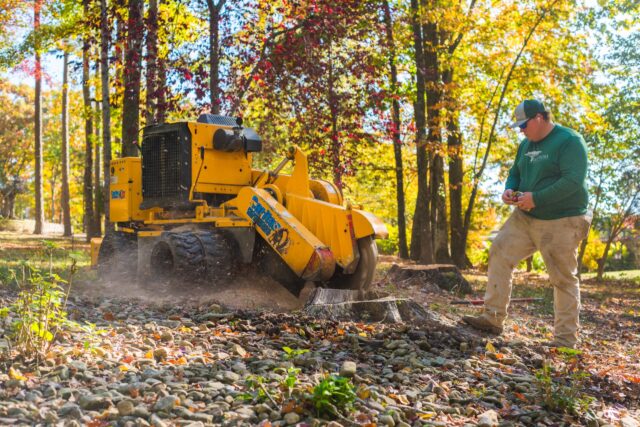
Tree stump grinding is a process that involves chipping away at a tree stump using specialised machinery, rather than removing the entire root system. The goal is to reduce the stump to small wood chips that gradually decompose, leaving the ground clean and ready for new growth.

This method is favoured by professionals worldwide because it is faster and causes less damage to the surrounding area compared to traditional stump removal techniques. In Australia, many landscaping companies prefer stump grinding as a cost-effective and environmentally friendly solution.

Essential Equipment and Techniques

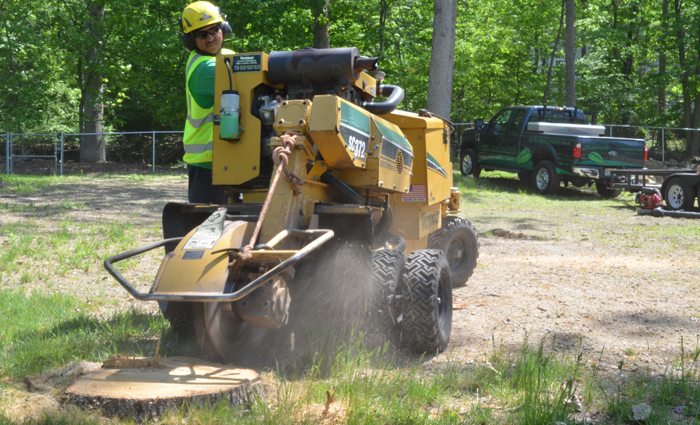
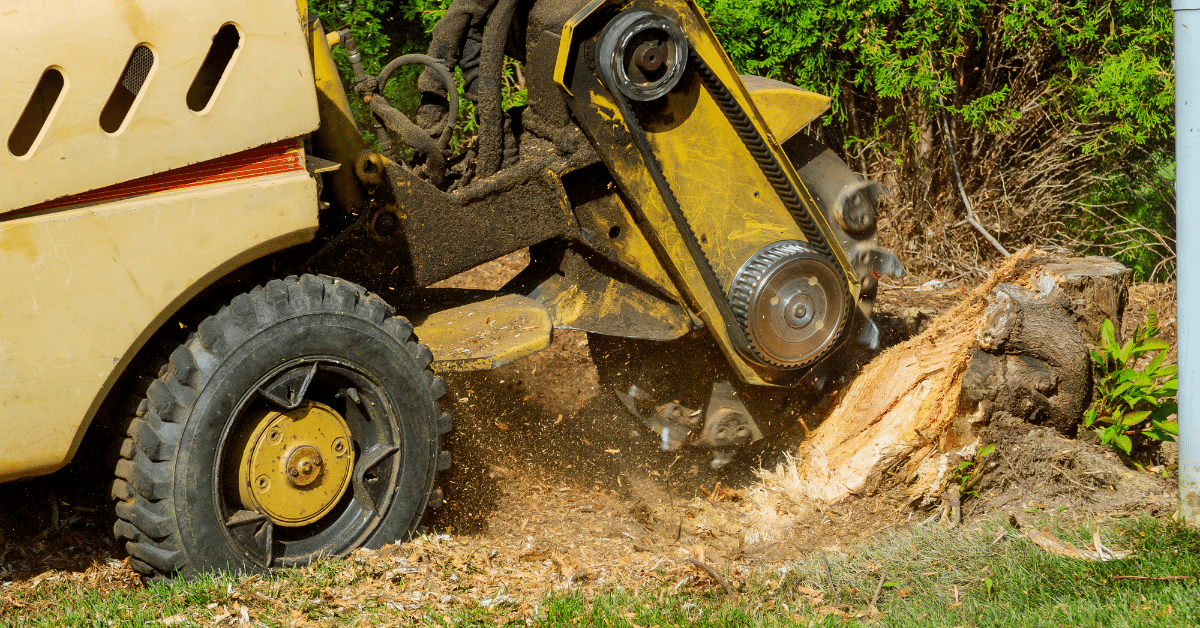
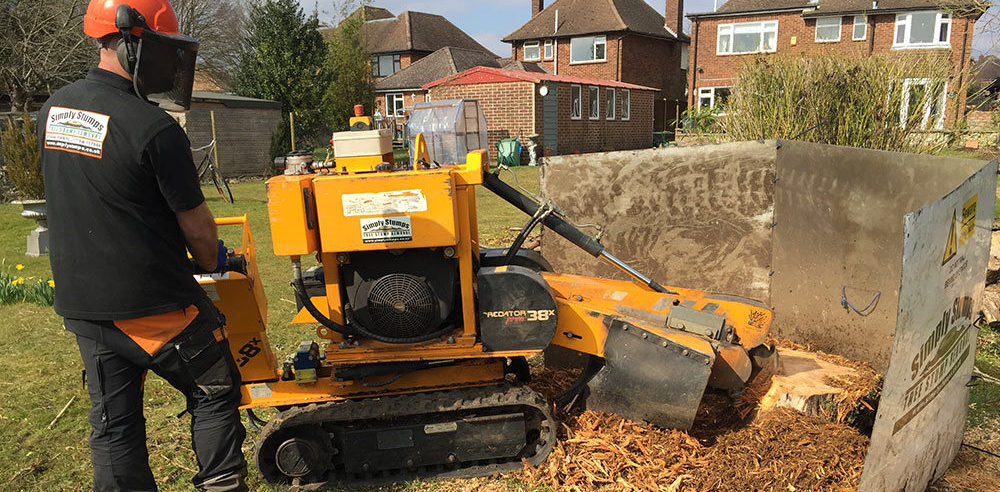
Modern stump grinders come equipped with a rotating cutting wheel with carbide teeth capable of cutting through tough wood. Some models, especially those used by savvy professionals in Australia, integrate advanced technology such as GPS mapping and AI-driven systems to enhance precision and safety.

The technology behind these machines is continually evolving. Improved cutting mechanisms and powerful engines make it possible to remove stumps more efficiently. In fact, technological advancements have meant that even large stumps can be ground down without taking excessive time or causing undue disturbance to the landscape.

Benefits of Stump Grinding Over Other Removal Methods

One of the main advantages of stump grinding is that it leaves the surrounding soil intact. This is particularly important in Australia where preserving the health of the land is paramount. The process minimises the risk of soil erosion and maintains the basic structure of your garden or property.

Additionally, stump grinding can make way for new installations such as patios, plant beds, or lawn areas without the need for extensive excavation work. With innovative equipment that efficiently tackles even the toughest stumps, the service has grown both in demand and in technological sophistication.

How Profoundly Deep Can Professionals Grind?

Factors Determining the Depth of Grinding

The depth to which a stump is ground typically depends on several factors. The size and age of the stump, the type of tree, and the equipment used all play a role. Professionals often aim to grind a stump to a level 4-6 inches below the ground surface, ensuring that roots are severed and the stump is fully buried.

Another important consideration is the intended use of the area post-grinding. If the ground is to be used for gardening or for laying a new lawn, the depth of grinding may be adjusted to preserve soil integrity and allow for proper regrowth. Thus, the depth is a fine balance between operational efficiency and long-term usability of the land.

The Role of Professional Expertise

Expertise is at the heart of effective stump grinding. Professional operators understand that merely grinding the visible part of the stump is not enough; residual roots can sprout or hinder future landscaping efforts. A skilled technician will ensure that the grind is deep enough to remove any remnants that may cause future issues.

Experience combined with modern machinery allows professionals to achieve an optimal grind. Their training means that they can adjust the depth based on both the characteristics of the stump and the requirements of the project, making their approach both flexible and thorough.

Challenges Faced During Deep Grinding

One of the primary challenges is dealing with stumps that have extensive root systems. These can be particularly stubborn and demand a high level of mechanical power. Additionally, the condition of the soil can affect the grinding process. Rocky or compacted ground may require additional effort to reach the desired depth.

Safety is another paramount challenge. Digging deep while ensuring stability of the surrounding environment requires a well-thought-out plan and adherence to safety protocols. In Australia, where diverse soil conditions and tree species abound, contractors need to be prepared for a variety of scenarios.

Technological Advancements and Their Impact on the Process

Integrating GPS and AI in Stump Grinding

Recent technological advancements have significantly boosted the efficiency of stump grinding operations. The integration of GPS and AI-driven systems into stump grinders can enhance the accuracy of the grind and reduce the risk of accidental damage to nearby infrastructure.

These technological improvements offer a level of precision that was once unattainable. By mapping the exact contours of a site, professionals can optimise each grinding session, ensuring that every millimetre is accounted for. The use of AI also helps in diagnosing resounding issues and streamlining the workflow.

Impact on Operational Efficiency

With improvements in mechanical design, stump grinders are now more potent and efficient. Powerful engines paired with innovative cutting wheels enable faster cycles, which is particularly relevant for extensive commercial projects. This means less time spent on each job and more efficient land turnover for development projects.

In industries where time is money, the efficiency gained by these technological advances cannot be overstated. Professionals can service more clients without compromising quality, and the reduction in labour-intensive work allows for a safer working environment.

Enhancing Safety and Reducing Environmental Impact

Safety is a core focus in stump grinding. The use of AI ensures that operators can better predict when and where a machine might encounter obstructions such as unexpected buried debris or particularly hard root masses. This advanced warning system helps to avoid accidents.

At the same time, these innovations contribute to a reduced environmental footprint. Precise grinding means less disruption to the soil structure and a more sustainable approach to land management. In Australia, where environmental regulations are stringent, these improvements align perfectly with sustainable best practices.

Market Trends and Growth Projections

The Current Size of the Global Stump Grinder Market

According to recent research, the global market for stump grinders was estimated at around $99.6 million in 2024. Although this figure may seem modest, it reflects a specialised niche where both demand and innovation are consistently growing.

Australian companies, along with global players, are increasingly adopting new technologies that enhance service quality and operational efficiency. As the market evolves, the integration of modern machinery and advanced technological systems remain a key driver of growth.

Growth Projections and Future Prospects

Projections indicate that the stump grinder market will reach approximately $116.7 million by 2030, growing at a CAGR of 2.7% from 2024 to 2030. Further into the future, some forecasts predict that global market value could soar, reaching up to $812.5 million by 2035, with a CAGR of 4.5% from 2025 onwards.

This steady growth reflects the increasing reliance on advanced machinery in landscaping and forestry. The adoption of innovations like AI-driven grinding systems will make these machines more effective, ensuring that the industry remains robust in the face of growing environmental and operational demands.

Market Competition and the Importance of Innovation

As the market expands, competition among suppliers has intensified. Companies are incentivised to invest in research and development, bringing forth improved cutting wheels, enhanced engine performance, and more efficient machine designs.

This competitive landscape benefits both professionals and end-users. With more companies offering cutting-edge solutions, the quality of service continues to rise, leading to faster turnaround times and cleaner, more effective stump removal. The consistent drive for innovation ensures that safety and precision remain at the forefront of every job.
tree stump grinding

Practical Considerations When Planning a Stump Grinding Project

Assessing the Site and Planning the Grind

A thorough assessment of the site is crucial before beginning any stump grinding project. Professionals examine the stump’s size, its location relative to structures, and the condition of the surrounding soil. In densely built areas, a careful plan is necessary to avoid damage to nearby utilities or landscape features.

Depending on the project’s scope, a detailed plan is drawn up. The plan will include an estimated depth of grind, potential obstacles, and the overall timeline. By taking these factors into account, operators ensure that each job is executed with minimal disruption and maximum long-term benefits.

Cost Implications and Budgeting

Budget is always a consideration. Stump grinding is generally more cost-effective than full stump removal or excavation, especially when advanced machinery is used. The integration of modern technology means that operators can complete jobs faster, reducing labour costs and minimising machine downtime.

Homeowners and property managers alike benefit from the competitive pricing driven by market dynamics. The steady growth in market size has pushed companies to offer better, more affordable services without compromising on quality or depth of work.

Timing and Seasonal Considerations

Timing can affect the grinding process. Certain times of the year are preferable for stump grinding, particularly when the ground is not overly wet. Excess moisture can make the process more challenging and sometimes less effective.

Many Australian professionals plan grinding projects during the drier months to ensure efficiency and safety. This seasonal planning not only optimises machine performance but also protects the surrounding landscape from unnecessary damage.

Environmental and Safety Aspects

Sustainable Practices in Stump Grinding

Environmental sustainability is increasingly significant in the landscaping and tree removal industry. By grinding stumps instead of exhibiting a full-scale dig-up, the process minimizes ground disturbance and helps maintain a stable ecosystem.

Professionals are also mindful of dust control and debris management during the grinding process. This integrated approach ensures that the work supports broader environmental objectives while still delivering excellent results for property owners.

Safety Procedures and Best Practices

Safety during stump grinding is critical. Operators must adhere to strict guidelines that cover everything from cutter operation to environmental protection measures. The use of integrated safety systems, especially those powered by AI, helps monitor potential hazards and reduce the risk of injury.

Regular maintenance of equipment, proper training, and thorough risk assessments form the backbone of safe stump grinding practices. These safety measures protect both the operator and the property, ensuring that every project is completed without incident.

Community and Regulatory Considerations

Compliance with local regulations is an important element of stump grinding. In Australia, councils and local government bodies set guidelines on noise, debris, and the permissible extent of ground-level work. Professional companies work closely with regulators to ensure that field operations meet all required standards.

Community awareness is also growing. Homeowners are increasingly informed about how stump grinding can be done safely and efficiently without causing long-term damage to their local environment. This alignment between community expectations and environmental responsibilities further underscores the importance of professional standards.

Advanced Techniques and Future Trends

Innovative Cutting Mechanisms

One of the most exciting trends in stump grinding is the development of advanced cutting mechanisms. Enhanced cutting wheels, engineered for higher efficiency and durability, allow operators to achieve deeper and more consistent results. These innovations enable even the most stubborn stumps to be ground down smoothly and thoroughly.

These improvements are not merely academic. They translate into tangible benefits, such as reduced operating times and lower overall costs. As research and development continue, expect to see even more refined machinery that pushes the boundaries of what traditional stump grinders can achieve.

Adapting to Varied Environmental Conditions

Advanced stump grinders are increasingly adaptable to diverse conditions. Whether dealing with rocky terrain, compacted soil, or remote bushland, modern equipment offers customisable settings to cater to the job at hand. The precision provided by AI integration means that even the smallest adjustments can be made in real time.

Many operators are now experimenting with different techniques based on local environmental data. This customisation means that stump grinding can be optimised for a particular zone, ensuring that each job contributes to the health of the local ecosystem. These environmentally adaptive practices represent the future of sustainable land management.

What Lies Ahead for the Industry?

Future trends point towards an even greater reliance on technology. The growing global market, expected to surge remarkably in the next decade, is set to see continued integration of smart systems and robotics in stump grinding. As market size forecasts suggest growth rates climbing steadily, professional operators will be in a strong position to adopt these new tools.

Increased investment in technology, research, and training is likely to propel the industry forward. In Australia, where innovation is prized and environmental management is key, the melding of technological expertise with traditional skills promises a bright future for stump grinding professionals.

The Practical Side of Stump Grinding Projects

Site Preparation and Initial Assessment

Before the stump grinder even starts its engine, a thorough site preparation is essential. This includes clearing debris, ensuring that the area around the stump is free from hazards, and, in some cases, protecting adjacent landscape features. Professionals conduct an initial survey to determine the most efficient and safest approach.

They consider aspects such as soil condition, proximity to utilities, and the overall layout of the area. A well-prepared site not only speeds up the process but also minimises the risk of complications. In Australia’s variable terrain, adaptability is key, and professional insights play a crucial role in effective preparation.

Execution: From Grinding to Clean-Up

The actual grinding process is as much about precision as it is about power. Skilled operators carefully manoeuvre the stump grinder to ensure the stump is reduced to chips to the necessary depth. Every pass of the machine is planned out, with particular attention given to avoiding unnecessary damage to the surrounding landscape.

Once grinding is complete, the resulting wood chips are typically left on-site, where they can decompose naturally or be repurposed as mulch. A neat, clean finish is vital for homeowners planning further landscaping, as it ensures a smooth transition from stump removal to new installations or replanting.

Post-Project Considerations and Long-Term Care

After stump grinding, the ground may need some reconditioning. Professionals may recommend soil aeration, the addition of topsoil, or even planting new vegetation to restore the landscape’s functionality and aesthetics. This holistic approach ensures that the area is not only cleared of stumps but also revitalised for future growth.

Regular follow-up and maintenance can also help identify any issues that might arise post-grinding, such as unexpected regrowth or soil irregularities. A well-planned post-project strategy is as important as the grinding itself, ensuring that the benefits of the work are fully realised in the long term.
tree stump grinding

Insights from Industry Professionals

Experienced Operators Share Their Techniques

Seasoned stump grinders emphasise that achieving the right depth often involves a mix of technology and personal expertise. They recount experiences where adapting the machinery’s settings to suit the specific stump profile proved crucial.

These professionals often highlight that no two stumps are exactly alike. Factors such as tree species, stump age, and environmental conditions require a tailored approach. Their insights underscore the importance of a flexible, hands-on method that utilises modern technology while still relying on years of practical know-how.

Training and Certification in an Evolving Industry

Many operators now undergo specialised training and certification programmes to stay abreast of the latest in technology and safety standards. Regular workshops, online training modules, and hands-on field exercises are part of the professional development process.

Such training not only improves the precision of the grinding operation but also enhances overall safety and efficiency. As the industry evolves, continued education becomes a key component of maintaining high standards and ensuring best practices in every project.

Customer Experiences and Expectations

Feedback from homeowners and property managers reinforces the value of a deep, comprehensive grind. Customers often appreciate that a thorough stump grinding service takes away the risk of partial regrowth, which could disrupt future landscaping plans.

These testimonials emphasise that modern stump grinding is a blend of age-old techniques and breakthrough technology. For many, knowing that professionals have taken the necessary steps to remove the stump completely and safely makes all the difference.

More to Read : What to Ask Before Booking a Stump Removal Near Me Service
stump removal near me

What to Ask Before Booking a Stump Removal Near Me Service
Finding a reliable stump removal service is essential if you’re looking to tidy up your garden and eliminate hazards. There are several questions to clarify cost expectations, service quality and the overall removal process. This guide lays out the key points to discuss before you commit to a service, while also exploring the various factors that affect stump removal outcomes.

Understanding the Cost Components

Examining the Average Price Range

When searching for stump removal near me, it’s helpful to understand how pricing is typically structured. Stump removal costs can vary significantly based on stump size, tree species, root system, and location. In most cases, homeowners can expect to pay between $150 and $500 per stump, with the average cost around $368. However, these figures may fluctuate depending on site access and the complexity of the job.

Some industry reports suggest pricing at approximately $2 to $5 per inch of stump diameter. This cost-per-inch approach can be useful when comparing quotes and determining whether a stump removal near me service is charging a competitive market rate.

Before booking a stump removal near me provider, ensure the quote includes all aspects of the service—stump grinding, waste disposal, and site cleanup. A clear, itemised breakdown helps avoid unexpected charges and ensures transparency in the final bill.

Factors That Influence Pricing

Several factors can influence the final cost of stump removal. The size and condition of the stump are primary considerations. Larger stumps with a thicker diameter typically cost more because they need more intensive equipment and work.

Location matters too. For instance, stumps located in your garden may require additional effort compared to those along a public road. This ties in with safety and property considerations required during the removal process.

Other influential aspects include the tree species, surrounding vegetation and the type of removal required (such as stump grinding versus complete extraction). Understanding these nuances will help you decipher whether a professional quote brings value or if adjustments might be necessary.

Comparing DIY Methods and Professional Services

Some homeowners evaluate the idea of DIY stump removal as a cost-saving measure. However, renting a stump grinder typically costs between $150 and $300 per day. Keep in mind that the process is physically demanding and time-consuming.

DIY techniques might not fully address the roots, leading to regrowth. Additionally, the risk of equipment damage or personal injury is considerable, so professional services are often a safer option.

When evaluating costs versus outcomes, consider that professional stump removal includes disposal and cleanup. The professional touch often leads to a more aesthetically pleasing and hazard-free garden.

Key Questions to Ask Your Service Provider

What Method Will Be Used for Stump Removal?

It is essential to ask for clarification on the removal method. Different companies may offer stump grinding, full stump removal or chemical treatments. Each method has its own advantages and potential drawbacks.

Stump grinding is a popular option as it grinds the stump into fine chips. However, ensure that the operator also takes care of the remaining roots to avoid regrowth. Full stump removal involves excavating the entire stump, which might be more labour-intensive and could cost more.

Determine whether any chemical treatments are part of the process if you’re comfortable with using herbicides to inhibit regrowth. Knowing the method helps you assess if the service aligns with your needs and environmental preferences.

Are There Additional Fees Beyond the Initial Quote?

Transparency is key when it comes to pricing. Ask if the quote provided covers all aspects of the removal process. Find out if there are extra charges for stump grinding, debris disposal or additional clean-up work.

Clarify whether the price quoted is for a single stump or if it includes multiple stumps on the property. Some service providers vary their pricing depending on the number of stumps and their respective sizes.

Understanding the fee structure at the outset can save you from unexpected charges later. A reputable service provider will be upfront about any potential extra costs.

How Does the Company Manage Safety and Environmental Concerns?

Safety should never be compromised, particularly if stumps are near high-traffic or sensitive areas of your property. Ask about the safety protocols followed during removal – this includes the protection of surrounding structures, plants and any underground systems.

Inquire if the team has appropriate liability insurance. This measure not only covers potential damages but also reassures you that safety standards are met during the removal process.

Equally important is the environmental impact. A responsible company will handle wood chips and debris in an eco-friendly manner, often recycling the material as part of a garden mulch programme.

Evaluating Service Quality and Reputation

Verifying Credentials and Experience

Start by asking about the company’s experience in the industry. A long-standing track record typically means that they have encountered different stump types and environmental challenges over time.

Verify that the company holds the necessary licences and insurance. Credentials provide reassurances about the quality and reliability of the service, thereby safeguarding you from subpar work or potential mishaps.

Industry experience is a good indicator that a service provider understands the complexities of stump removal. A well-informed team will be proactive in addressing any issues that arise during the process.

Reading Customer Reviews and Testimonials

Online reviews can provide significant insights into a company’s reliability and performance. Look for detailed feedback about punctuality, professionalism and adherence to quotes. Pay special attention to reviews from local customers, as their experiences closely mirror your expectations.

Ask the service provider if they can supply references or testimonials from past clients. Word-of-mouth recommendations and positive testimonials can help confirm that the company stands by its work.

Furthermore, expert sites and industry reports are good resources for verifying claims about stump removal costs and effectiveness. A reputable company is more than happy to provide evidence of their successful projects.

Inquiring About Post-Service Support

After the stump is removed, a tidy garden is often the priority. Ask what steps the company takes to ensure that the removal doesn’t leave your landscape in disarray. Some companies offer debris removal and site clean-up as part of their service.

Post-service support might include follow-up visits if any issues, such as regrowth or incomplete removal, should occur. This commitment can be a sign of a company’s confidence in their work.

Additionally, if you have concerns about future tree maintenance, see if the company offers maintenance services. This could include routine check-ups and advice to prevent future problems with unwanted stumps and trees.

Assessing the Stump Removal Process

Initial Site Evaluation and Consultation

Most providers begin with a site evaluation. This initial assessment is crucial to determine the complexity of the stump removal and any unique challenges that may be present. It ensures that the quote you receive reflects the actual work needed.

During the consultation, a professional will estimate the time, effort and potential costs associated with removing the stump. This is the moment to ask detailed questions about the method of removal as well as any recommended preparation work.

A face-to-face meeting or detailed virtual consultation can help you understand the company’s approach. A thorough consultation often signifies a commitment to quality and customised service for your property.

The Removals Day Arrangements

Find out if the company has a particular process for scheduling work. A reliable service provider will discuss the timing, duration and any necessary preparations on your part, such as moving outdoor furniture or protecting garden beds.

Ask whether the work will be performed by the same team from start to finish. Consistency in the team handling the job reduces communication errors and improves efficiency. In addition, find out what equipment the team uses to ensure efficient removal.

It’s important to understand the timeline for the work. Clear expectations on when the task will be completed provide peace of mind and allow you to plan any subsequent landscaping or gardening projects. Visit https://www.vic.gov.au/understanding-communication-needs to understand communication needs.

stump removal near me

Preparing Your Property for the Service

Your cooperation is vital for a smooth stump removal process. Confirm what preparations are necessary on your part, such as clearing access to the stump or removing nearby obstacles. This proactive step can help the work proceed without unnecessary delays.

Discuss how the company manages surrounding vegetation and potential hazards. If stumps are near delicate landscaping, the service provider should outline measures to protect your plants and garden features.

It is worth clarifying any responsibilities regarding after-service maintenance. Some companies offer advice on how to care for the area following removal, including replanting and soil treatment.

Dealing with Unforeseen Issues and Challenges

Potential Complications During Removal

In some cases, complications can occur during stump removal. Hidden roots, hard soil or proximity to underground utilities may prolong the process. Ask your service provider how such scenarios are handled.

Discuss contingency measures. A skilled operator will explain how they identify potential challenges during the initial assessment and what steps are taken if a complication arises unexpectedly.

Obtain clear answers about any changes in pricing should additional work be required. Transparent pricing adjustments ensure that you are not caught by surprise if the initial quote needs revision.

How to Address Regrowth Issues

One common concern is the risk of stump or root regrowth after removal. Ask whether the service includes treatments to inhibit future growth. Some methods leave behind remnants that may sprout if not properly treated.

If regrowth does occur, find out what follow-up actions the company offers. Prompt follow-up can mitigate the aesthetic and practical issues related to unwanted growth.

An experienced team will have suggestions or packages for dealing with regrowth. In addition, a commitment to a long-term guarantee may demonstrate their confidence in the permanence of the removal process.

Managing Weather and Scheduling Delays

Weather conditions can greatly impact outdoor work. Confirm with your provider how adverse weather might affect the schedule or approach to stump removal. This is particularly important in regions where sudden weather changes are common.

Discuss backup plans if a delay is unavoidable. Professional services usually have protocols in place to reschedule work or protect the work site until conditions improve.

Understanding such contingencies helps to avoid disruption and assures you that the company is prepared for all eventualities, ensuring your property remains safe throughout the process.

Comparing Quotes and Service Packages

Deciphering the Details in a Quote

When you receive a quote, scrutinise its details carefully. A well-prepared quote should itemise the cost per stump, including any additional work such as debris removal or site preparation.

Find out if the quote is fixed or subject to change based on unexpected complications. Transparent quotes should include all foreseeable conditions so that there is no ambiguity regarding cost.

Comparisons between different providers may reveal subtle differences in the quality of service. Don’t just compare numbers; check for clear breakdowns that specify what you’re paying for. This can indicate thoroughness and integrity in their pricing structure.

Bundling Services for Additional Benefits

Many companies offer additional services that complement stump removal. In some cases, bundling tree removal, stump grinding, and landscaping touch-ups can be more cost-effective than contracting each service separately.

Inquire whether the provider offers discounts for multiple stumps or comprehensive garden clean-up services. Bundled services often come with a guarantee of consistency in the final result, as the same team manages every aspect of the work.

It’s wise to ask if any seasonal promotions are in place. Special offers during slower periods can translate into savings while ensuring premium service even on a tight budget.

Negotiating for Value-Added Services

Value for money goes beyond the figure on the quote. Ask your provider if they offer additional benefits like post-removal site assessments, advice on garden restoration or a warranty on their work.

Discuss the advantages of having such guarantees. Extra services can sometimes prevent future issues such as regrowth or soil instability, thereby protecting your investment.

Negotiation isn’t only about cutting costs-it’s often about securing comprehensive services that cover all your needs. A company willing to bundle value-added benefits is likely prioritising customer satisfaction in the long run.

Read more about how deep professionals go during tree stump grinding.

Ensuring Local Expertise and Awareness

Features of a Local Service Provider

Local service providers have the advantage of understanding regional challenges such as soil types, local tree species and common weather conditions. Ask if the provider operates near your area and how long they have been serving the community.

Local experts often offer a more personalised approach, adapting their services to meet the specific requirements of nearby residents. Their familiarity with local regulations and environmental guidelines can be a significant benefit.

Additionally, check if the provider is affiliated with any local trade associations or industry groups. These affiliations can further attest to their commitment to quality and adherence to regional best practices.

Why Regional Knowledge Matters

Australia’s varied climates and terrains mean that a one-size-fits-all approach rarely works well. Local expertise ensures that the method chosen for stump removal is optimal for your particular garden environment.

Discuss specific challenges you may face-such as soil erosion, waterlogged grounds or nearby native vegetation. A local service provider will have tested solutions that match the environmental conditions in your area.

This regional knowledge can often translate into cost savings. When a provider understands the nuances of your landscape, they can plan work more efficiently, reducing the risk of damage and minimising additional remedial actions.

Understanding Local Rates and Market Standards

Rates for stump removal in Australia, like elsewhere, are subject to local market conditions. Ask the provider how their pricing aligns with local averages, keeping in mind that some quotes might range from $100 to $1,400 depending on stump complexity.

Local comparisons are also a great way to ensure that you’re not overpaying. A service that charges within the regional norms is one that likely values integrity over inflated pricing.

Knowing typical local rates also empowers you during negotiations. Whether you’re discussing cost-per-inch methods or overall service packages, an informed stance based on regional standards can secure you a better deal.

Preparing for the Future: Maintenance and Preventive Measures

Post-Removal Landscape Care

Stump removal is only one part of maintaining a healthy property. Ask what recommendations the service can provide for post-removal care. You might need advice on how to fill the gap, replant or manage soil health after the stump is removed.

Some service providers offer follow-up support that can include fertilisation tips or even a second visit to assess regrowth risks. Such integrated care ensures that your garden remains attractive and safe over the long term.

Local experts may also suggest plant varieties that suit the conditions post-removal, helping to restore the area in a natural and sustainable way.

Future Tree and Stump Management

Prevention is as important as removal. Understanding how to take care of trees in your garden can help you avoid the necessity for future stump removal. Ask the provider if they offer consultations on tree maintenance and safe pruning practices.

Discuss strategies that might prevent stumps from becoming a recurring issue, such as proper planting techniques, regular trimming and effective pest control. In the long run, these measures not only help maintain aesthetics but also minimise hazards.

Some companies provide packages that cover both immediate stump removal and long-term tree care. A bundled approach can be beneficial, ensuring that both present and future needs are addressed comprehensively.

Identifying When to Call a Professional

While DIY methods may seem attractive at first glance, serious tree or stump issues generally require professional expertise. Ask your provider for clear indicators that suggest hiring a professional is the best course of action.

These indicators might include the stump’s size, its proximity to structures and potential safety concerns. Understanding these factors can help you make an informed decision about when it’s time to let the experts handle the situation.

A professional removal not only saves time but also reduces the risk of further damage to your property. Their insight on prevention can also offer long-term peace of mind, ensuring you understand the benefits of expert intervention.

stump removal near me

Tips for a Seamless Booking Experience

What to Expect During the Consultation Process

Before finalising the booking, make sure you know what to expect during the consultation. A thorough consultation should include an assessment of your property, detailed explanations of the process and clear pricing if any adjustments are needed.

Ask if there is an initial onsite visit at no extra charge. This initial evaluation can provide a clear picture of the work ahead and allow both parties to discuss any specific concerns.

It helps if the professional takes time to answer questions and offer tailored advice. A confident provider will welcome your queries and provide a comprehensive breakdown of what the process will entail.

tree root removal

Tree Root Removal Machine: The Best Equipment for Root and Stump Removal

Tree root and stump removal can be a daunting task for property owners and landscapers alike. To tackle this challenge efficiently, utilizing the right equipment is crucial. Among the various options available, the tree root removal machine stands out as a reliable solution that combines power and precision in clearing unwanted roots and stumps from landscapes.

Understanding the Importance of Tree Root and Stump Removal

Proper maintenance of outdoor spaces often involves dealing with the unsightly remnants of felled trees. Tree roots and stumps can impede growth and affect the overall aesthetics of your landscape. Tree root removal is not merely an aesthetic choice; it is an essential practice for the health and functionality of your garden.

The Impact of Tree Roots and Stumps on Your Landscape

Tree roots can extend deep into the ground, competing with surrounding plants for vital resources like water and nutrients. Stumps, on the other hand, can harbor pests and diseases that may spread to healthy vegetation nearby. Additionally, stumps and roots can create uneven ground, making it difficult to mow lawns or landscape effectively.

Furthermore, hidden roots can obstruct drainage systems, leading to water accumulation that can harm your landscape investment. Therefore, removing tree roots and stumps is essential not just for appearances but for the longevity and health of your outdoor space. The presence of these remnants can also limit the types of plants you can introduce to your garden, as certain species may struggle to thrive in the shadow of decaying stumps or compete with aggressive root systems.

Why Professional Root and Stump Removal is Necessary

While some property owners may consider a DIY approach to root and stump removal, enlisting professional help can significantly minimize risks. Professionals possess the right tools and expertise, ensuring the job is done efficiently and safely. Additionally, they can assess underlying issues that may not be immediately visible, providing solutions that enhance the health of your landscape.

Moreover, professional equipment often includes advanced machinery designed for heavy-duty tasks, which can make light work of what would otherwise be a labor-intensive process. Therefore, engaging experts not only saves time but also reduces the likelihood of property damage or injury. Beyond just removal, professionals can offer valuable advice on soil health and replanting options, ensuring that your landscape is not only cleared but also primed for future growth. They may also provide insights into the types of plants that would thrive in your newly cleared space, taking into account factors like soil composition, sunlight exposure, and local climate conditions.

An Overview of Tree Root Removal Machines

Tree root removal machines are specially designed tools that enhance efficiency and effectiveness in removing roots and stumps. Understanding their operation and types is vital for anyone considering their use.

The Basic Mechanism of Tree Root Removal Machines

These machines typically utilize rotating blades or chains to cut through thick roots and stumps. As they penetrate the ground, they create a clean cut, allowing for easier removal of debris. Many machines are equipped with powerful engines to deliver the required torque and power to tackle even the most stubborn roots.

Some machines also feature adjustable settings, allowing users to customize the cutting depth and angle based on the specific job at hand. This versatility makes them suitable for various sizes of roots and stumps, from small shrubs to large trees. Additionally, many modern machines come with safety features such as emergency shut-off switches and protective guards to minimize the risk of accidents during operation. These enhancements not only improve user safety but also contribute to the longevity of the equipment, making them a wise investment for both professionals and DIY enthusiasts.

Different Types of Tree Root Removal Machines

There are several types of root removal machines, each suited for different applications. The most common include:

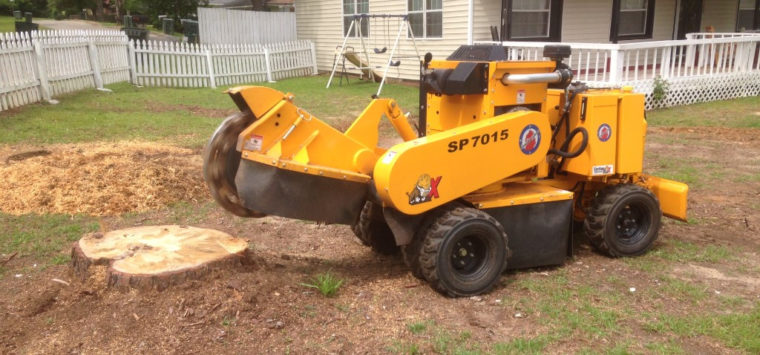
  • Stump Grinders: These machines are used primarily to grind down the stumps left after a tree is cut. They effectively reduce stumps to mulch, which can then be used as a natural ground cover or compost material.
  • Root Chippers: Designed to shred and chip roots into manageable pieces, these machines are great for clearing out dense areas. The chipping process not only makes disposal easier but also allows for the recycling of organic material back into the landscape.
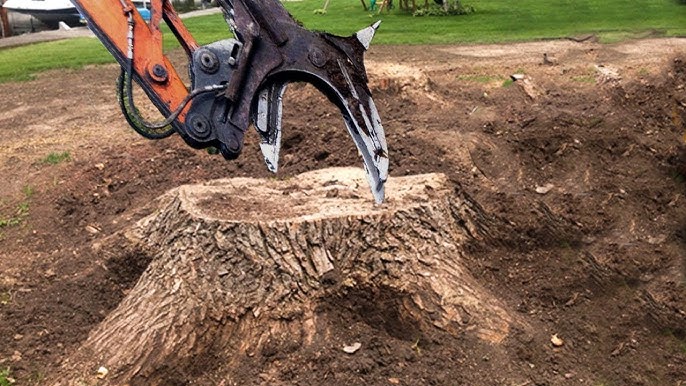
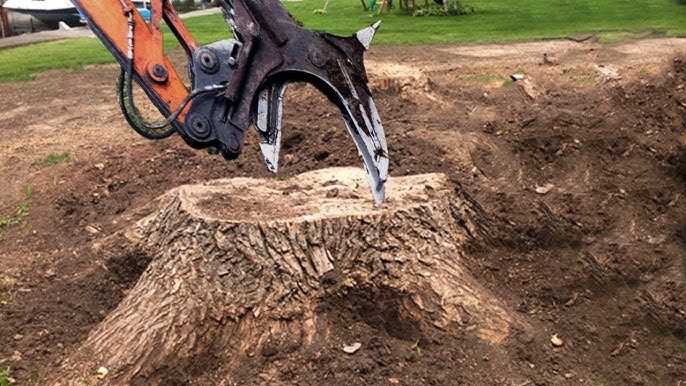
  • Excavators: Some landscape projects may benefit from larger excavating machines that can uproot trees and remove roots in one fell swoop. These machines are particularly useful for large-scale operations where multiple trees need to be removed quickly and efficiently.

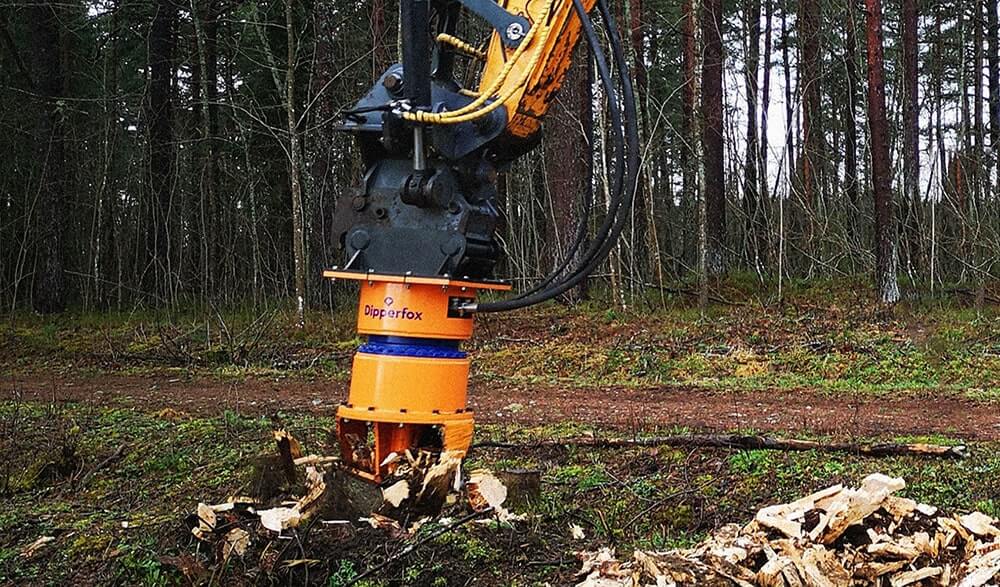
In addition to these common types, there are also specialized machines designed for specific tasks, such as mini-excavators that can navigate tight spaces or remote-controlled stump grinders that allow for operation in hard-to-reach areas. These innovations have expanded the capabilities of tree root removal machines, making them indispensable tools in both residential and commercial landscaping projects. Furthermore, as environmental considerations grow in importance, many manufacturers are focusing on creating more eco-friendly machines that reduce emissions and minimize soil disruption during the root removal process, aligning with sustainable landscaping practices.

tree root removal

Selecting the Right Tree Root Removal Machine

Choosing the right equipment involves considering various factors tailored to your specific needs. The efficacy and efficiency of the removal process heavily depend on making the right selection.

Factors to Consider When Choosing a Root Removal Machine

When on the hunt for an appropriate tree root removal machine, several key elements come into play:

  1. Size of the Roots/Stumps: Assess whether your project involves large stumps or just surface roots, as the machinery required can differ significantly.
  2. Type of Soil: The condition of the soil impacts how easily roots can be extracted; rockier soils may require more powerful machinery. Visit https://www.qld.gov.au/environment/land/management/soil/soil-testing/types to get detail about soil types.
  3. Budget: Determine how much you are willing to invest. Prices for machines range widely based on type and capability.

Pros and Cons of Various Tree Root Removal Machines

Understanding the merits and limitations of each machine type can aid in better decision-making:

  • Stump Grinders:
    • Pros: Efficient for grinding down stumps; offers a clean finish.
    • Cons: Not ideal for uprooting larger roots.
  • Root Chippers:
    • Pros: Effective for shredding and reducing large root masses.
    • Cons: Bulkier and may require more room to operate.
  • Excavators:
    • Pros: Versatile and can handle extensive jobs.
    • Cons: Higher operational costs and requires skilled handling.

Safety Measures in Using Tree Root Removal Machines

Utilizing tree root removal machines involves inherent risks. Therefore, ensuring your safety and that of others around you is of utmost importance.

Essential Safety Gear for Operating Root Removal Machines

Before operating any machinery, ensure you have the necessary safety gear:

  • Protective goggles: To shield your eyes from flying debris.
  • Hearing protection: To guard against the loud noises generated by machinery.
  • Sturdy gloves: To protect your hands from sharp edges and other hazards.
  • Steel-toed boots: To provide foot protection from falling objects.

Safety Guidelines for First-Time Users

If you are a first-time user of a root removal machine, keep the following safety guidelines in mind:

  • Read the machine’s manual thoroughly to familiarize yourself with its functions.
  • Ensure the area is clear of obstacles and people before starting the machine.
  • Maintain a safe distance from the operational area, and never leave the machine running unattended.

Maintenance and Care for Your Tree Root Removal Machine

Like any other piece of heavy equipment, tree root removal machines require regular maintenance to function optimally. Check out more about Hedge Trimming Services Sydney: Achieving a Neat and Beautiful Garden

tree root removal

Routine Maintenance Tips for Prolonging Machine Life

To ensure longevity and efficiency, adhere to these maintenance tips:

  • Regularly check and replace dull blades; sharp blades improve cutting efficiency.
  • Keep the machine clean, removing debris after each use to prevent rust and damage.
  • Check oil levels and change lubricants according to manufacturer guidelines.

Troubleshooting Common Issues with Root Removal Machines

Even with proper maintenance, machines may experience issues. Common problems include:

  • Engine difficulties: If the engine fails to start, check fuel levels and battery connections.
  • Overheating: If the machine overheats, allow it to cool down, and check for clogged vents.
  • Uneven cutting: Inspect the blades for wear and ensure they are sharpened regularly.

In conclusion, investing time in understanding tree root removal machines, their benefits, and best practices will enhance the growth and beauty of your landscape. Whether you choose to engage professionals or tackle the job yourself, being well-equipped with knowledge will ensure safe and effective removal of tree roots and stumps.