
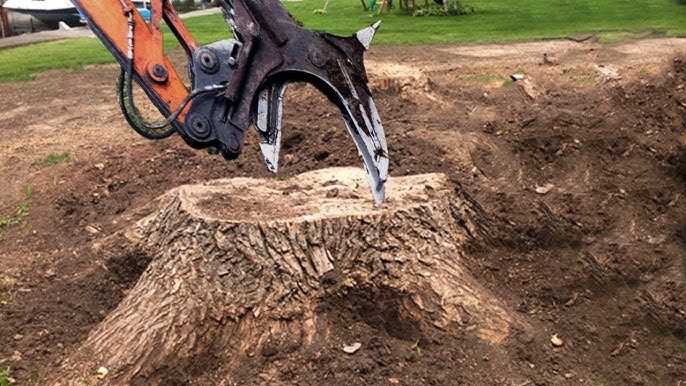

How Deep Professionals Go During Tree Stump Grinding
Tree stump grinding is more than just chipping away the remains of a felled tree. In Australia, as elsewhere, professional stump grinders dig deep-both literally and figuratively-to ensure safety, efficiency, and landscape restoration. In this detailed exploration we discuss the many facets of stump grinding, from the practical techniques and cutting-edge technologies to the market trends shaping the industry.
Whether you’re a homeowner assessing the need for stump removal or a landscaping professional seeking the latest insights, understanding the depth professionals go during tree stump grinding offers a comprehensive view of the task. We cover everything from the physical depth of grinding to the innovative strategies that guarantee more effective stump removal.
Understanding the Basics of Stump Grinding
What Is Stump Grinding?
Tree stump grinding is a process that involves chipping away at a tree stump using specialised machinery, rather than removing the entire root system. The goal is to reduce the stump to small wood chips that gradually decompose, leaving the ground clean and ready for new growth.
This method is favoured by professionals worldwide because it is faster and causes less damage to the surrounding area compared to traditional stump removal techniques. In Australia, many landscaping companies prefer stump grinding as a cost-effective and environmentally friendly solution.
Essential Equipment and Techniques
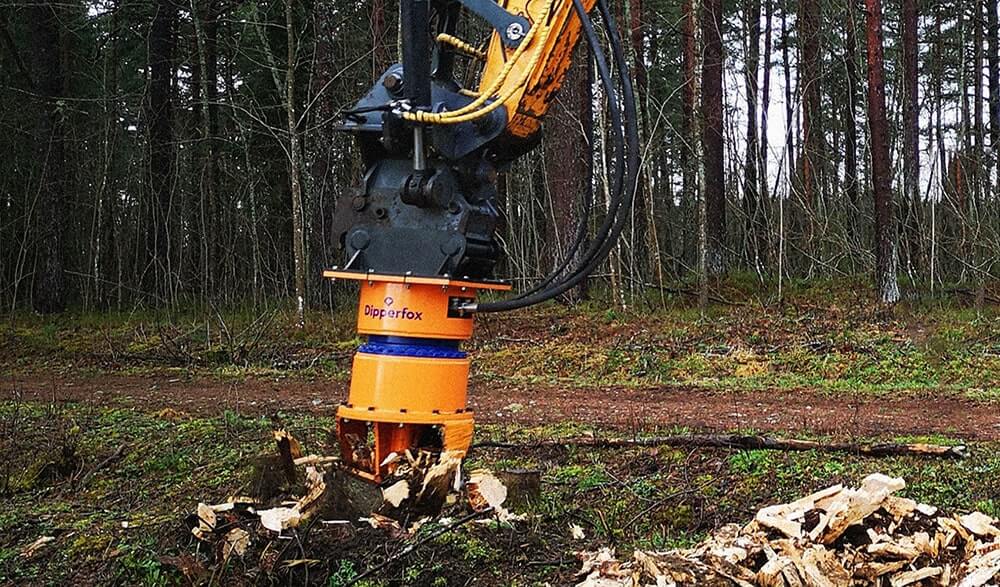
Modern stump grinders come equipped with a rotating cutting wheel with carbide teeth capable of cutting through tough wood. Some models, especially those used by savvy professionals in Australia, integrate advanced technology such as GPS mapping and AI-driven systems to enhance precision and safety.
The technology behind these machines is continually evolving. Improved cutting mechanisms and powerful engines make it possible to remove stumps more efficiently. In fact, technological advancements have meant that even large stumps can be ground down without taking excessive time or causing undue disturbance to the landscape.
Benefits of Stump Grinding Over Other Removal Methods
One of the main advantages of stump grinding is that it leaves the surrounding soil intact. This is particularly important in Australia where preserving the health of the land is paramount. The process minimises the risk of soil erosion and maintains the basic structure of your garden or property.
Additionally, stump grinding can make way for new installations such as patios, plant beds, or lawn areas without the need for extensive excavation work. With innovative equipment that efficiently tackles even the toughest stumps, the service has grown both in demand and in technological sophistication.
How Profoundly Deep Can Professionals Grind?
Factors Determining the Depth of Grinding
The depth to which a stump is ground typically depends on several factors. The size and age of the stump, the type of tree, and the equipment used all play a role. Professionals often aim to grind a stump to a level 4-6 inches below the ground surface, ensuring that roots are severed and the stump is fully buried.
Another important consideration is the intended use of the area post-grinding. If the ground is to be used for gardening or for laying a new lawn, the depth of grinding may be adjusted to preserve soil integrity and allow for proper regrowth. Thus, the depth is a fine balance between operational efficiency and long-term usability of the land.
The Role of Professional Expertise
Expertise is at the heart of effective stump grinding. Professional operators understand that merely grinding the visible part of the stump is not enough; residual roots can sprout or hinder future landscaping efforts. A skilled technician will ensure that the grind is deep enough to remove any remnants that may cause future issues.
Experience combined with modern machinery allows professionals to achieve an optimal grind. Their training means that they can adjust the depth based on both the characteristics of the stump and the requirements of the project, making their approach both flexible and thorough.
Challenges Faced During Deep Grinding
One of the primary challenges is dealing with stumps that have extensive root systems. These can be particularly stubborn and demand a high level of mechanical power. Additionally, the condition of the soil can affect the grinding process. Rocky or compacted ground may require additional effort to reach the desired depth.
Safety is another paramount challenge. Digging deep while ensuring stability of the surrounding environment requires a well-thought-out plan and adherence to safety protocols. In Australia, where diverse soil conditions and tree species abound, contractors need to be prepared for a variety of scenarios.
Technological Advancements and Their Impact on the Process
Integrating GPS and AI in Stump Grinding
Recent technological advancements have significantly boosted the efficiency of stump grinding operations. The integration of GPS and AI-driven systems into stump grinders can enhance the accuracy of the grind and reduce the risk of accidental damage to nearby infrastructure.
These technological improvements offer a level of precision that was once unattainable. By mapping the exact contours of a site, professionals can optimise each grinding session, ensuring that every millimetre is accounted for. The use of AI also helps in diagnosing resounding issues and streamlining the workflow.
Impact on Operational Efficiency
With improvements in mechanical design, stump grinders are now more potent and efficient. Powerful engines paired with innovative cutting wheels enable faster cycles, which is particularly relevant for extensive commercial projects. This means less time spent on each job and more efficient land turnover for development projects.
In industries where time is money, the efficiency gained by these technological advances cannot be overstated. Professionals can service more clients without compromising quality, and the reduction in labour-intensive work allows for a safer working environment.
Enhancing Safety and Reducing Environmental Impact
Safety is a core focus in stump grinding. The use of AI ensures that operators can better predict when and where a machine might encounter obstructions such as unexpected buried debris or particularly hard root masses. This advanced warning system helps to avoid accidents.
At the same time, these innovations contribute to a reduced environmental footprint. Precise grinding means less disruption to the soil structure and a more sustainable approach to land management. In Australia, where environmental regulations are stringent, these improvements align perfectly with sustainable best practices.
Market Trends and Growth Projections
The Current Size of the Global Stump Grinder Market
According to recent research, the global market for stump grinders was estimated at around $99.6 million in 2024. Although this figure may seem modest, it reflects a specialised niche where both demand and innovation are consistently growing.
Australian companies, along with global players, are increasingly adopting new technologies that enhance service quality and operational efficiency. As the market evolves, the integration of modern machinery and advanced technological systems remain a key driver of growth.
Growth Projections and Future Prospects
Projections indicate that the stump grinder market will reach approximately $116.7 million by 2030, growing at a CAGR of 2.7% from 2024 to 2030. Further into the future, some forecasts predict that global market value could soar, reaching up to $812.5 million by 2035, with a CAGR of 4.5% from 2025 onwards.
This steady growth reflects the increasing reliance on advanced machinery in landscaping and forestry. The adoption of innovations like AI-driven grinding systems will make these machines more effective, ensuring that the industry remains robust in the face of growing environmental and operational demands.
Market Competition and the Importance of Innovation
As the market expands, competition among suppliers has intensified. Companies are incentivised to invest in research and development, bringing forth improved cutting wheels, enhanced engine performance, and more efficient machine designs.
This competitive landscape benefits both professionals and end-users. With more companies offering cutting-edge solutions, the quality of service continues to rise, leading to faster turnaround times and cleaner, more effective stump removal. The consistent drive for innovation ensures that safety and precision remain at the forefront of every job.
Practical Considerations When Planning a Stump Grinding Project
Assessing the Site and Planning the Grind
A thorough assessment of the site is crucial before beginning any stump grinding project. Professionals examine the stump’s size, its location relative to structures, and the condition of the surrounding soil. In densely built areas, a careful plan is necessary to avoid damage to nearby utilities or landscape features.
Depending on the project’s scope, a detailed plan is drawn up. The plan will include an estimated depth of grind, potential obstacles, and the overall timeline. By taking these factors into account, operators ensure that each job is executed with minimal disruption and maximum long-term benefits.
Cost Implications and Budgeting
Budget is always a consideration. Stump grinding is generally more cost-effective than full stump removal or excavation, especially when advanced machinery is used. The integration of modern technology means that operators can complete jobs faster, reducing labour costs and minimising machine downtime.
Homeowners and property managers alike benefit from the competitive pricing driven by market dynamics. The steady growth in market size has pushed companies to offer better, more affordable services without compromising on quality or depth of work.
Timing and Seasonal Considerations
Timing can affect the grinding process. Certain times of the year are preferable for stump grinding, particularly when the ground is not overly wet. Excess moisture can make the process more challenging and sometimes less effective.
Many Australian professionals plan grinding projects during the drier months to ensure efficiency and safety. This seasonal planning not only optimises machine performance but also protects the surrounding landscape from unnecessary damage.
Environmental and Safety Aspects
Sustainable Practices in Stump Grinding
Environmental sustainability is increasingly significant in the landscaping and tree removal industry. By grinding stumps instead of exhibiting a full-scale dig-up, the process minimizes ground disturbance and helps maintain a stable ecosystem.
Professionals are also mindful of dust control and debris management during the grinding process. This integrated approach ensures that the work supports broader environmental objectives while still delivering excellent results for property owners.
Safety Procedures and Best Practices
Safety during stump grinding is critical. Operators must adhere to strict guidelines that cover everything from cutter operation to environmental protection measures. The use of integrated safety systems, especially those powered by AI, helps monitor potential hazards and reduce the risk of injury.
Regular maintenance of equipment, proper training, and thorough risk assessments form the backbone of safe stump grinding practices. These safety measures protect both the operator and the property, ensuring that every project is completed without incident.
Community and Regulatory Considerations
Compliance with local regulations is an important element of stump grinding. In Australia, councils and local government bodies set guidelines on noise, debris, and the permissible extent of ground-level work. Professional companies work closely with regulators to ensure that field operations meet all required standards.
Community awareness is also growing. Homeowners are increasingly informed about how stump grinding can be done safely and efficiently without causing long-term damage to their local environment. This alignment between community expectations and environmental responsibilities further underscores the importance of professional standards.
Advanced Techniques and Future Trends
Innovative Cutting Mechanisms
One of the most exciting trends in stump grinding is the development of advanced cutting mechanisms. Enhanced cutting wheels, engineered for higher efficiency and durability, allow operators to achieve deeper and more consistent results. These innovations enable even the most stubborn stumps to be ground down smoothly and thoroughly.
These improvements are not merely academic. They translate into tangible benefits, such as reduced operating times and lower overall costs. As research and development continue, expect to see even more refined machinery that pushes the boundaries of what traditional stump grinders can achieve.
Adapting to Varied Environmental Conditions
Advanced stump grinders are increasingly adaptable to diverse conditions. Whether dealing with rocky terrain, compacted soil, or remote bushland, modern equipment offers customisable settings to cater to the job at hand. The precision provided by AI integration means that even the smallest adjustments can be made in real time.
Many operators are now experimenting with different techniques based on local environmental data. This customisation means that stump grinding can be optimised for a particular zone, ensuring that each job contributes to the health of the local ecosystem. These environmentally adaptive practices represent the future of sustainable land management.
What Lies Ahead for the Industry?
Future trends point towards an even greater reliance on technology. The growing global market, expected to surge remarkably in the next decade, is set to see continued integration of smart systems and robotics in stump grinding. As market size forecasts suggest growth rates climbing steadily, professional operators will be in a strong position to adopt these new tools.
Increased investment in technology, research, and training is likely to propel the industry forward. In Australia, where innovation is prized and environmental management is key, the melding of technological expertise with traditional skills promises a bright future for stump grinding professionals.
The Practical Side of Stump Grinding Projects
Site Preparation and Initial Assessment
Before the stump grinder even starts its engine, a thorough site preparation is essential. This includes clearing debris, ensuring that the area around the stump is free from hazards, and, in some cases, protecting adjacent landscape features. Professionals conduct an initial survey to determine the most efficient and safest approach.
They consider aspects such as soil condition, proximity to utilities, and the overall layout of the area. A well-prepared site not only speeds up the process but also minimises the risk of complications. In Australia’s variable terrain, adaptability is key, and professional insights play a crucial role in effective preparation.
Execution: From Grinding to Clean-Up
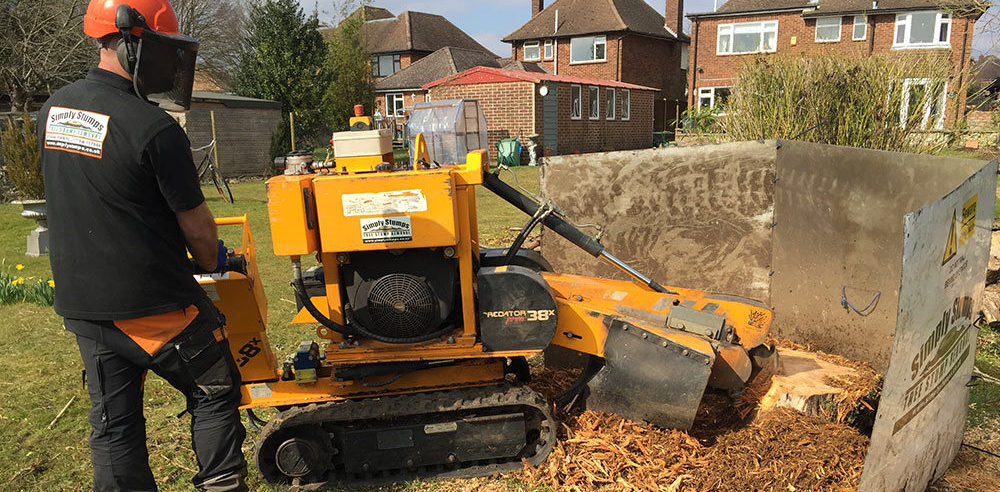
The actual grinding process is as much about precision as it is about power. Skilled operators carefully manoeuvre the stump grinder to ensure the stump is reduced to chips to the necessary depth. Every pass of the machine is planned out, with particular attention given to avoiding unnecessary damage to the surrounding landscape.
Once grinding is complete, the resulting wood chips are typically left on-site, where they can decompose naturally or be repurposed as mulch. A neat, clean finish is vital for homeowners planning further landscaping, as it ensures a smooth transition from stump removal to new installations or replanting.
Post-Project Considerations and Long-Term Care
After stump grinding, the ground may need some reconditioning. Professionals may recommend soil aeration, the addition of topsoil, or even planting new vegetation to restore the landscape’s functionality and aesthetics. This holistic approach ensures that the area is not only cleared of stumps but also revitalised for future growth.
Regular follow-up and maintenance can also help identify any issues that might arise post-grinding, such as unexpected regrowth or soil irregularities. A well-planned post-project strategy is as important as the grinding itself, ensuring that the benefits of the work are fully realised in the long term.
Insights from Industry Professionals
Experienced Operators Share Their Techniques
Seasoned stump grinders emphasise that achieving the right depth often involves a mix of technology and personal expertise. They recount experiences where adapting the machinery’s settings to suit the specific stump profile proved crucial.
These professionals often highlight that no two stumps are exactly alike. Factors such as tree species, stump age, and environmental conditions require a tailored approach. Their insights underscore the importance of a flexible, hands-on method that utilises modern technology while still relying on years of practical know-how.
Training and Certification in an Evolving Industry
Many operators now undergo specialised training and certification programmes to stay abreast of the latest in technology and safety standards. Regular workshops, online training modules, and hands-on field exercises are part of the professional development process.
Such training not only improves the precision of the grinding operation but also enhances overall safety and efficiency. As the industry evolves, continued education becomes a key component of maintaining high standards and ensuring best practices in every project.
Customer Experiences and Expectations
Feedback from homeowners and property managers reinforces the value of a deep, comprehensive grind. Customers often appreciate that a thorough stump grinding service takes away the risk of partial regrowth, which could disrupt future landscaping plans.
These testimonials emphasise that modern stump grinding is a blend of age-old techniques and breakthrough technology. For many, knowing that professionals have taken the necessary steps to remove the stump completely and safely makes all the difference.
More to Read : What to Ask Before Booking a Stump Removal Near Me Service
