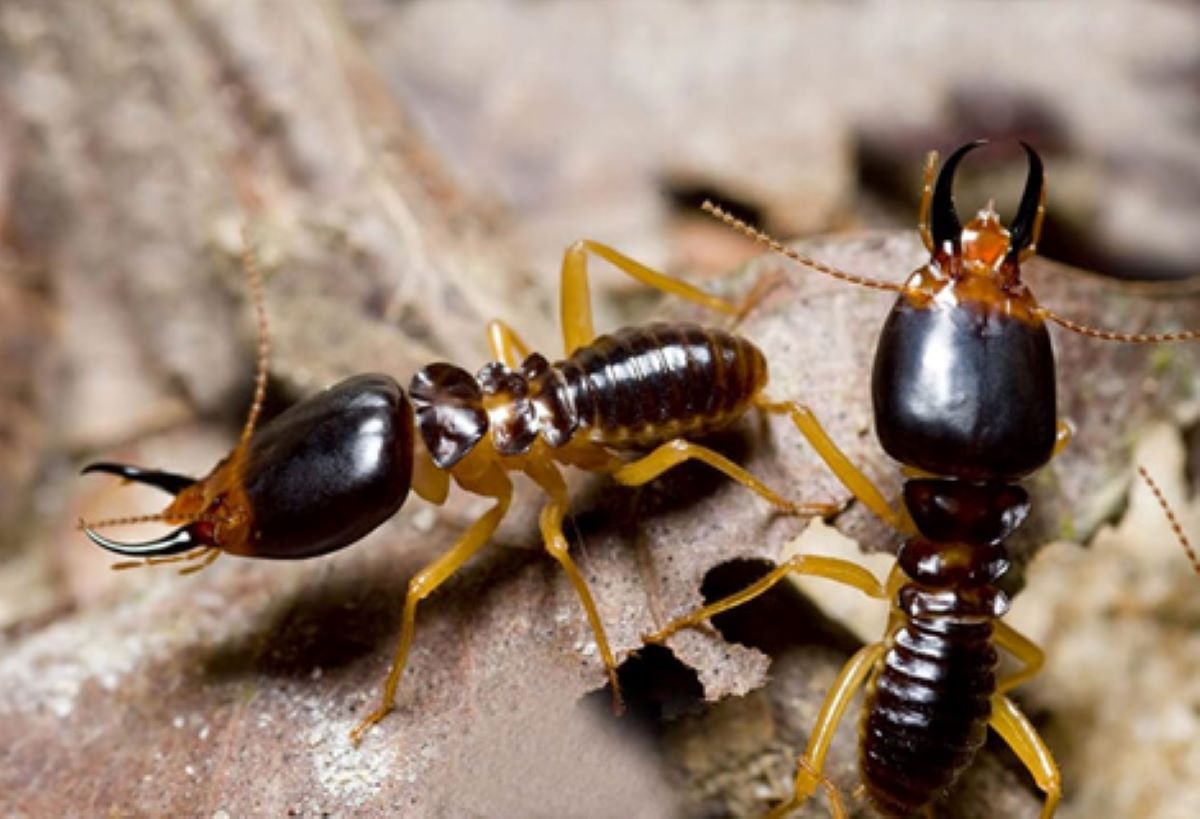

Termites are common in many Sydney suburbs, and damage can stay hidden for months. That is why most homeowners focus less on the cheapest quote and more on whether the treatment actually stops the colony and protects the property long term.
What does termite treatment typically cost in Sydney?
In termite treatment Sydney, termite treatment often falls roughly between $300 and $3,500+, depending on the method and property conditions. Localised spot treatments tend to be cheaper, while comprehensive barrier systems and baiting programs cost more.
In termite treatment Sydney, prices vary because termite work is not a one size fits all service. The technician is pricing the time on site, the products used, the size and layout of the structure, and how likely termites are to re enter.
Why do termite treatment prices vary so much?
They vary because termite jobs are priced around risk and access, not just the chemical used. A single active area in an accessible spot is very different from a widespread infestation under a slab or behind finished walls.
Key factors include the type of termites, how much of the building they have reached, whether the subfloor is accessible, soil conditions, garden beds against walls, drainage issues, and how easily a continuous barrier can be installed around the home.
How much does a termite inspection cost in Sydney?
A termite inspection in Sydney commonly costs $150 to $350 for a standard residential property. Some providers discount an inspection if treatment is booked, while others keep it separate to avoid any conflict of interest.
Inspections matter because treatment without proper detection can miss the main activity areas. A good inspection also identifies entry points, moisture problems, and conditions that make the property attractive to termites.
What are the common termite treatment options and their price ranges?
Most Sydney providers offer a mix of chemical barriers, baiting, and foam or dust applications. Each option fits different situations, and that drives cost.
Typical ranges seen across residential jobs include:
- Spot treatment (foam, dust, localized chemical): $300 to $900
- Chemical perimeter barrier (soil treatment): $1,500 to $3,500+
- Baiting program (install plus monitoring): $1,200 to $3,000+ in the first year
- Ongoing bait station monitoring: $300 to $800+ per year depending on station count and visit frequency
A property with difficult access, extensive paving, or high risk landscaping may sit at the higher end because it takes more labour to do correctly.
What usually costs more: chemical barriers or baiting?
A full chemical barrier often has a higher upfront price, while baiting can be similar or higher over time due to monitoring fees. Chemical barriers aim to create a treated zone around or under the structure, whereas baiting relies on termites feeding and sharing the bait through the colony.
They are not always either or. Many homes use barriers for immediate protection and baiting where a barrier cannot be installed continuously.
Are there hidden costs they should ask about?
Yes, and asking early prevents quote shock. The main hidden costs are usually access related, not product related.
They should ask whether the quote includes drilling through concrete paths, patios, or internal slab areas, patching, follow up visits, warranties, bait station monitoring, and any additional work needed to fix conducive conditions like leaking pipes, blocked subfloor vents, or soil and garden beds bridging weep holes.
How long does termite treatment last in Sydney conditions?
Most professional treatments are designed to be long lasting, but longevity depends on method and site conditions. Chemical barriers may last for years, while baiting is an ongoing program that works as long as stations are maintained.
Sydney weather, landscaping, renovations, and drainage can all reduce effectiveness. That is why many providers recommend annual inspections even after successful treatment.
Is termite treatment worth it compared to the cost of repairs?
In most cases, yes, because termite damage repairs can easily exceed the treatment cost. Structural timber replacement, wall repairs, flooring work, and repainting can add up fast, especially if damage spreads before detection.
Treatment is also about preventing future loss. Even if they fix visible damage, an untreated or poorly protected property can be reinfested, which means paying twice: once for repairs and again for treatment later.
What signs suggest they should treat immediately rather than wait?
They should treat immediately if there is any evidence of active termites or a high likelihood of ongoing activity. Waiting often means more hidden damage and a larger colony to eliminate.
Common urgent signs include mud tubes, soft or hollow sounding timber, blistered paint, tight doors or windows from warping, discarded wings near windows, and any inspection report that confirms activity or high risk entry points.
How can they make termite treatment more cost effective?
The best way to reduce cost is to make the property easier to protect and less attractive to termites. That lowers both the complexity of treatment and the chance of recurrence.
They can improve value by clearing soil and mulch away from walls, keeping weep holes visible, fixing leaks, improving drainage, ensuring subfloor ventilation, storing timber away from the house, and booking regular inspections so problems are caught early when treatment is simpler.
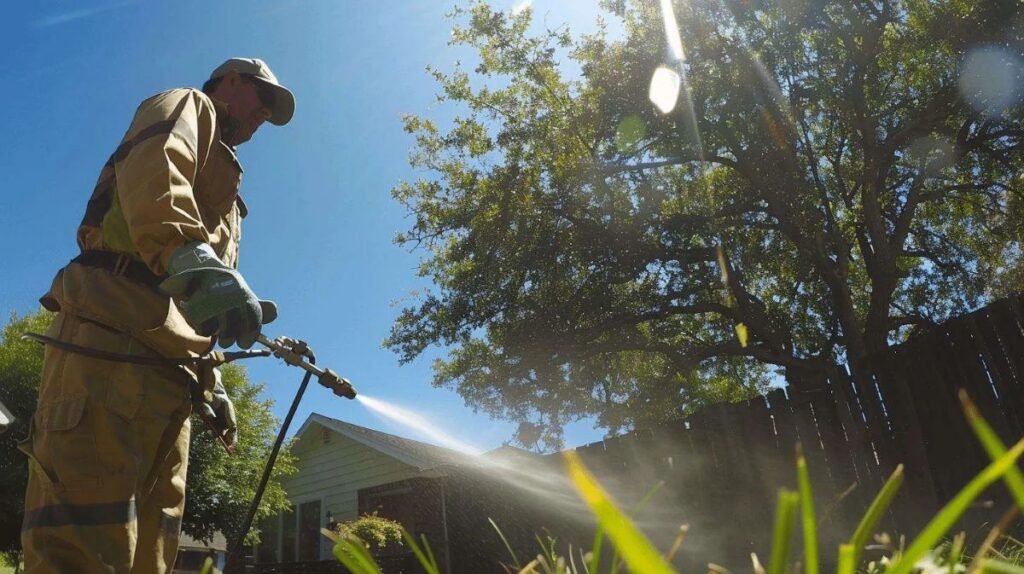
What should they look for in a Sydney termite treatment provider?
They should look for evidence based recommendations, clear scope, and a plan that matches the building type. A reliable provider explains why a method is chosen, what it does and does not cover, and how they will confirm success.
They should also check licensing, insurance, the written warranty terms, what follow up is included, and whether the provider is recommending property changes to reduce risk rather than selling treatment alone.
So, how much does termite treatment Sydney cost and is it worth it?
Termite treatment in Sydney typically costs hundreds to a few thousand dollars, with the exact price driven by access, infestation extent, and the chosen method. It is usually worth it because the financial downside of untreated termites is far larger than the cost of doing proper treatment and ongoing inspections.
If they want the best outcome, they should treat quickly, choose a method that fits the structure, and keep up annual inspections to protect the investment over time.
More to Read : Mouse Removal Sydney: Top Tips to Keep Your Home Pest-Free
FAQs (Frequently Asked Questions)
What is the typical cost range for termite treatment in Sydney?
Termite treatment in Sydney usually costs between $300 and $3,500+, depending on the treatment method, property size, infestation severity, and access conditions. Localised spot treatments are on the lower end, while comprehensive barrier systems and baiting programs can be more expensive.
Why do termite treatment prices vary so much in Sydney?
Prices vary because termite treatments are priced based on risk factors and site access rather than just the chemicals used. Factors influencing cost include the type of termites, extent of infestation, subfloor accessibility, soil conditions, garden proximity to walls, drainage issues, and feasibility of installing continuous barriers around the home.
How much does a termite inspection typically cost in Sydney?
A standard termite inspection in Sydney generally costs between $150 and $350. Some providers offer discounts if treatment is booked simultaneously, while others keep inspection fees separate to avoid conflicts of interest. Inspections are vital to identify active termite areas, entry points, moisture problems, and conditions that attract termites.
What are common termite treatment options available in Sydney and their price ranges?
Common treatment options include spot treatments (foam, dust, localized chemicals) costing $300 to $900; chemical perimeter barriers (soil treatments) ranging from $1,500 to $3,500+; baiting programs including installation and monitoring priced at $1,200 to $3,000+ for the first year; and ongoing bait station monitoring costing $300 to $800+ annually depending on station count and visit frequency.
Is chemical barrier treatment more expensive than baiting programs?
Typically, chemical barrier treatments have a higher upfront cost due to creating a treated zone around or under the structure. Baiting programs may have similar or higher long-term costs because of ongoing monitoring fees. Many homes use a combination—barriers for immediate protection and baiting where continuous barriers can’t be installed.
Are there hidden costs associated with termite treatment that homeowners should be aware of?
Yes. Hidden costs often relate to site access rather than products. Homeowners should ask if quotes include drilling through concrete paths or slabs, patching work, follow-up visits, warranties, bait station monitoring fees, and additional repairs needed to fix conducive conditions like leaking pipes or blocked subfloor vents to prevent reinfestation.