


Mouse Removal Sydney: Top Tips to Keep Your Home Pest-Free
What are the first signs of mice in a Sydney home?
They usually notice droppings first, often along skirting boards, inside cupboards, or under sinks. Scratching in walls at night, chewed food packaging, and a musty “urine” smell are also common early clues.
They should also look for grease marks along edges where mice travel repeatedly. Shredded paper or fabric in quiet corners can signal nesting.
Why do mice keep coming back even after they’ve “gone”?
They often return in cases requiring mouse removal Sydney because entry points were never sealed, or food and water sources stayed available. Mice follow scent trails, and a single missed gap can reopen the problem.
They also breed quickly. If even a small number remain after mouse removal Sydney, the issue can appear “gone” for a week or two and then surge again.
Where do mice typically enter Sydney houses?
They commonly slip in through gaps under doors, broken vents, weep holes, and cracks around pipes. Roof spaces and garages are frequent access points, especially where weather stripping is worn.
They should assume a mouse can fit through a hole about the size of a 10-cent coin. That includes tiny gaps around NBN cables, air-con lines, and laundry plumbing.
How can they mouse-proof the home without major renovations?
They can start by sealing gaps with steel wool plus sealant, or using metal mesh for vents and weep holes. Door sweeps, draft stoppers, and repairing damaged weather seals usually make a big difference.
They should prioritise the kitchen, pantry, garage, and roof access areas first. These are the highest-traffic zones for rodents.
What cleaning and storage habits reduce mouse activity the most?
They should store all dry foods in hard, airtight containers, not packets or thin plastic tubs. Benchtops should be cleared nightly, and crumbs under appliances should be cleaned regularly.
Bins need tight lids, and pet food should not be left out overnight. Even small, consistent food sources can keep mice active in the same property.
Which outdoor changes help prevent mice indoors?
They can trim vegetation away from exterior walls and keep wood piles off the ground. Compost bins should be sealed, and fallen fruit should be removed quickly.
They should also reduce clutter in sheds and garages, because stored cardboard and fabric make easy nesting material. A tidy perimeter makes the home harder to access and less attractive.
Other Resources : Pest control in the home
Do traps or baits work better for mouse removal in Sydney?
Traps work well for quick confirmation and targeted removal, especially in smaller infestations. Baits can be effective, but they require careful placement and risk management, particularly around children, pets, and wildlife.
They should avoid random baiting without a plan. Poor bait placement can lead to bait shyness, lingering odours from inaccessible carcasses, or ongoing activity that never fully stops.
Where should they place traps for the best results?
They should place traps along walls, behind appliances, inside cupboards, and near obvious droppings. Mice rarely run through open spaces, so traps placed in the middle of a room often underperform.
They should use multiple traps at once. One or two traps rarely match the pace of an active infestation, especially in roof voids or garages.
When should they call a professional mouse removal service in Sydney?
They should call a professional if there are repeated sightings, heavy droppings, scratching in roof spaces, or signs the problem keeps returning. Professional technicians typically combine inspection, removal, and proofing guidance to stop the cycle.
They should also seek help if baiting is being considered in a complex property. A trained approach reduces risk and usually resolves the issue faster.
What should they expect from a proper mouse removal visit?
They should expect a structured inspection that identifies entry points, nesting zones, and activity trails. A good service will recommend a removal strategy, then outline proofing and hygiene actions that prevent re-entry.
They should also expect clear safety advice, especially if bait stations are used. Follow-up guidance matters because mouse control is rarely a one-step job. Learn more about how much does termite treatment Sydney cost and is it worth it?
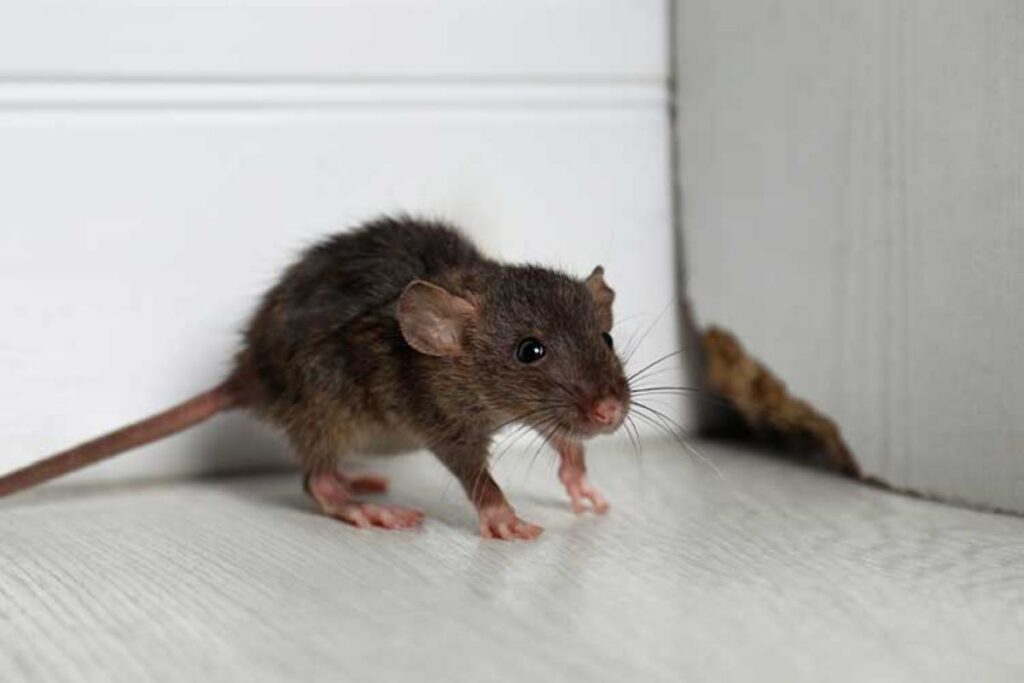
How can they keep the home pest-free after mouse removal?
They can maintain a simple routine: seal new gaps quickly, keep food sealed, reduce clutter, and monitor high-risk areas like garages and pantries. A monthly check for droppings, chew marks, and new holes often catches issues early.
They should also treat mouse-proofing as ongoing maintenance, not a one-time fix. In Sydney, changing weather and building movement can reopen small access points over time.
FAQs (Frequently Asked Questions)
What are the early signs of a mouse infestation in Sydney homes?
Early signs include finding droppings along skirting boards, inside cupboards, or under sinks, hearing scratching noises in walls at night, noticing chewed food packaging, detecting a musty urine smell, observing grease marks where mice travel repeatedly, and spotting shredded paper or fabric in quiet corners indicating nesting.
Why do mice keep returning to Sydney homes even after initial removal?
Mice often return because entry points remain unsealed and food or water sources are still accessible. They follow scent trails, so even a small missed gap can allow re-entry. Additionally, their rapid breeding means a few remaining mice can cause the problem to resurge after appearing gone for a short period.
How do mice typically enter houses in Sydney?
Mice commonly enter through gaps under doors, broken vents, weep holes, cracks around pipes, roof spaces, and garages—especially where weather stripping is worn. They can squeeze through holes as small as a 10-cent coin, including tiny gaps around NBN cables, air-conditioning lines, and laundry plumbing.
What effective mouse-proofing methods can Sydney homeowners use without major renovations?
Homeowners can seal gaps with steel wool combined with sealant or use metal mesh for vents and weep holes. Installing door sweeps, draft stoppers, and repairing damaged weather seals significantly helps. Focusing on high-traffic areas like the kitchen, pantry, garage, and roof access points is essential for effective prevention.
Which cleaning and storage habits help reduce mouse activity in Sydney homes?
Storing dry foods in hard, airtight containers instead of packets or thin plastic tubs is crucial. Clearing benchtops nightly and regularly cleaning crumbs under appliances prevent attraction. Using bins with tight lids and avoiding leaving pet food out overnight also minimize food sources that sustain mice.
When should Sydney residents seek professional mouse removal services?
Professional help is recommended if there are repeated sightings, heavy droppings, scratching noises in roof spaces, or persistent recurring problems. Professionals provide thorough inspections, removal strategies, proofing guidance to stop re-entry cycles, and safe baiting practices especially important in complex properties with children or pets.
