Better Biz Ideas Buyer Agency

tree pruning services

Tree Pruning Services in Sydney: What’s Included in a Standard Job?

What does a “standard” tree pruning job usually cover?

Most tree pruning services in Sydney include an on-site assessment, a clear pruning plan, safe cutting, and full clean-up. They typically aim to remove dead, damaged, or risky growth while keeping the tree’s shape natural.

A standard job often includes basic crown cleaning and light to moderate reduction, where appropriate. It usually does not include full tree removal unless agreed as a separate scope.

How do they assess the tree before cutting anything?

Before starting, tree pruning services in Sydney generally inspect the tree’s structure, health, and hazards. They look for deadwood, cracks, limb unions, pest issues, and branches interfering with buildings, power lines, or pathways.

They also assess access for climbing or machinery and identify drop zones. This step guides how much pruning is safe without stressing the tree.

Which pruning cuts are normally included?

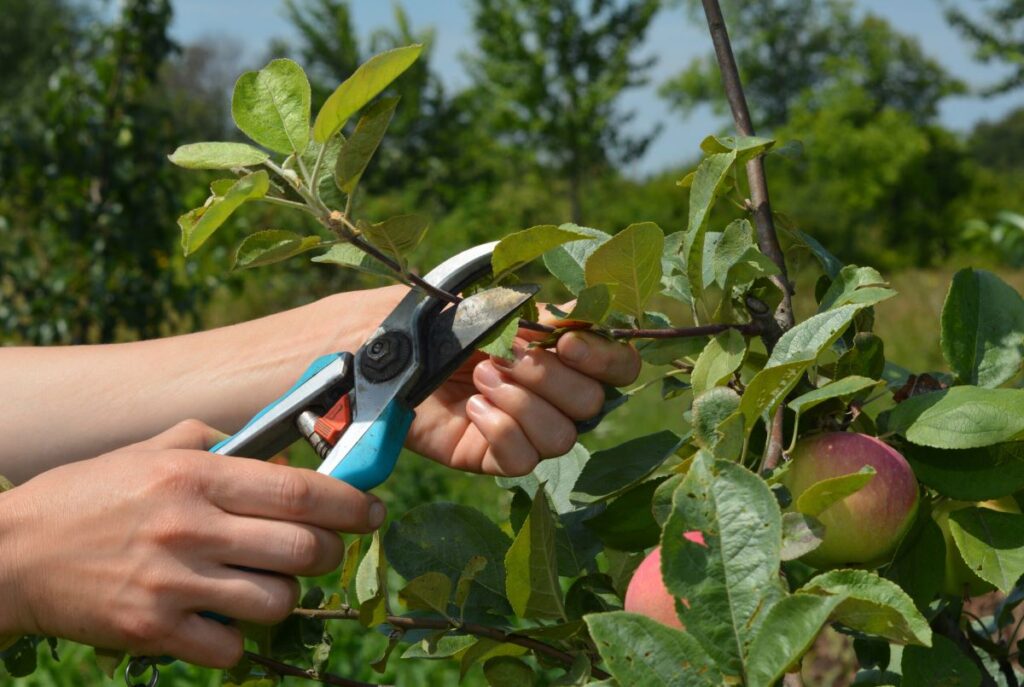
In most cases, tree pruning services in Sydney include targeted cuts like deadwood removal, selective thinning, and clearance pruning. The goal is to reduce risk and improve canopy condition without over-pruning.

They may remove crossing branches, weak attachments, or limbs rubbing on structures. Good operators avoid topping and focus on correct pruning points to support healthy regrowth.

Do standard services include shaping and canopy reduction?

Many tree pruning services in Sydney include light shaping to maintain a balanced canopy, especially for ornamental trees or those close to structures. If reduction is needed, it is usually modest and done to reduce weight and wind load.

Heavier reductions may be quoted separately, particularly if the tree is large, protected, or already stressed. The provider should explain what is realistic for the species.

How do they handle safety, traffic, and property protection?

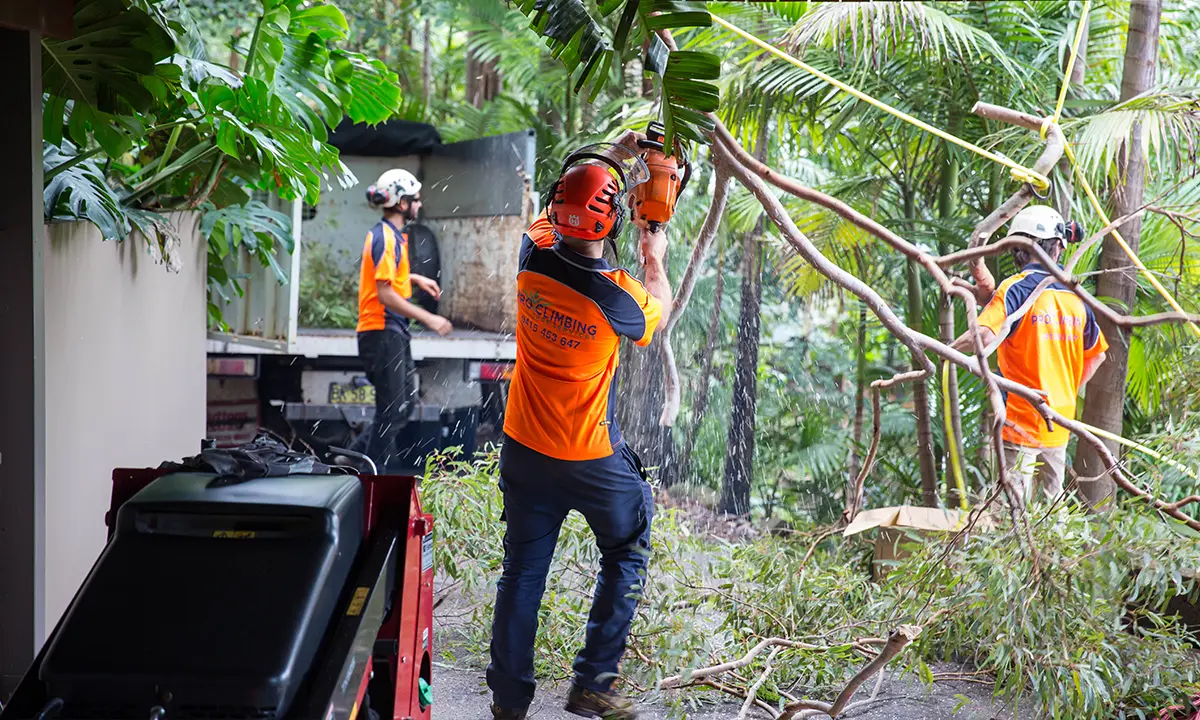
Professional tree pruning services in Sydney usually set up the work zone to protect people and property. This can include cones, barricades, spotters, and controlled lowering of branches with ropes.

They typically protect gardens, fences, roofs, and nearby vehicles where possible. If a branch must be rigged down, that is often part of the standard method for tighter suburban sites.

Will they remove green waste and leave the site clean?

Yes, most tree pruning services in Sydney include clean-up as part of a standard job. That normally means chipping small branches, stacking timber as agreed, and raking or blowing debris from lawns, paths, and driveways.

Some clients ask to keep mulch or firewood. If so, the team will usually place it where requested, as long as access allows.

Do they provide advice on ongoing tree care?

Many tree pruning services in Sydney offer basic aftercare advice, such as when to water, what regrowth to expect, and when a follow-up prune may be needed. They may also flag issues like decay, termites, or root problems they noticed during the job.

This guidance is often informal but useful. A good provider will explain what was cut and why. You may like to visit https://betterbizideas.com/stump-grinding-vs-stump-removal-sydney-homeowners/ to learn more about stump grinding vs stump removal and which option Sydney homeowners should choose.

Are council rules or permits part of the standard service?

Some tree pruning services in Sydney can help clients understand whether a tree is protected and what approvals may be required. However, permits and arborist reports are not always included in a standard prune price.

If council approval is needed, it is usually treated as an add-on service. Clients should ask whether applications, photos, or documentation are included.
tree pruning services

What is usually excluded from a “standard” pruning job?

Even with reputable tree pruning services in Sydney, a standard job may exclude stump grinding, major crane work, complex powerline clearance, or removal of large trunks unless specified. Pest treatment, root barrier installation, and soil improvement are also typically outside scope.

If access is difficult, extra machinery or labour may change the quote. The clearest sign of quality is a written scope that spells out inclusions and exclusions.

How can clients tell if they are getting a proper standard service?

The best tree pruning services in Sydney outline the scope in plain language and explain the pruning approach. They should be willing to discuss how much canopy will be removed and how the tree will look afterwards.

A professional standard job is organised, safety-first, and tidy at the end. If the provider cannot explain the plan, that is usually a sign to keep looking.


hills district air conditioning

Hills District Air Conditioning: A Real-Estate Guide to Comfort, Efficiency, and Buyer Appeal

Why does Hills District air conditioning matter so much to property buyers?

It matters because it changes daily comfort and perceived value straight away. Buyers often treat Hills District air conditioning as a “must-have” during warmer months, especially in family homes with multiple living zones.

It also reduces uncertainty. When buyers see effective cooling already installed, they worry less about future costs, trades, delays, and whether the home will feel comfortable year-round.

Which system types best suit Hills homes and floorplans?

The best choice depends on layout, ceiling height, glazing, and how the household uses the home. In many listings, ducted systems appeal for whole-house coverage, while split systems suit smaller homes, renovations, or targeted zones like bedrooms and living areas.

From a resale perspective, Hills District air conditioning that matches the home’s size and zoning needs tends to present as intentional and “done properly”, rather than a quick add-on.

How can sellers use Hills District air conditioning to lift buyer appeal?

Sellers can treat it as a headline feature, but only if it performs well. Clean filters, quiet operation, responsive thermostats, and strong airflow make inspections feel better, which can subtly raise urgency and confidence.

Marketing also matters. Listing descriptions that mention zoning, recent servicing, or inverter efficiency can make Hills District air conditioning feel like a premium inclusion, not just a basic appliance. “

What efficiency signals do buyers and building inspectors look for?

They look for signs the system is right-sized, well-maintained, and economical to run. Service history, modern controls, and sensible zoning are all reassuring because they suggest fewer surprises after settlement.

If Hills District air conditioning appears older, buyers may start mentally discounting for replacement. If it appears modern and maintained, they are more likely to accept the home’s pricing with less resistance.

Does installation quality affect valuations and negotiations?

Yes, because visible quality reduces risk. Neat outdoor unit placement, clean pipework runs, correct drainage, and compliant electrical work help buyers feel the home has been cared for.

Poor placement or noisy operation can do the opposite. In negotiations, Hills District air conditioning that needs obvious work can become a bargaining tool, even if the rest of the home is presented well.

What should buyers check during an open home or private inspection?

They should test the system, listen for rattles, and confirm airflow in key rooms. They should also look for stains near indoor units, check for musty smells, and ask when it was last serviced.

If they cannot verify performance, they may assume future expense. If Hills District air conditioning is demonstrated confidently, it can strengthen emotional attachment during the inspection.

How does zoning influence comfort and running costs?

Zoning matters because households rarely use every room at once. A zoned setup can cool living areas during the day and bedrooms at night, limiting wasted energy.

For larger homes, Hills District air conditioning with zoning often reads as a thoughtful upgrade that fits real family routines. That can translate into stronger buyer confidence about ongoing affordability.

When is it smarter to repair, service, or replace before selling?

If the system is underperforming, a service is often the simplest win. Cleaning, refrigerant checks, and minor repairs can improve airflow and reduce noise, which helps first impressions.

Replacement makes sense when the system is near end-of-life or visibly dated and unreliable. In that scenario, upgrading Hills District air conditioning can prevent discounting and reduce buyer objections during contract discussions.

hills district air conditioning

How should agents describe air conditioning without overpromising?

They should stick to verifiable details such as system type, zones, controller features, and service dates. If buyers ask about running costs, it is safer to discuss general efficiency features rather than exact bills.

Clear, factual language keeps trust high. When presented correctly, Hills District air conditioning becomes a tangible comfort feature that supports the home’s overall positioning. Check out more about Beaumont Air Conditioning Solutions.

What is the simplest takeaway for maximising comfort and resale impact?

A well-matched system that performs quietly and efficiently tends to support stronger buyer sentiment. Routine servicing, clear documentation, and honest marketing can make it feel like a dependable inclusion rather than a future chore.

In short, Hills District air conditioning is not just about temperature. It is about confidence, comfort, and the sense that the home is ready to live in from day one.

More to Read : Air Conditioning Service Blacktown: Top 5 Signs Your Cooling System Needs Attention

Air conditioning

Air Conditioning Service Blacktown: Top 5 Signs Your Cooling System Needs Attention

This guide covers five clear symptoms that usually mean it is time for an air conditioning service Blacktown technicians would recommend, plus what they can do next.

Is the airflow suddenly weak or uneven?

Weak airflow usually means the system is struggling to move air through the ducts or indoor unit. They may notice some rooms feel fine while others stay warm, even with the thermostat turned down.

Common causes include clogged filters, blocked vents, a failing fan motor, or duct leaks. An air conditioning service Blacktown specialist can test airflow, clean or replace filters, and confirm whether the issue is mechanical or duct-related.

Are there unusual noises that were not there before?

Rattling, grinding, buzzing, or squealing noises are rarely “normal”. They often point to loose parts, worn bearings, an off-balance fan, or electrical components starting to fail.

If they ignore it, a small part can turn into a major repair. Booking an air conditioning service Blacktown appointment early lets a technician tighten fittings, lubricate moving components, and identify failing parts before they cause damage. To better understand preventive maintenance, common system faults, and professional repair options available in the area, homeowners and businesses can learn more about local air conditioning services more through experienced technicians who specialise in Blacktown systems.

Does the system smell musty, burnt, or chemical?

A musty smell often suggests moisture and mould around the indoor coil or drain line. A burnt smell can indicate overheated wiring or a motor issue, while a chemical-like odour may be linked to refrigerant problems.

Because smells can signal health or safety risks, they should stop running the unit and arrange an air conditioning service Blacktown inspection. During an air conditioning service Blacktown visit, a technician can clean internal components, clear drains, and check electrical and refrigerant systems.

Are energy bills rising even though usage has not changed?

If bills climb without a heatwave or longer run times, the system may be losing efficiency. Dirty coils, blocked filters, incorrect refrigerant levels, and ageing components all force the unit to work harder to cool the same space.

They can confirm the cause by comparing current performance to earlier seasons. An air conditioning service Blacktown check-up typically includes cleaning, testing, and tuning, which often restores efficiency and reduces unnecessary power draw.

Is it short cycling, struggling to reach temperature, or blowing warm air?

Short cycling means the unit turns on and off frequently, which increases wear and reduces comfort. They might also notice it never quite reaches the set temperature, or it blows warm air for long periods.

Possible causes include thermostat issues, dirty components, refrigerant faults, or compressor problems. An air conditioning service Blacktown technician can run diagnostics, check temperature split, test controls, and confirm whether it is a simple maintenance fix or a repair. Check out more about heating and cooling.

What should they do before booking a technician?

They can try a few quick checks, but they should avoid poking inside the unit. First, ensure the thermostat is set to “cool” with a sensible set point, check the filter, and confirm outdoor vents are clear of debris.

If the problem persists, it is time to book an air conditioning service Blacktown team. Regular air conditioning service Blacktown maintenance also helps prevent these issues in the first place, especially before peak summer demand.

Air conditioning

How often should they schedule servicing to avoid surprises?

Most systems benefit from at least annual servicing, and some households prefer a pre-summer check plus a lighter mid-season clean. Properties with pets, heavy use, or dusty conditions may need more frequent attention.

By planning an air conditioning service Blacktown visit on a routine schedule, they reduce breakdown risk, protect efficiency, and extend equipment life. A consistent air conditioning service Blacktown routine also helps catch small faults before they become expensive repairs.

Why does acting early matter so much?

Small symptoms often have simple fixes, but delays can damage motors, compressors, and control boards. Early action can also improve indoor air quality and keep the home consistently comfortable.

When they spot any of the five signs above, booking an air conditioning service Blacktown assessment is usually the most cost-effective next step. In many cases, one well-timed air conditioning service Blacktown visit can restore performance before the hottest days arrive.

Related : Hills District Air Conditioning: A Real-Estate Guide to Comfort, Efficiency, and Buyer Appeal

tree and stump removal

Stump Grinding vs Stump Removal: Which Should Sydney Homeowners Choose?

They should start by asking one simple question: do they need the stump gone below ground for building or planting, or do they just want the visible stump removed fast and clean? That one detail usually decides stump grinding vs stump removal.

What is stump grinding vs stump removal, in plain terms?

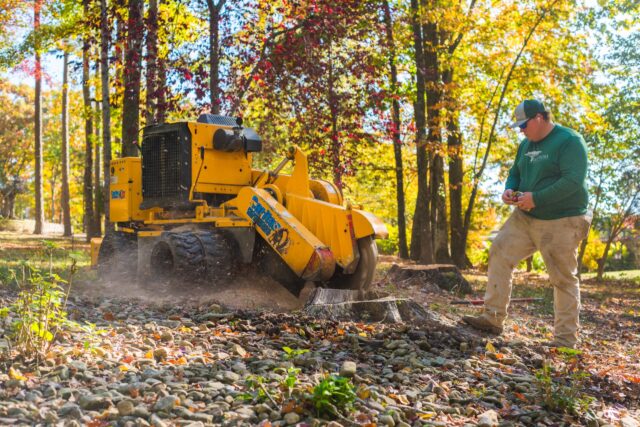
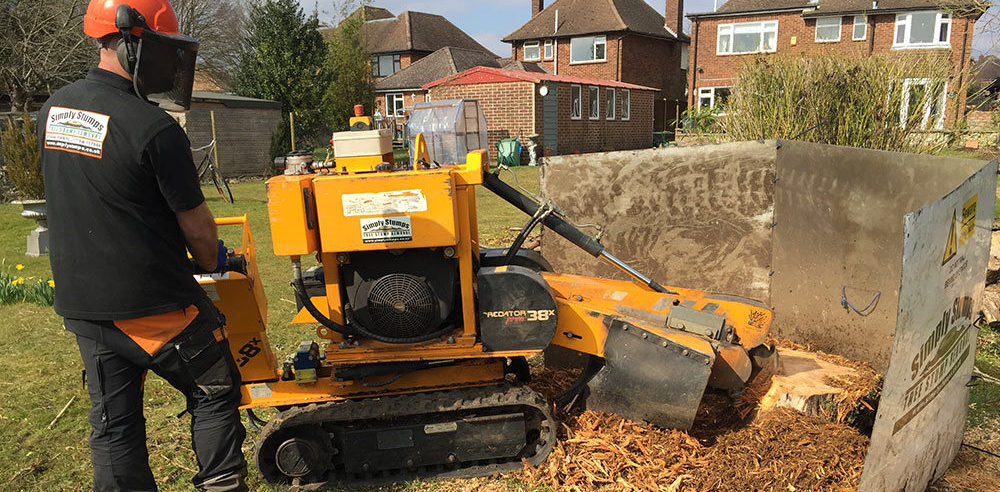
Stump grinding vs tree and stump removal describes two different ways to deal with what’s left after a tree is cut down. Grinding shaves the stump down with a machine until it sits below the surface, while removal extracts the stump and main roots from the ground.

For many households, stump grinding vs stump removal is a choice between speed and minimal mess (grinding) versus total extraction for future works (removal).

When does stump grinding make more sense for Sydney backyards?

Stump grinding usually makes sense when they want the stump gone quickly without tearing up the lawn. It is commonly chosen for suburban blocks where access is tight and the homeowner wants to keep surrounding landscaping intact.

In stump grinding vs stump removal decisions, grinding often suits those who are not planning to excavate, build, or replant deep-rooted trees in the exact spot.

When is stump removal the better option?

Stump removal is often the better option when they need the ground cleared for construction, retaining walls, new driveways, or deep planting. Because it pulls the root plate out, it can prevent future issues where roots interfere with foundations, pipes, or paving.

In stump grinding vs stump removal, removal is usually chosen when “no roots left behind” is the priority and they are comfortable with more soil disturbance.

How do cost and time compare between the two?

Stump grinding is typically faster and often cheaper for a single stump, especially when access is straightforward. Removal can cost more because it involves heavier digging, more labour, and usually more waste to haul away.

For stump grinding vs stump removal, they should ask for an on-site quote because stump size, timber hardness, access, and proximity to structures can change pricing quickly in Sydney.

How much mess and disruption should homeowners expect?

Grinding usually creates wood chips and a shallow depression where the stump was, with minimal disturbance beyond that area. Removal can leave a larger hole, displaced soil, and visible impact to turf and garden beds.

If they are weighing stump grinding vs stump removal mainly on garden appearance, grinding often looks “neater” immediately, while removal may need backfilling, levelling, and re-turfing.

What happens underground with roots after grinding?

After grinding, the major roots remain, but they typically decay over time. That decay can cause minor settling, which matters if they plan to lay pavers, pour concrete, or build directly over the site.

This is a key stump grinding vs stump removal factor: if they need a stable base soon, removal or additional excavation after grinding may be necessary.

Is regrowth a concern, and does the method affect it?

Regrowth depends on the species and how the tree was cut. Grinding lowers the stump and disrupts the crown, but some species may still send up shoots from remaining roots; removal reduces that risk because the root mass is extracted.

In stump grinding vs stump removal, they should mention the tree type to the contractor, especially if it was known for suckering or aggressive regrowth.

tree and stump removal

Which option is safer around services, fences, and foundations?

Grinding can be safer near tight spaces because it is controlled and does not require ripping roots out near pipes or footings. Removal can risk disturbing nearby services if roots are entangled with underground lines.

For stump grinding vs stump removal, they should request a services check and ensure the contractor plans around gas, water, stormwater, and electrical pathways common in Sydney properties.

Other Resources : Minimising foundation movement and damage to your house

What should they do with the area afterwards?

After grinding, they can use the chips as mulch elsewhere or have them removed, then top up with soil and re-turf or plant shallow-rooted plants. After removal, they will usually need proper backfill, compaction, and levelling to avoid future sinkage.

In stump grinding vs stump removal planning, the best approach is to decide the end use first, then choose the method that supports it.

How should Sydney homeowners decide quickly?

They should choose grinding if they want a fast, low-disruption tidy-up and are not building on that spot. They should choose removal if they need the area structurally clear for paving, slabs, or construction.

In short, stump grinding vs stump removal is about the future of the space: cosmetic improvement now, or full ground clearance for what comes next.

More to Read : Tree Pruning Services in Sydney: What’s Included in a Standard Job?