Better Biz Ideas Buyer Agency

termite pest control Sydney

How Much Does Termite Treatment Sydney Cost and Is It Worth It?

Termites are common in many Sydney suburbs, and damage can stay hidden for months. That is why most homeowners focus less on the cheapest quote and more on whether the treatment actually stops the colony and protects the property long term.

What does termite treatment typically cost in Sydney?

In termite treatment Sydney, termite treatment often falls roughly between $300 and $3,500+, depending on the method and property conditions. Localised spot treatments tend to be cheaper, while comprehensive barrier systems and baiting programs cost more.

In termite treatment Sydney, prices vary because termite work is not a one size fits all service. The technician is pricing the time on site, the products used, the size and layout of the structure, and how likely termites are to re enter.

Why do termite treatment prices vary so much?

They vary because termite jobs are priced around risk and access, not just the chemical used. A single active area in an accessible spot is very different from a widespread infestation under a slab or behind finished walls.

Key factors include the type of termites, how much of the building they have reached, whether the subfloor is accessible, soil conditions, garden beds against walls, drainage issues, and how easily a continuous barrier can be installed around the home.

How much does a termite inspection cost in Sydney?

A termite inspection in Sydney commonly costs $150 to $350 for a standard residential property. Some providers discount an inspection if treatment is booked, while others keep it separate to avoid any conflict of interest.

Inspections matter because treatment without proper detection can miss the main activity areas. A good inspection also identifies entry points, moisture problems, and conditions that make the property attractive to termites.

What are the common termite treatment options and their price ranges?

Most Sydney providers offer a mix of chemical barriers, baiting, and foam or dust applications. Each option fits different situations, and that drives cost.

Typical ranges seen across residential jobs include:

  • Spot treatment (foam, dust, localized chemical): $300 to $900
  • Chemical perimeter barrier (soil treatment): $1,500 to $3,500+
  • Baiting program (install plus monitoring): $1,200 to $3,000+ in the first year
  • Ongoing bait station monitoring: $300 to $800+ per year depending on station count and visit frequency

A property with difficult access, extensive paving, or high risk landscaping may sit at the higher end because it takes more labour to do correctly.

What usually costs more: chemical barriers or baiting?

A full chemical barrier often has a higher upfront price, while baiting can be similar or higher over time due to monitoring fees. Chemical barriers aim to create a treated zone around or under the structure, whereas baiting relies on termites feeding and sharing the bait through the colony.

They are not always either or. Many homes use barriers for immediate protection and baiting where a barrier cannot be installed continuously.

Are there hidden costs they should ask about?

Yes, and asking early prevents quote shock. The main hidden costs are usually access related, not product related.

They should ask whether the quote includes drilling through concrete paths, patios, or internal slab areas, patching, follow up visits, warranties, bait station monitoring, and any additional work needed to fix conducive conditions like leaking pipes, blocked subfloor vents, or soil and garden beds bridging weep holes.

How long does termite treatment last in Sydney conditions?

Most professional treatments are designed to be long lasting, but longevity depends on method and site conditions. Chemical barriers may last for years, while baiting is an ongoing program that works as long as stations are maintained.

Sydney weather, landscaping, renovations, and drainage can all reduce effectiveness. That is why many providers recommend annual inspections even after successful treatment.

Is termite treatment worth it compared to the cost of repairs?

In most cases, yes, because termite damage repairs can easily exceed the treatment cost. Structural timber replacement, wall repairs, flooring work, and repainting can add up fast, especially if damage spreads before detection.

Treatment is also about preventing future loss. Even if they fix visible damage, an untreated or poorly protected property can be reinfested, which means paying twice: once for repairs and again for treatment later.

What signs suggest they should treat immediately rather than wait?

They should treat immediately if there is any evidence of active termites or a high likelihood of ongoing activity. Waiting often means more hidden damage and a larger colony to eliminate.

Common urgent signs include mud tubes, soft or hollow sounding timber, blistered paint, tight doors or windows from warping, discarded wings near windows, and any inspection report that confirms activity or high risk entry points.

How can they make termite treatment more cost effective?

The best way to reduce cost is to make the property easier to protect and less attractive to termites. That lowers both the complexity of treatment and the chance of recurrence.

They can improve value by clearing soil and mulch away from walls, keeping weep holes visible, fixing leaks, improving drainage, ensuring subfloor ventilation, storing timber away from the house, and booking regular inspections so problems are caught early when treatment is simpler.
termite treatment Sydney

What should they look for in a Sydney termite treatment provider?

They should look for evidence based recommendations, clear scope, and a plan that matches the building type. A reliable provider explains why a method is chosen, what it does and does not cover, and how they will confirm success.

They should also check licensing, insurance, the written warranty terms, what follow up is included, and whether the provider is recommending property changes to reduce risk rather than selling treatment alone.

So, how much does termite treatment Sydney cost and is it worth it?

Termite treatment in Sydney typically costs hundreds to a few thousand dollars, with the exact price driven by access, infestation extent, and the chosen method. It is usually worth it because the financial downside of untreated termites is far larger than the cost of doing proper treatment and ongoing inspections.

If they want the best outcome, they should treat quickly, choose a method that fits the structure, and keep up annual inspections to protect the investment over time.

More to Read : Mouse Removal Sydney: Top Tips to Keep Your Home Pest-Free

FAQs (Frequently Asked Questions)

What is the typical cost range for termite treatment in Sydney?

Termite treatment in Sydney usually costs between $300 and $3,500+, depending on the treatment method, property size, infestation severity, and access conditions. Localised spot treatments are on the lower end, while comprehensive barrier systems and baiting programs can be more expensive.

Why do termite treatment prices vary so much in Sydney?

Prices vary because termite treatments are priced based on risk factors and site access rather than just the chemicals used. Factors influencing cost include the type of termites, extent of infestation, subfloor accessibility, soil conditions, garden proximity to walls, drainage issues, and feasibility of installing continuous barriers around the home.

How much does a termite inspection typically cost in Sydney?

A standard termite inspection in Sydney generally costs between $150 and $350. Some providers offer discounts if treatment is booked simultaneously, while others keep inspection fees separate to avoid conflicts of interest. Inspections are vital to identify active termite areas, entry points, moisture problems, and conditions that attract termites.

What are common termite treatment options available in Sydney and their price ranges?

Common treatment options include spot treatments (foam, dust, localized chemicals) costing $300 to $900; chemical perimeter barriers (soil treatments) ranging from $1,500 to $3,500+; baiting programs including installation and monitoring priced at $1,200 to $3,000+ for the first year; and ongoing bait station monitoring costing $300 to $800+ annually depending on station count and visit frequency.

Is chemical barrier treatment more expensive than baiting programs?

Typically, chemical barrier treatments have a higher upfront cost due to creating a treated zone around or under the structure. Baiting programs may have similar or higher long-term costs because of ongoing monitoring fees. Many homes use a combination—barriers for immediate protection and baiting where continuous barriers can’t be installed.

Are there hidden costs associated with termite treatment that homeowners should be aware of?

Yes. Hidden costs often relate to site access rather than products. Homeowners should ask if quotes include drilling through concrete paths or slabs, patching work, follow-up visits, warranties, bait station monitoring fees, and additional repairs needed to fix conducive conditions like leaking pipes or blocked subfloor vents to prevent reinfestation.

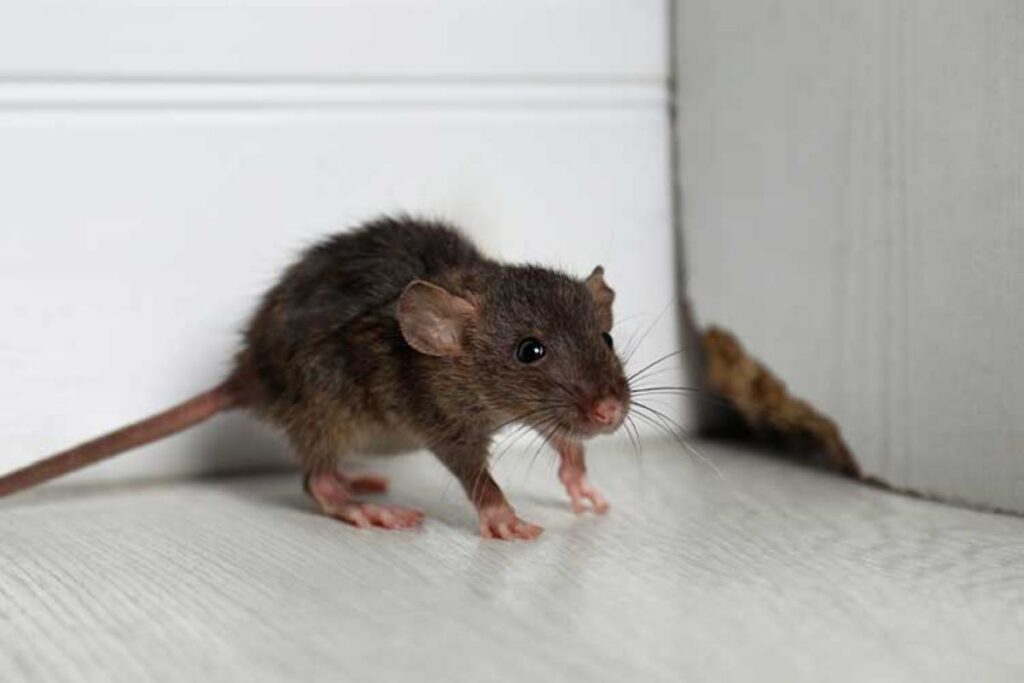
mouse removal Sydney

Mouse Removal Sydney: Top Tips to Keep Your Home Pest-Free

What are the first signs of mice in a Sydney home?

They usually notice droppings first, often along skirting boards, inside cupboards, or under sinks. Scratching in walls at night, chewed food packaging, and a musty “urine” smell are also common early clues.

They should also look for grease marks along edges where mice travel repeatedly. Shredded paper or fabric in quiet corners can signal nesting.

Why do mice keep coming back even after they’ve “gone”?

They often return in cases requiring mouse removal Sydney because entry points were never sealed, or food and water sources stayed available. Mice follow scent trails, and a single missed gap can reopen the problem.

They also breed quickly. If even a small number remain after mouse removal Sydney, the issue can appear “gone” for a week or two and then surge again.

Where do mice typically enter Sydney houses?

They commonly slip in through gaps under doors, broken vents, weep holes, and cracks around pipes. Roof spaces and garages are frequent access points, especially where weather stripping is worn.

They should assume a mouse can fit through a hole about the size of a 10-cent coin. That includes tiny gaps around NBN cables, air-con lines, and laundry plumbing.

How can they mouse-proof the home without major renovations?

They can start by sealing gaps with steel wool plus sealant, or using metal mesh for vents and weep holes. Door sweeps, draft stoppers, and repairing damaged weather seals usually make a big difference.

They should prioritise the kitchen, pantry, garage, and roof access areas first. These are the highest-traffic zones for rodents.

What cleaning and storage habits reduce mouse activity the most?

They should store all dry foods in hard, airtight containers, not packets or thin plastic tubs. Benchtops should be cleared nightly, and crumbs under appliances should be cleaned regularly.

Bins need tight lids, and pet food should not be left out overnight. Even small, consistent food sources can keep mice active in the same property.

Which outdoor changes help prevent mice indoors?

They can trim vegetation away from exterior walls and keep wood piles off the ground. Compost bins should be sealed, and fallen fruit should be removed quickly.

They should also reduce clutter in sheds and garages, because stored cardboard and fabric make easy nesting material. A tidy perimeter makes the home harder to access and less attractive.

Other Resources : Pest control in the home

Do traps or baits work better for mouse removal in Sydney?

Traps work well for quick confirmation and targeted removal, especially in smaller infestations. Baits can be effective, but they require careful placement and risk management, particularly around children, pets, and wildlife.

They should avoid random baiting without a plan. Poor bait placement can lead to bait shyness, lingering odours from inaccessible carcasses, or ongoing activity that never fully stops.

Where should they place traps for the best results?

They should place traps along walls, behind appliances, inside cupboards, and near obvious droppings. Mice rarely run through open spaces, so traps placed in the middle of a room often underperform.

They should use multiple traps at once. One or two traps rarely match the pace of an active infestation, especially in roof voids or garages.

When should they call a professional mouse removal service in Sydney?

They should call a professional if there are repeated sightings, heavy droppings, scratching in roof spaces, or signs the problem keeps returning. Professional technicians typically combine inspection, removal, and proofing guidance to stop the cycle.

They should also seek help if baiting is being considered in a complex property. A trained approach reduces risk and usually resolves the issue faster.

What should they expect from a proper mouse removal visit?

They should expect a structured inspection that identifies entry points, nesting zones, and activity trails. A good service will recommend a removal strategy, then outline proofing and hygiene actions that prevent re-entry.

They should also expect clear safety advice, especially if bait stations are used. Follow-up guidance matters because mouse control is rarely a one-step job. Learn more about how much does termite treatment Sydney cost and is it worth it?

mouse removal Sydney

How can they keep the home pest-free after mouse removal?

They can maintain a simple routine: seal new gaps quickly, keep food sealed, reduce clutter, and monitor high-risk areas like garages and pantries. A monthly check for droppings, chew marks, and new holes often catches issues early.

They should also treat mouse-proofing as ongoing maintenance, not a one-time fix. In Sydney, changing weather and building movement can reopen small access points over time.

FAQs (Frequently Asked Questions)

What are the early signs of a mouse infestation in Sydney homes?

Early signs include finding droppings along skirting boards, inside cupboards, or under sinks, hearing scratching noises in walls at night, noticing chewed food packaging, detecting a musty urine smell, observing grease marks where mice travel repeatedly, and spotting shredded paper or fabric in quiet corners indicating nesting.

Why do mice keep returning to Sydney homes even after initial removal?

Mice often return because entry points remain unsealed and food or water sources are still accessible. They follow scent trails, so even a small missed gap can allow re-entry. Additionally, their rapid breeding means a few remaining mice can cause the problem to resurge after appearing gone for a short period.

How do mice typically enter houses in Sydney?

Mice commonly enter through gaps under doors, broken vents, weep holes, cracks around pipes, roof spaces, and garages—especially where weather stripping is worn. They can squeeze through holes as small as a 10-cent coin, including tiny gaps around NBN cables, air-conditioning lines, and laundry plumbing.

What effective mouse-proofing methods can Sydney homeowners use without major renovations?

Homeowners can seal gaps with steel wool combined with sealant or use metal mesh for vents and weep holes. Installing door sweeps, draft stoppers, and repairing damaged weather seals significantly helps. Focusing on high-traffic areas like the kitchen, pantry, garage, and roof access points is essential for effective prevention.

Which cleaning and storage habits help reduce mouse activity in Sydney homes?

Storing dry foods in hard, airtight containers instead of packets or thin plastic tubs is crucial. Clearing benchtops nightly and regularly cleaning crumbs under appliances prevent attraction. Using bins with tight lids and avoiding leaving pet food out overnight also minimize food sources that sustain mice.

When should Sydney residents seek professional mouse removal services?

Professional help is recommended if there are repeated sightings, heavy droppings, scratching noises in roof spaces, or persistent recurring problems. Professionals provide thorough inspections, removal strategies, proofing guidance to stop re-entry cycles, and safe baiting practices especially important in complex properties with children or pets.

termite pest control Sydney

Keep Termites Out with Proven Termite Pest Control Sydney, Revisited

Termites are a quiet problem that can become an expensive one, particularly in Sydney where warm, humid conditions support year-round activity. This revisited guide explains how households and property managers can reduce risk, spot early signs, and choose a practical plan that fits Australian conditions.

Staying ahead usually comes down to two things: removing what attracts termites and using a consistent inspection and treatment schedule. When they act early, owners often avoid major structural repairs and long periods of disruption.

Why is Sydney a high-risk area for termites?

Sydney is high risk because termites thrive in moist soils, mild winters, and leafy suburbs where timber and garden beds are common. Many homes also have subfloor voids, older timber features, and fencing that can create easy entry points.

These conditions mean termites can stay active across most months. That is why termite pest control Sydney is less about a one-off treatment and more about an ongoing prevention system.

What are the earliest signs they might have termites?

They might notice mud leads on brickwork, tight doors, bubbling paint, or soft, hollow-sounding timber. Some owners only find discarded wings near windows or skirting boards after a termite flight.

Because termites can feed from the inside out, visible damage can appear late. A routine inspection remains the simplest way to confirm whether the signs are termites or another moisture or timber issue.

How do termites usually get into Australian homes?

They usually enter through concealed routes such as slab penetrations, expansion joints, weep holes, or subfloor access points. Timber stored against the house, garden beds covering weep holes, and damp areas under bathrooms also raise the odds.

Even small gaps can be enough. That is why good termite pest control Sydney often starts with access and moisture checks before any treatment is applied.

What should they do immediately if they suspect termites?

They should avoid disturbing the area, spraying household insecticide, or pulling timber apart. Termites can retreat and spread, making them harder to track during professional assessment.

They should arrange a licensed inspection as soon as possible and note where the activity was seen. Fast action improves the chances of targeted treatment and reduces the risk of hidden damage growing.

How does a professional termite inspection work in Sydney?

A professional inspection typically includes a methodical check of the roof void, subfloor, internal walls, and exterior perimeter. The inspector looks for moisture issues, timber-to-ground contact, and evidence like mud tubes or damaged timbers.

Many also use moisture meters and sounding tools, and may recommend further investigation if a high-risk zone cannot be accessed. A clear report helps owners prioritise fixes and plan termite pest control Sydney that suits the property.

Which treatment options are most effective for Sydney properties?

The most effective options depend on the building type, infestation level, and access. Common solutions include baiting systems, liquid termiticides, and physical or chemical barriers for prevention.

A good provider explains why a certain method suits the site rather than offering a single default option. In many cases, long-term protection combines treatment with repairs to moisture and landscaping issues as part of termite pest control Sydney.

How do termite baiting systems actually stop a colony?

Baiting works by placing monitoring stations where termites are likely to travel, then using a slow-acting bait once activity is confirmed. Termites share the bait throughout the colony, which can reduce numbers over time.

Baiting can be useful when they want minimal disturbance and where liquid application is difficult. It still requires regular reviews because the system relies on maintenance as much as the initial setup in termite pest control Sydney.

When is a chemical barrier the better choice?

A chemical barrier can be the better choice when they need immediate protection around a structure, especially if active termites are present and access is straightforward. Liquid termiticides are applied to soil zones to create a treated area termites cannot cross safely.

Barriers can also be installed during renovations or new builds for strong prevention. A provider should explain the product used, the treated zones, and any limits, as part of transparent termite pest control Sydney.

How can they reduce termite risk without chemicals?

They can reduce risk by fixing leaks, improving drainage, and keeping subfloor areas ventilated and dry. Timber should not touch soil, and stored firewood should be kept away from the home and raised off the ground.

Garden beds should be kept below weep holes, and mulch should be used carefully near walls. These changes will not replace professional termite pest control Sydney, but they can significantly lower the odds of an attack.

What maintenance habits keep protection working year after year?

They should treat termite prevention like routine home maintenance, similar to gutter cleaning or servicing a hot water system. Annual inspections are widely recommended in many Sydney suburbs, with more frequent checks for high-risk sites.

They should also keep records of inspections, treatments, and any building changes like decking or landscaping. Consistency helps ensure termite pest control Sydney remains effective as the property and surrounding conditions change.

How do they choose a trustworthy termite specialist in Sydney?

They should look for a licensed technician who provides a detailed inspection report, clear pricing, and a plan that matches the building and risk profile. A good provider explains options, limitations, and follow-up requirements in plain language.

They should also confirm warranty terms and what is required to keep them valid, such as inspection frequency. Choosing the right team matters because termite pest control Sydney is typically an ongoing relationship, not a one-off visit.

termite pest control Sydney

How much does termite protection usually cost in Sydney?

Costs vary based on property size, construction type, access, and whether there is an active infestation. Inspections are usually a smaller cost compared to treatment and repairs, which is why prevention often saves money over time.

They should compare quotes based on what is included, such as station numbers for baiting, treated zones for barriers, and follow-up visits. Value in termite pest control Sydney is about coverage and clarity, not just the lowest price.

Why do some termite problems come back after treatment?

Problems can return when moisture sources remain, landscaping changes create new entry points, or follow-up schedules are missed. Termites are persistent, and untreated areas can become new pathways over time.

That is why providers often recommend integrated management: treatment plus risk reduction and regular inspections. A durable outcome usually comes from maintaining termite pest control Sydney rather than treating it as a set-and-forget service.

What does a practical prevention plan look like for Sydney homes?

A practical plan usually starts with an inspection, then addresses moisture and access issues, and finally applies the right protection method for the site. After that, it continues with a review schedule that suits the risk level and local conditions.

For many households, the simplest plan is annual inspections plus either a maintained baiting system or a barrier where appropriate. Done well, termite pest control Sydney becomes a routine that helps protect the structure, the budget, and their peace of mind.

Conclusion: what is the simplest way to keep termites out?

The simplest way is early detection plus consistent prevention. When they combine regular inspections, sensible property maintenance, and a tailored treatment approach, they greatly reduce the chance of costly damage.

In Sydney conditions, the most reliable results come from treating termite protection as ongoing. With the right plan, termite pest control Sydney can keep termites out for the long term.

Related : The Cost of a Termite Inspection in the Blue Mountains Explained

FAQs (Frequently Asked Questions)

Why is Sydney considered a high-risk area for termite infestations?

Sydney’s warm, humid climate with moist soils and mild winters creates ideal conditions for termites to remain active year-round. Leafy suburbs with timber and garden beds, along with features like subfloor voids and older timber structures, provide easy entry points, making termite pest control in Sydney a continuous necessity rather than a one-off treatment.

What are the earliest signs that indicate a termite problem in a home?

Early signs of termites include mud leads on brickwork, tight or sticking doors, bubbling paint, soft or hollow-sounding timber, and discarded wings near windows or skirting boards following termite flights. Since termites can cause internal damage before visible signs appear, regular professional inspections are essential to confirm their presence.

How do termites typically enter Australian homes, especially in Sydney?

Termites usually gain entry through concealed routes such as slab penetrations, expansion joints, weep holes, and subfloor access points. Factors like timber stored against the house, garden beds covering weep holes, and damp areas under bathrooms increase the risk. Therefore, thorough access and moisture checks are critical components of effective termite pest control in Sydney.

What immediate steps should homeowners take if they suspect a termite infestation?

Homeowners should avoid disturbing the suspected area by refraining from spraying insecticides or pulling apart timber as this may cause termites to retreat and spread. Instead, they should promptly arrange a licensed professional inspection and note the location of any activity to enable targeted treatment and minimise hidden damage.

What does a professional termite inspection involve in Sydney properties?

A professional inspection includes a detailed examination of roof voids, subfloors, internal walls, and exterior perimeters. Inspectors look for moisture problems, timber-to-ground contact, mud tubes, and damaged timbers using tools like moisture meters and sounding devices. They provide clear reports to help prioritise repairs and tailor termite pest control strategies suitable for the property.

Which termite treatment options are most effective for homes in Sydney?

Effective treatments depend on building type and infestation severity but commonly include baiting systems that distribute slow-acting toxins throughout colonies, liquid termiticides creating chemical barriers around structures, and physical or chemical prevention barriers installed during renovations or new builds. Successful termite pest control in Sydney often combines these treatments with moisture management and landscaping adjustments for long-term protection.